religion

What Makes an Inscribed Talisman So Powerful in Islamic Tradition?

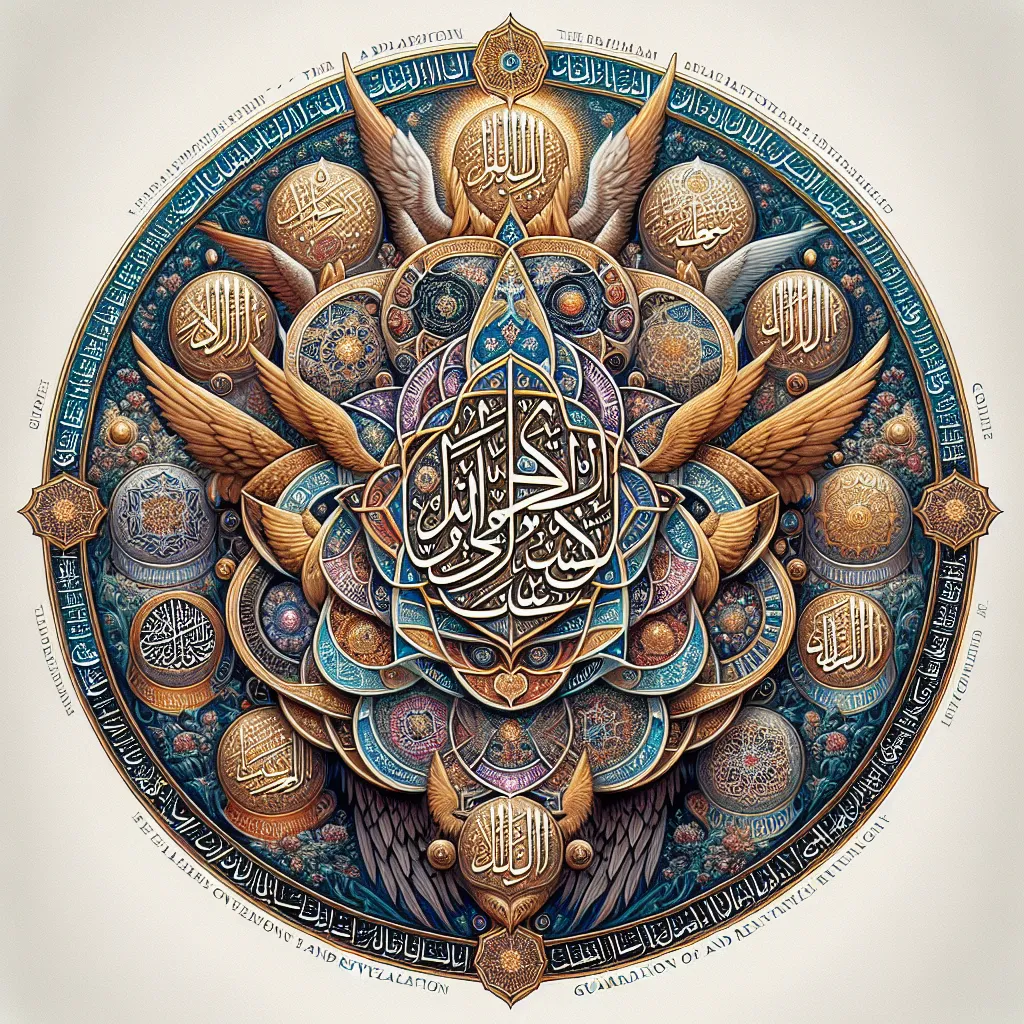
Cosmic Words: Sacred Writing Transformed into Powerful Islamic Talismans
What Makes an Inscribed Talisman So Powerful in Islamic Tradition?

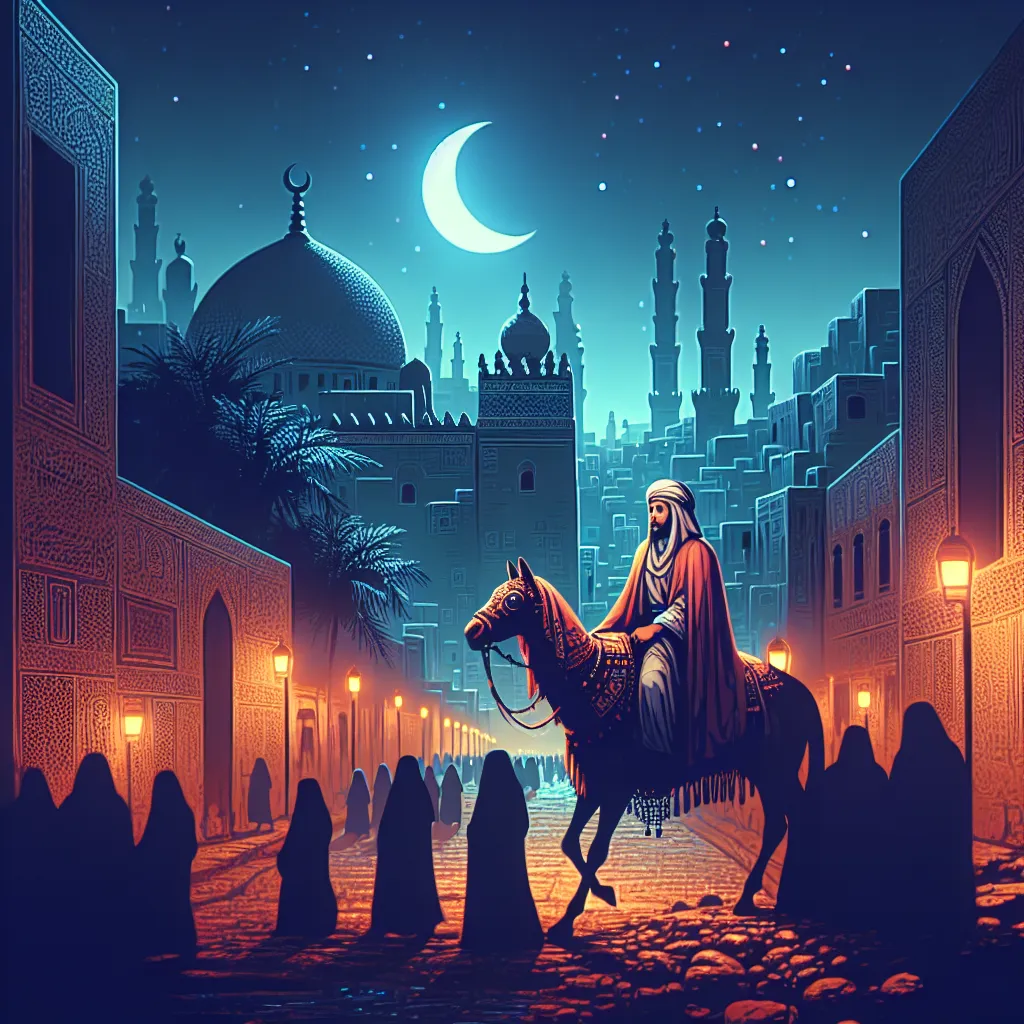
Turning an object into a talisman in Islamic tradition often involves inscribing it with sacred names. The primary name used is “Allah,” but other divine names like “the Merciful” or “the One” are also common. If not God’s names, people might choose the names of angels like Jibreel or Mikail. Names of prophets such as Muhammad, Moses, or Solomon are also popular.

For many Shiites, the names of imams, the spiritual successors to Prophet Muhammad, are significant. Another widespread practice is writing the Shahada, the Muslim declaration of faith, which states, “There is no God but God.”

Direct verses from the Quran, especially those believed to hold special power like the Ayat al-Kursi, or the Throne Verse, are frequently used. Essentially, talismans in this context involve a lot of sacred writing, each inscribed word thought to bring spiritual protection and blessings.


Similar Posts
Blog Image
What Secrets Does the Unconventional Gospel of Philip Hold?

The Gospel of Philip: A Hidden Gem Unveiling Early Christian Diversity

Blog Image
Did You Know Sufi Poetry Comes Alive in Turkish Through Yunus Emre?

Yunus Emre: A Timeless Voice Bridging Hearts Through Divine Poetry

Blog Image
Yoruba Spirituality: A Timeless Journey Across Continents and Cultures

Yoruba Spiritual Tapestry Weaves Across Continents, Balancing the Physical and Divine with Joyful Resilience and Universal Harmony.

Blog Image
Why Do Religions See Evil So Differently?

Unraveling the Spiritual Tapestry: Diverse Religious Perspectives on Evil and Suffering

Blog Image
Could a 12th-Century Island Hermit Teach Us About Modern Enlightenment?

Unearthing an Ancient Blueprint for Modern Enlightenment

Blog Image
Why Do Catholics and Protestants See Faith So Differently?

A Colorful Exploration of Christianity's Twin Giants: Catholicism and Protestantism