religion

What Makes an Inscribed Talisman So Powerful in Islamic Tradition?

Cosmic Words: Sacred Writing Transformed into Powerful Islamic Talismans

What Makes an Inscribed Talisman So Powerful in Islamic Tradition?

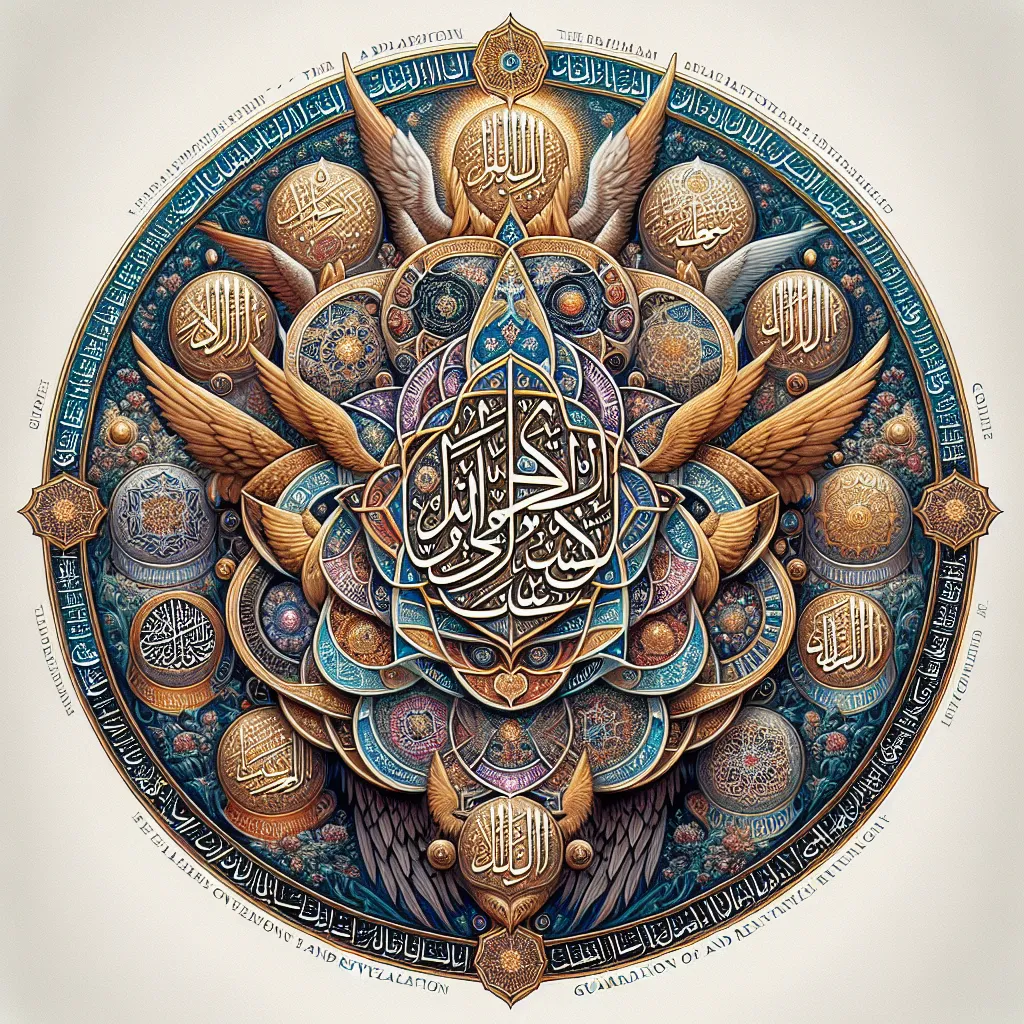
Turning an object into a talisman in Islamic tradition often involves inscribing it with sacred names. The primary name used is “Allah,” but other divine names like “the Merciful” or “the One” are also common. If not God’s names, people might choose the names of angels like Jibreel or Mikail. Names of prophets such as Muhammad, Moses, or Solomon are also popular.

For many Shiites, the names of imams, the spiritual successors to Prophet Muhammad, are significant. Another widespread practice is writing the Shahada, the Muslim declaration of faith, which states, “There is no God but God.”

Direct verses from the Quran, especially those believed to hold special power like the Ayat al-Kursi, or the Throne Verse, are frequently used. Essentially, talismans in this context involve a lot of sacred writing, each inscribed word thought to bring spiritual protection and blessings.



Similar Posts
Blog Image
Sacred Texts in Literature: 5 Ancient Scriptures that Shaped World Writing

Explore the profound impact of sacred texts on world literature. Discover how the Bible, Quran, Bhagavad Gita, Tao Te Ching, and Torah have shaped literary works across cultures and generations. Learn more.

Blog Image
What Makes Hindu Worship a Sensory Wonderland?

A Living Tapestry of Faith That Colors Every Moment

Blog Image
What If We Can't Really Know If God Exists?

Agnosticism: Embracing the Beauty of Uncertainty in an Overconfident World

Blog Image
How Sacred Music From 7 Global Traditions Transforms Communities and Consciousness

Discover how sacred music from 7 traditions—Gregorian chant, mantras, Quranic recitation, gospel, and more—transforms communities and consciousness through sound's spiritual power.

Blog Image
Jain Ritual of Sallekhana: Ancient Spiritual Fast Challenges Modern Views on Death

Sallekhana, a Jain practice of fasting unto death, is a spiritual journey for achieving liberation. It involves gradual food reduction, intense reflection, and community support. Unlike suicide, it's a voluntary choice for spiritual purification. This ancient tradition raises questions about religious freedom, personal autonomy, and end-of-life choices in modern society.

Blog Image
How Religious Education Models Transform Learning: Ancient Wisdom for Modern Teachers

Discover 6 religious education methods that transform learning from information transfer to personal formation. Explore oral traditions, sacred texts, communal wisdom, and holistic approaches that shape both character and intellect across faiths and cultures.