What If Karma Is Actually Shaping Your Destiny?
The Universe’s Ripple Effect: Shaping Destiny Through Karma and Dharma

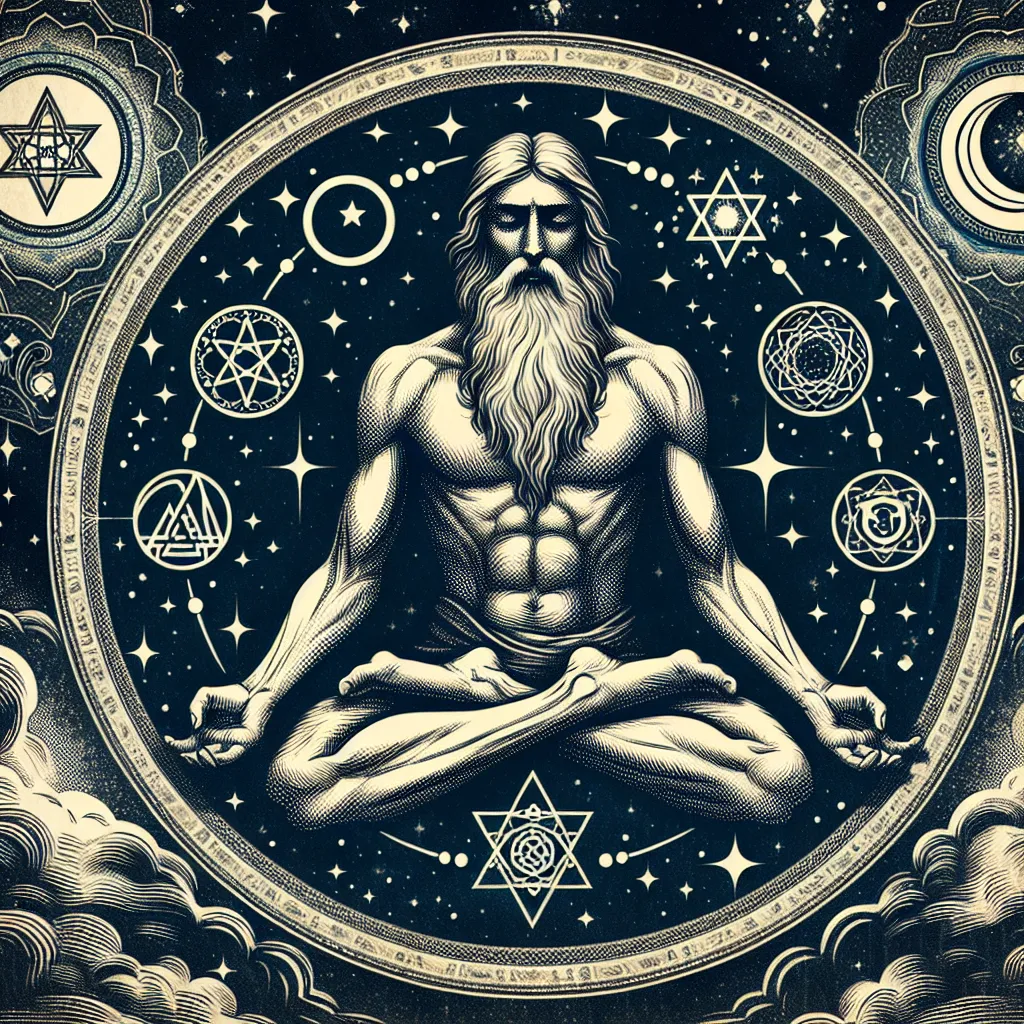
Karma’s a core idea in Hinduism that walks hand-in-hand with the law of cause and effect. It boils down to this: what you do, think, and intend sends ripples through your life, shaping your destiny. Essentially, it’s the whole “what goes around comes around” vibe.
Karma’s not just about ticking off good or bad deeds. The intentions behind what you do matter. Acting with a clean heart and pure intentions fuels positive karma. This way of thinking pushes you towards compassion, altruism, and sticking to dharma, which is basically your righteous duty. Dharma helps keep your actions in sync with the universe, ensuring that your good vibes come full circle.
There are three flavors of karma: prarabdha, sanchita, and kriyamana (or agami). Prarabdha is what you’re dealing with in your current life, drawn from the big karma pile called sanchita. Agami is the karma you’re creating with your current actions. Grasping these types of karma helps you steer through your spiritual path with a bit more clarity.
Karma’s deeply tied to the reincarnation cycle—birth, death, and rebirth. Good karma can lead to sweeter lives in the future, moving your soul closer to moksha, which is liberation from this cycle. On the flip side, bad karma can throw you into tougher reincarnations, giving you more opportunities for growth and learning until you finally break free and reach moksha.
In Hinduism, God (Isvara) often steps in to ensure karma is handed out fairly, based on the moral intentions behind actions. God isn’t seen as some wrathful being but rather a benevolent force that runs the universe with a guiding touch.
Karma’s not just a spiritual thing; it shapes everyday life and the choices you make. It nudges you to live mindfully, considering how your actions will ripple out. This awareness helps build a culture of ethical behavior, compassion, and a sense of responsibility towards yourself and your community.
One cool part about karma is the idea that it can be changed through conscience-driven efforts. By embracing positive actions and intentions, you can offset past negative karma. This gives you hope and motivation to keep pushing for personal and spiritual betterment.
A big misconception about karma is thinking it’s the same as fate. Karma’s not about having a pre-written destiny but about personal agency. Your past karma does have a hand in shaping your life, but your current actions and mindset can change your future.
In your everyday life, karma is like a moral compass, encouraging you to act with kindness and integrity. Knowing your actions have consequences fosters a sense of responsibility, guiding you towards a more fulfilling, enlightened life.
Bad karma, from harmful actions or intentions, can lead to tough times. But Hinduism gives you ways to redeem and transform that energy. Learning from mistakes, evolving spiritually, and making continuous improvements are all part of the journey.
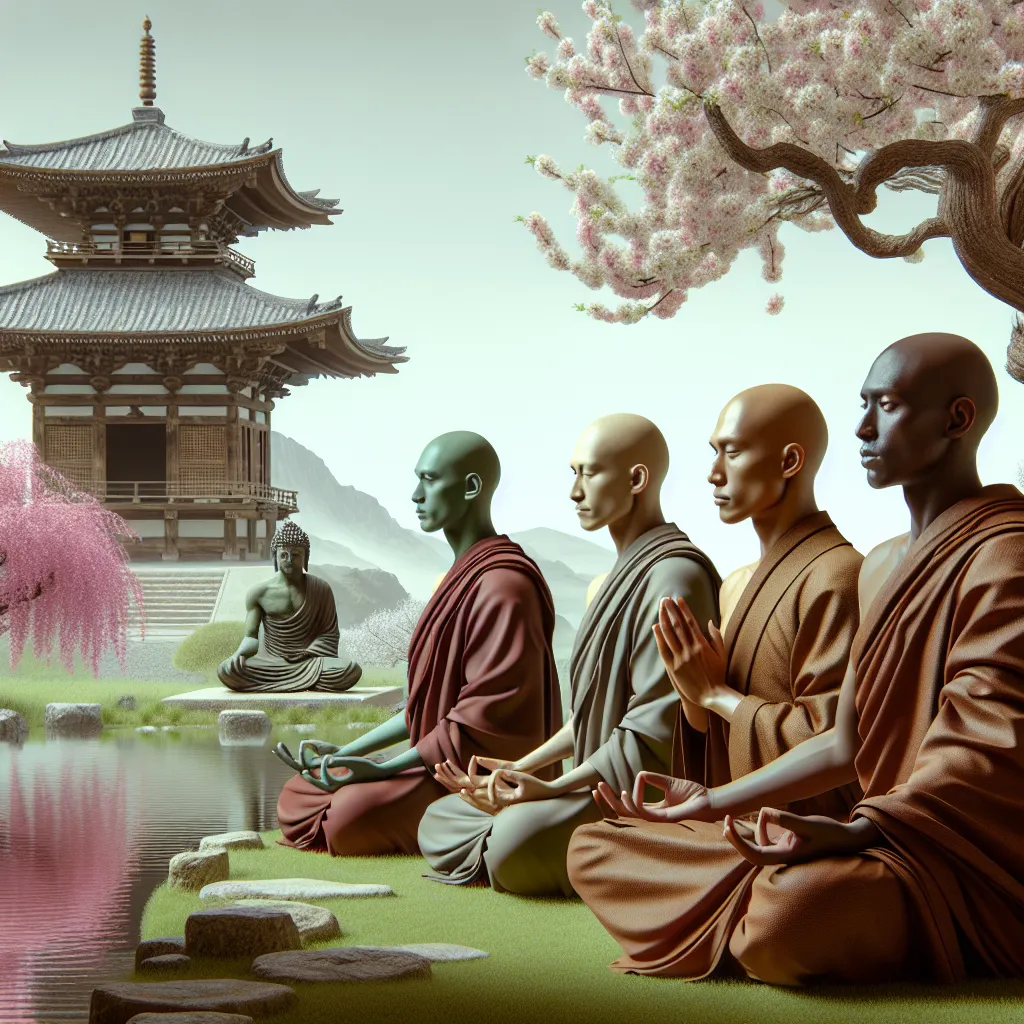
Karma isn’t just a Hindu thing; it also shows up in Buddhism and Jainism, each adding its twist. But at its core, karma’s the idea that your actions mold your future lives.
To break free from karma, live a life of dharma, engage in selfless service (seva), and dive into spiritual practices. These efforts help you detach and enlighten, paving the way to moksha—the ultimate goal.
Karma in Hinduism is a guiding principle for ethical living, spiritual growth, and personal transformation. It emphasizes the power of mindful living, moral intentions, and constant progress, offering a path to liberation and enlightenment.