What Can We Learn About Life from Zu's Imaginary Transformations?
Embracing Transformation: Friends Find Wisdom in Life, Aging, and Death's Dance
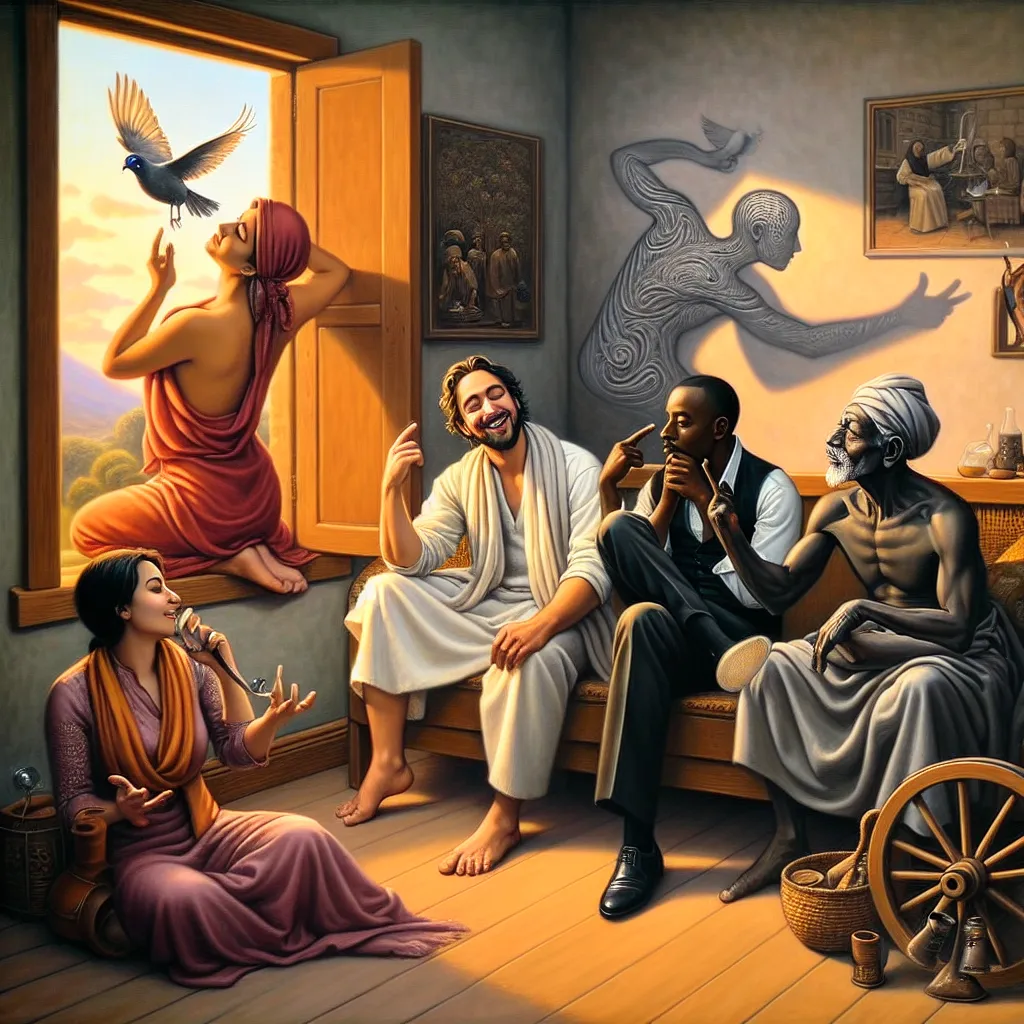
The four friends were in deep conversation when one suddenly mused about the mysteries of life and death. They laughed together, feeling a sense of deep unity, and became good friends. But fate had plans, and Zu fell ill. As his friend Zg visited, he saw Zu in a twisted state—his body contorted in unimaginable ways. Yet, Zu’s mind was serene. He marveled at the Creator’s work, despite his bewildering condition.
Zu joked about potential transformations: maybe his arm would become a rooster to herald the dawn, or a crossbow pellet to hunt. He even imagined his backside turned into wheels, thinking he’d no longer need another vehicle. His thoughts were clear—life’s transformations are just part of the natural order. Joy and sorrow are mere ripples on the surface.
Another friend, Zelay, also fell ill. His family’s tears filled the room as they feared losing him. But Ziller, another friend, saw beyond the physical suffering. He saw the illness as part of a grand transformation. Lying by the windowsill, Ziller shared his thoughts on creation’s mysterious ways. He compared human life to metal being forged by a master smith—who are we to insist on our final form?
Zelay, understanding this, viewed life and death with equal reverence. The forces of nature, more powerful than any parent, guide every step. Resisting these forces would be futile. Embracing them, he realized, is the way to true peace. Life, aging, and death are all gifts from the Creator. What’s the point of resisting such profound wisdom?
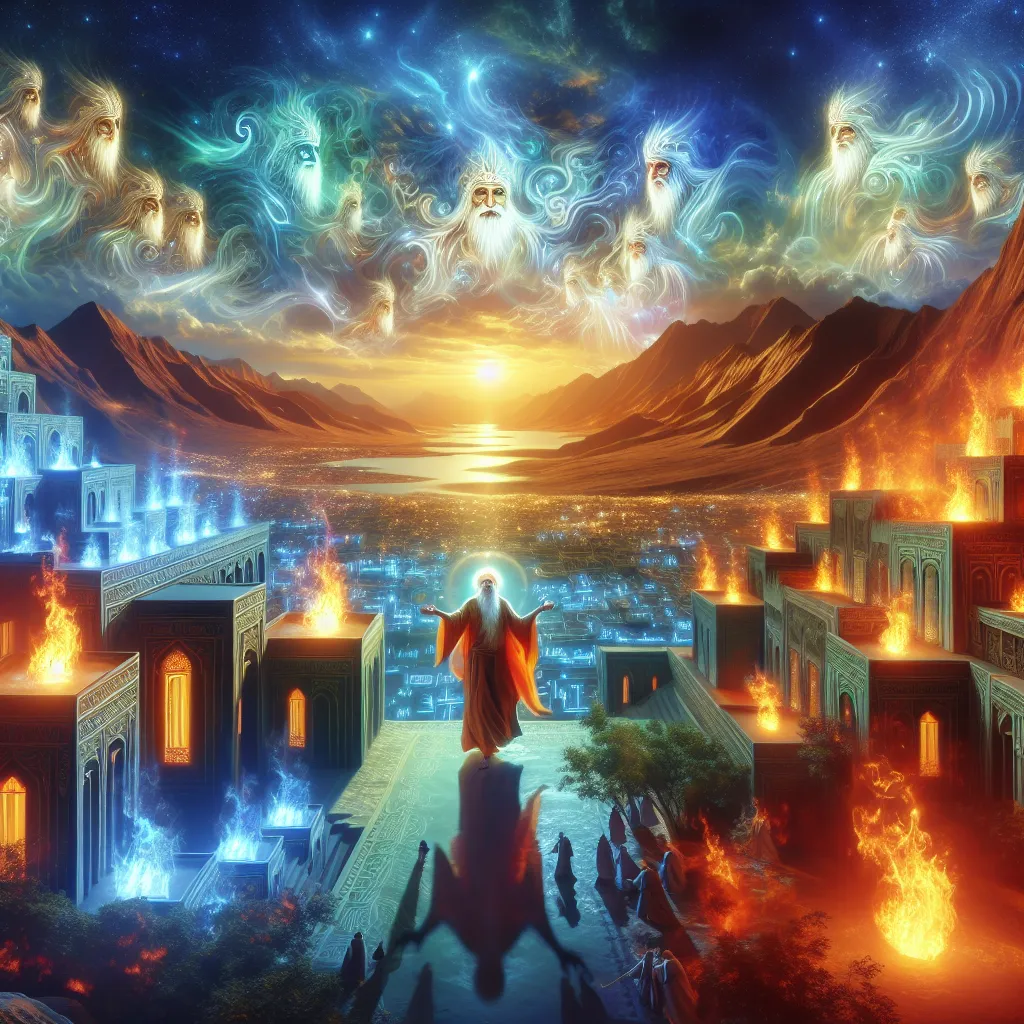
In the end, Zelay saw the universe as a grand furnace and creation as a skillful blacksmith. Wherever life’s journey would take him, he accepted it with an open heart. And so, he drifted off to sleep, at peace with the world’s ever-changing nature.