religion

Is This the Most Mesmerizing Mystical Poem Ever Written?

Embark on a Soulful Journey through the Longest Mystical Arabic Poem Alive with Divine Presence

Is This the Most Mesmerizing Mystical Poem Ever Written?

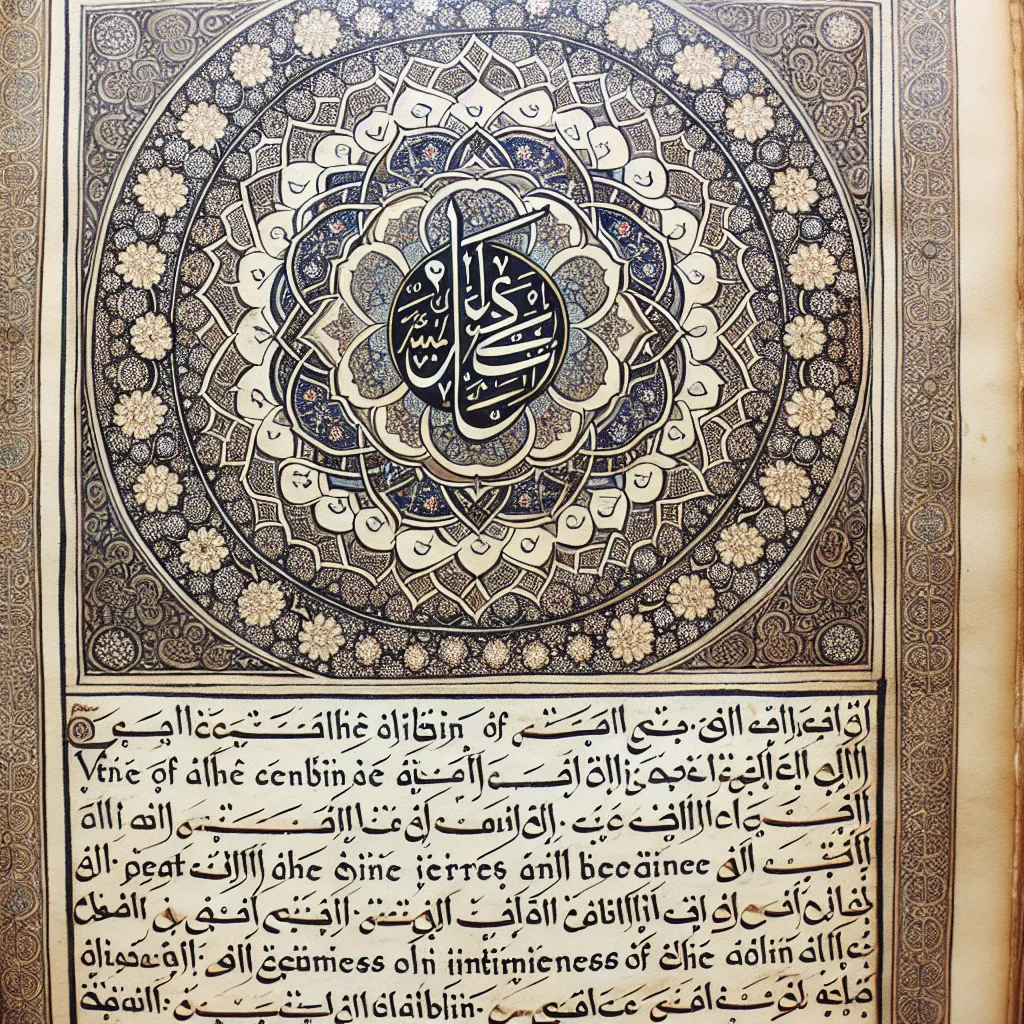
One of the most awe-inspiring accomplishments in the realm of mystical poetry is surely the poem “Ataya El Kubra,” also known as “The Great Ode” or “Nasma Suluk,” which roughly translates to “The Poem of the Sufi Way.” This masterpiece, written with an impeccable rhyme scheme centered on the letter “T,” stands as the longest mystical poem in the Arabic language, boasting an impressive 761 verses.

But it’s not just the poem’s length that makes it notable. “Ataya El Kubra” is celebrated for being one of the most profound articulations of the mystical journey and the experience of divine Oneness ever written.

In the first section of this incredible piece, the poet embarks on a quest for union with the ultimate Beloved, which is none other than God. This desire for unity and oneness is a recurring theme that is explored in various ways throughout the poem.

As the verses unfold, the poet describes a state of complete annihilation, where he becomes entirely absorbed and intoxicated by the divine presence. In this elevated spiritual state, there is no sense of individuality or multiplicity—only the overwhelming reality of God remains.


Similar Posts
Blog Image
Ancient Flame Reveals Secrets: 1500-Year-Old Fire Temple Keeps Faith Alive

Zoroastrian Fire Temples house sacred flames burning for over 1,500 years. These temples symbolize purity, truth, and divine light in one of the world's oldest monotheistic religions. The eternal flame represents God's presence and is central to Zoroastrian rituals. Despite challenges, these temples continue to preserve cultural heritage and spiritual traditions.

Blog Image
Has Religion Shaped Who You Are More Than You Think?

Religion: The Invisible Hand Shaping Our Identity, Values, and Worldview

Blog Image
Why Do People Still Choose Atheism in a World of Believers?

Ancient Doubts to Modern Reason: The Ever-Evolving Path of Atheism

Blog Image
How Sacred Laughter Transforms Religious Traditions: 5 Ways Humor Shapes Spiritual Communities

Discover how humor shapes religious traditions through wisdom, community building, and spiritual growth. Explore 5 transformative ways laughter serves sacred purposes across faiths worldwide.

Blog Image
Which Type of Buddhism Speaks to Your Spirit?

Exploring Buddhism: A Journey Through Ancient Paths, Mystical Practices, and Modern Meditations

Blog Image
Can Nature Reveal the Secrets of the Divine?

Nature and Divinity Unite in the Mystical Teachings of Ibn Barajan