Sufism is a fascinating yet complex topic. Different people have varying perspectives on it, making it hard to pin down. The portrayal of Sufism is often shaped by who’s talking about it and their viewpoint. In his recent book, Alexander Knysh highlights how Sufism has been shown in numerous ways over the last century, especially focusing on its metaphysical aspects while often ignoring its lived practices.
Sufism’s relationship with Islam is another area with mixed views. It’s often labeled Islamic mysticism, but sometimes people see it as somewhat separate from Islam. When you walk into a bookshop, you might find Sufism categorized distinctly from Islam, suggesting a perceived difference between the two.
So, is Sufism part of Islam? Historically, yes. Sufism is a significant part of Islamic practice. Although today there are arguments claiming Sufism is separate from Islam, these come from various directions, including new religious movements and even groups within Islam that view it with suspicion or hostility, like the Salafis or Wahhabis.
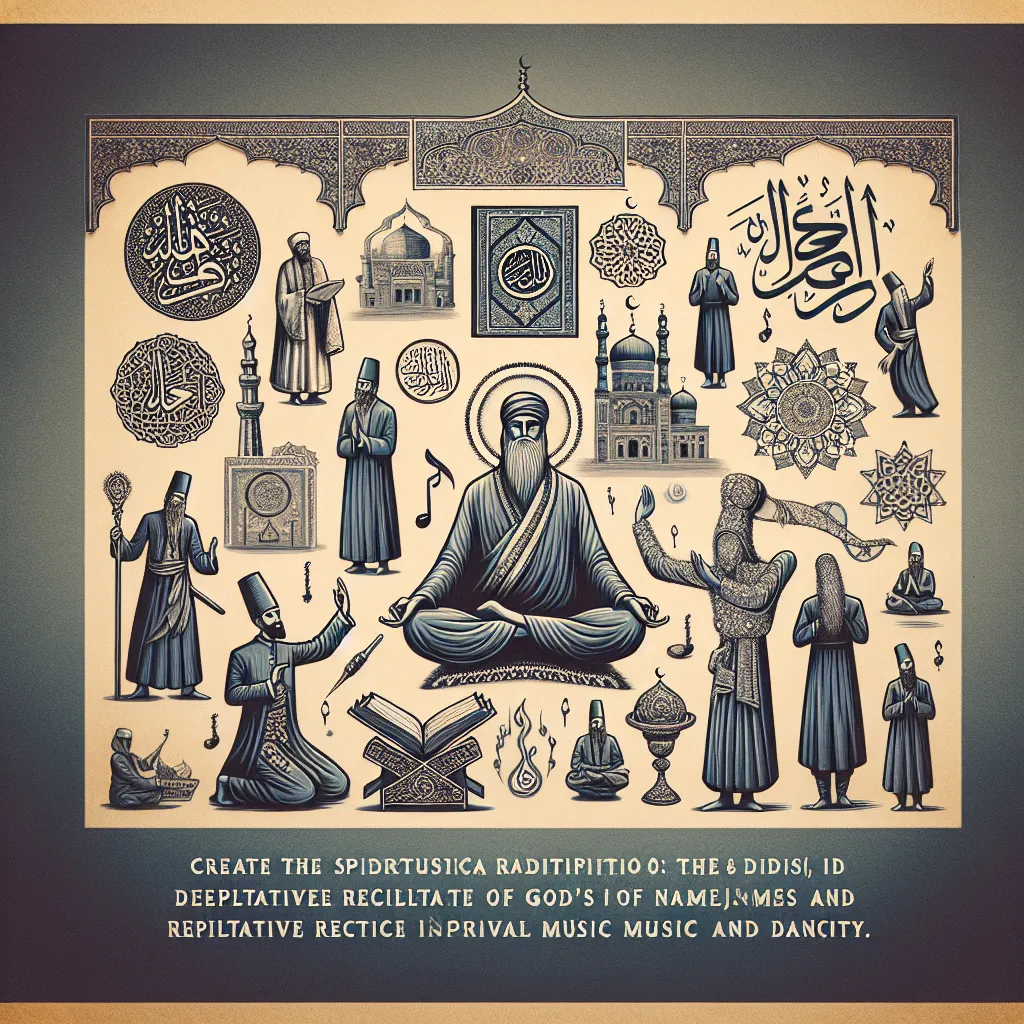
The history of Sufism tells us that it emerged in the 8th century within the Islamic empire. Early figures like Al-Muhasibi and Rabi’a al-Adawiya practiced asceticism and deepened their relationship with God, grounding their practices in Islamic teachings like the Quran and Hadith. They believed their way was simply a purer form of living as a Muslim. Indeed, practices like the repetitive recital of God’s names (Dhikr) and Sama (spiritual audition with music and dance) were part of their lives.
Interestingly, some argue Sufism predates Islam, influenced by Christian monasticism and other traditions. Early Sufis were influenced by various religious traditions they encountered, but fundamentally, they saw themselves as devout Muslims.
Modern portrayals, however, are different. Many now argue that Sufism is distinct from Islam. This could be partly influenced by colonialism, which brought modernist ideologies to the Middle East. Muslim reformists in the 19th and 20th centuries viewed Sufism as irrational superstition. Meanwhile, Western scholars couldn’t reconcile Sufi beauty with their biases against Islam, often portraying Sufism as separated from it.
In the 20th century, Sufi figures like Inayat Khan adapted their teachings to attract non-Muslims, promoting a more universal spirituality. This trend fit into a wider movement seeking to find common ground among all religions, further blurring the lines between Sufism and Islam.
Today, Sufism varies widely. In the Muslim world, it remains largely integrated with Islamic practice. But in the West, it has evolved into different forms—sometimes deeply rooted in Islam, sometimes more universal.
Conclusively, Sufism is and has been a dynamic part of Islamic spirituality, though its exact relationship with Islam can vary depending on who you ask and which historical or cultural lens you look through. As always, this subject invites ongoing conversation and deeper exploration.