Does St. Lucy's Day Hold a Candle to Tradition or Just Bring Light to Winter's Gloom?
Light in the Darkness: The Timeless Joy of St. Lucy's Day

One of Sweden’s most unique celebrations is St. Lucy’s Day, or “Lucia,” observed annually on December 13. This holiday is incredibly popular, with schools organizing musical performances where folks sing specific songs and enjoy pastries together. Oddly enough, most people don’t really know—or perhaps don’t care—about the holiday’s deep Catholic roots. The story and symbolism behind St. Lucy’s Day seem somewhat lost in modern festivities.
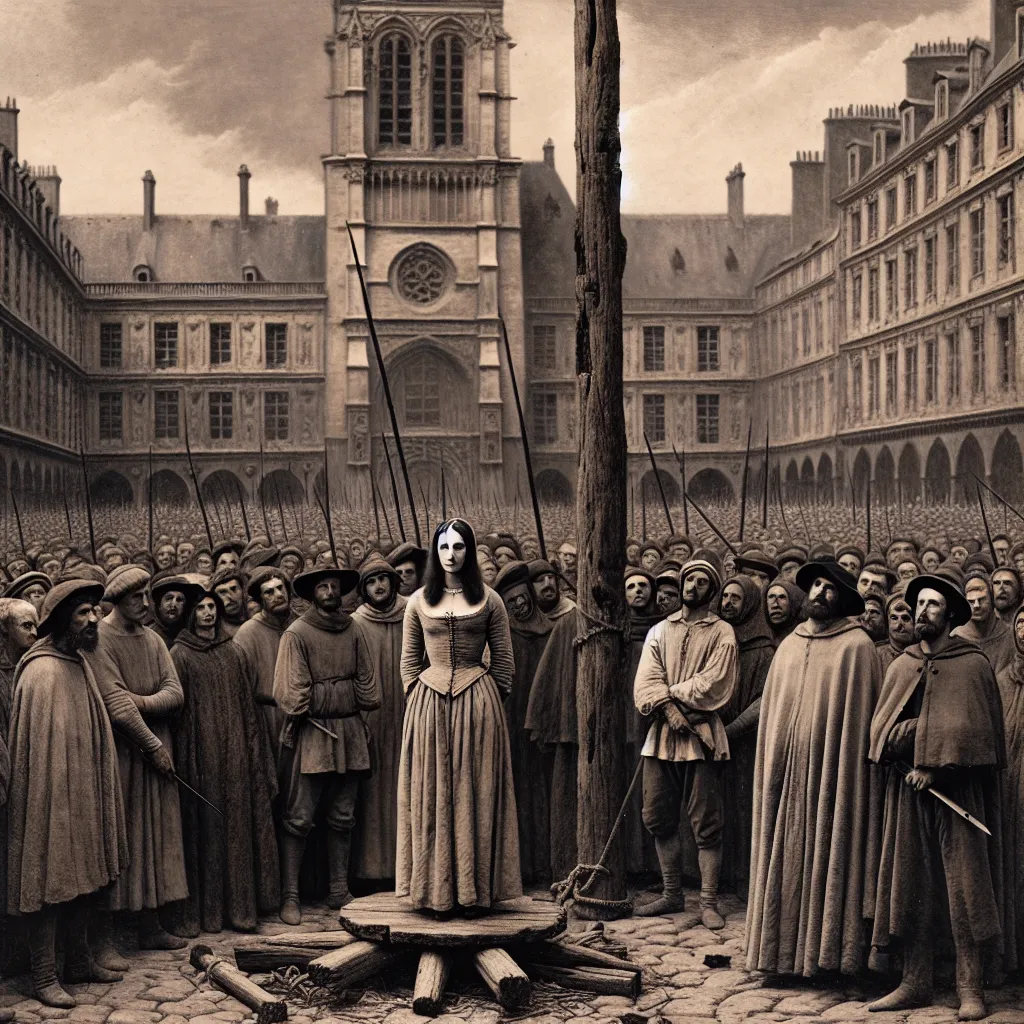
So, what’s the story of St. Lucy? She was a Christian saint from the 3rd to 4th centuries in Syracuse, Sicily. Lucy was from a wealthy family but committed herself to God at a young age. When her mother tried to arrange a marriage for her, Lucy refused. After some divine signs, her mother agreed to give away their dowry to the poor, as Lucy had wished. A notable tale from her life says Lucy would bring food to Christians hiding from persecution in the catacombs, lighting her way with a candle-lit wreath on her head. Unfortunately, her acts of kindness led to her arrest, torture, and eventual martyrdom.
As Christianity spread northward, St. Lucy’s Day became popular in Scandinavia despite the region becoming predominantly Protestant after the Reformation. The traditions of this holiday persisted, perhaps due in part to its associations with light during the dark northern winters. Interestingly, before adopting the Gregorian calendar, December 13 was considered the winter solstice in the Julian calendar, marking the year’s shortest and darkest day. This naturally connected celebrations of light with the holiday.
There’s also a theory suggesting that pre-Christian Scandinavians worshiped a female deity of light during their winter solstice celebrations, resonating with St. Lucy’s tale of bringing light into darkness. This blending of pagan and Christian traditions, known as syncretism, likely contributed to the lasting popularity of Lucia.
Every December 13, Swedes enjoy Lucia processions in schools, opera houses, or on television. A woman, symbolizing Lucia, leads the procession wearing a wreath of candles while others follow, dressed often as gingerbread men or Santa Claus, all carrying candles. They sing songs dedicated to this holiday, building a sense of unity and joy.
Despite its origins, St. Lucy’s Day isn’t primarily celebrated for its religious significance anymore. For many, it’s more about combating the winter gloom and fostering togetherness. The tradition of bringing light into the darkness holds a deep resonance during the Scandinavian winter months.
Whether attending an elaborate performance or a simple school procession, the beauty and community spirit of St. Lucy’s Day are palpable. Though modern participants might not ponder its origins deeply, the day serves as a powerful symbol of light, hope, and community in the dark winter.
In the end, the reasons for celebrating Lucia might be complex and varied, but the joy it brings is simple and universal. It’s a tradition that, regardless of its roots, continues to bring warmth and unity to those who partake in it.