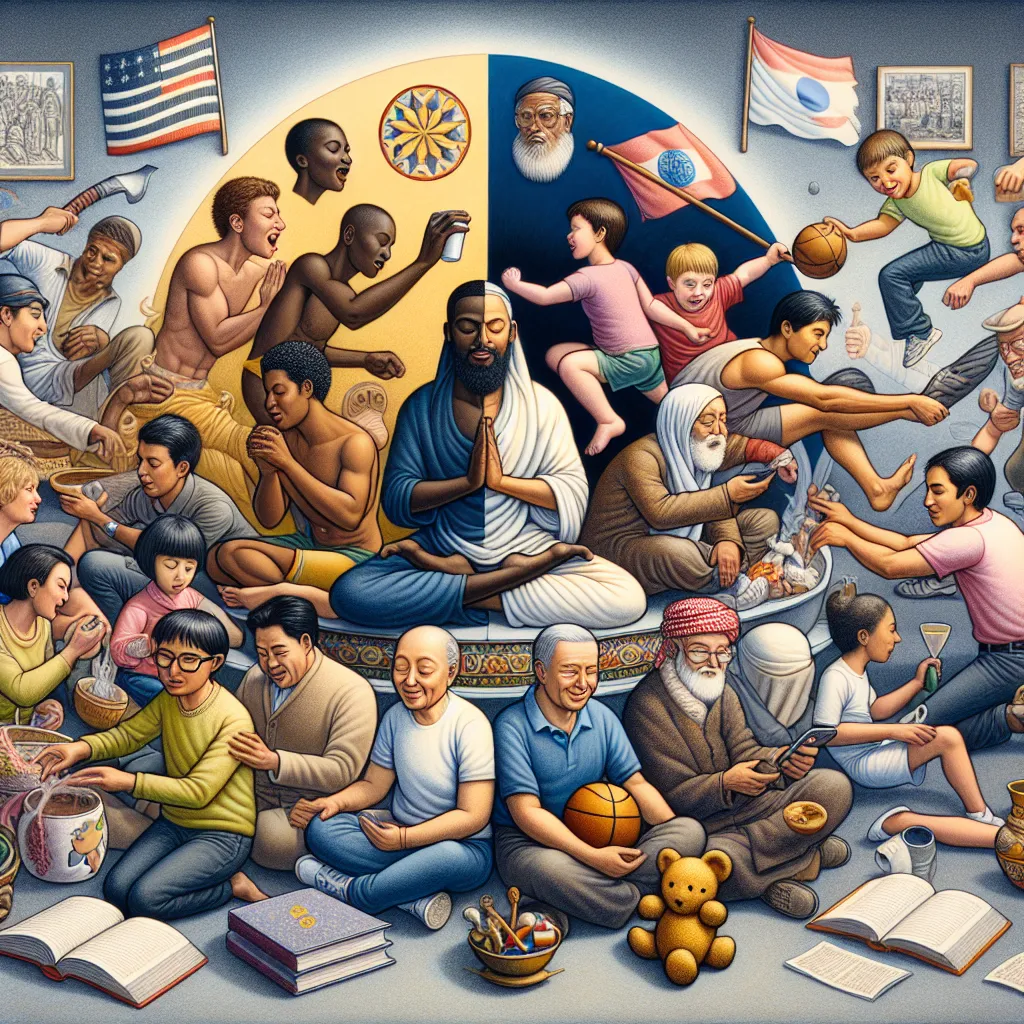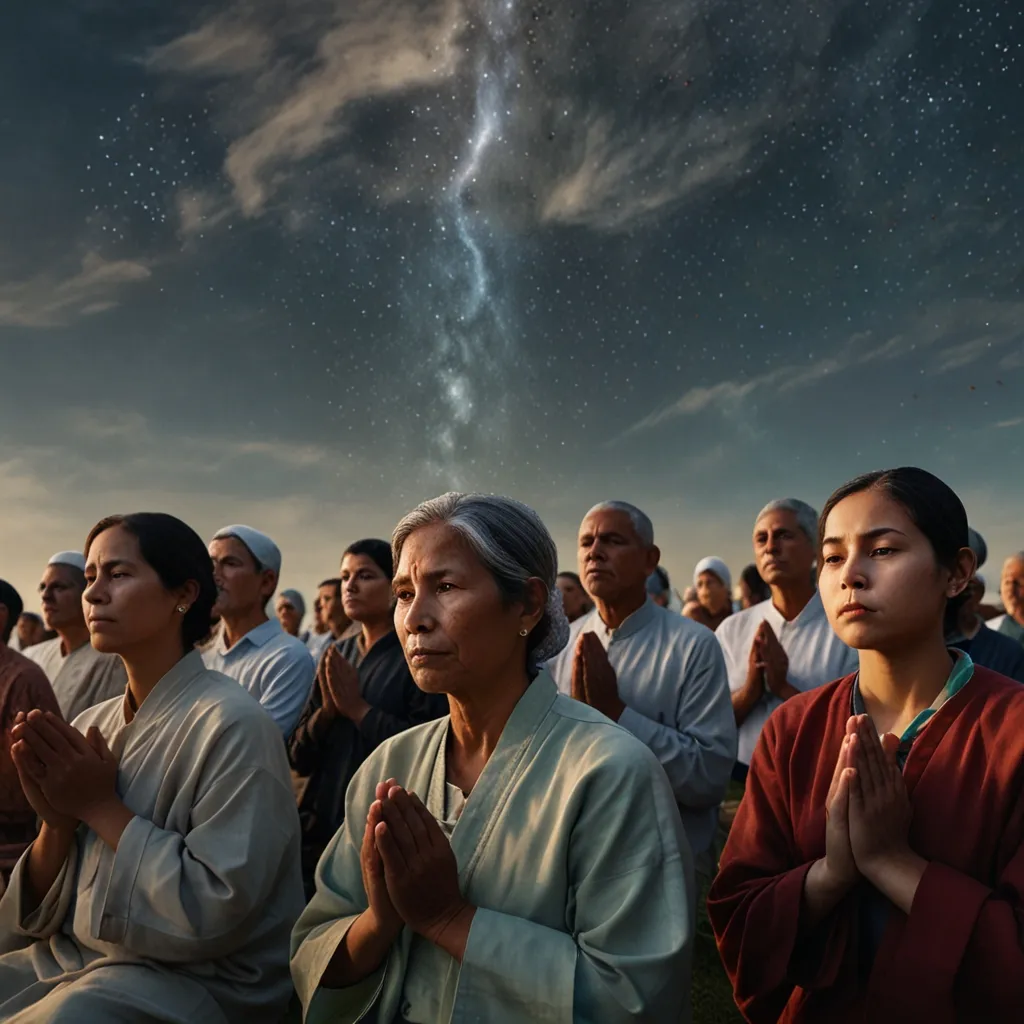
Prayer is a universal element of human life, spanning across all cultures and faiths. It serves as a bridge between humans and the divine, whether that be a singular God, multiple gods, or other supernatural forces. Essentially, prayer is like having a personal chat with the holy, conveying various religious feelings and attitudes.
For many religions, prayer is the heart and soul of their practices. It sets religion apart from other aspects of life. Take Islam, for example – prayer is almost synonymous with being Muslim. Similarly, in Christianity, a strong faith goes hand in hand with a life of prayer.
Prayer comes in all shapes and sizes. You’ve got benedictions, which are blessings; litanies, which involve call-and-response patterns; ceremonial prayers that are part of specific rituals; and free prayers, which are more spontaneous and from the heart.
Repetition is a big deal in some traditions. In Eastern Orthodox Hesychasm, for instance, the name of Jesus is quietly and constantly repeated. Japanese Pure Land Buddhism also uses repetition, focusing on the name of Amida Buddha. Then there are hymns and doxologies – expressions of praise and glory – which are also forms of prayer.
Ancient humans were big on prayer too. Tribes often prayed to nature spirits, ancestors, and protective gods. These could range from quick cries for help to more detailed incantations. The Algonkin Indians, for example, had simple yet potent prayers like “Come…hear me…have pity.”
As religions evolved, prayers became more structured. The ancient Greeks intertwined prayers with rituals like hand-washing, sacrifices, and offering libations. These formal prayers sometimes turned into hymns sung during festivals. Roman prayers similarly followed a structured format, often involving an offering in exchange for divine favor.
Prayer isn’t just about asking for stuff. It’s also a way to express gratitude and admiration. Many religious traditions use prayers of praise to reflect on spiritual experiences and lift the soul. These prayers can be a solo act or a communal one, involving entire communities in worship and thanksgiving.
Beyond religious rituals, prayer is a lifeline for many, offering solace, guidance, and healing. It becomes especially crucial during tough times, providing a source of strength. Additionally, prayer can inspire others, serving as a testament of faith.
Interestingly, there’s also a scientific angle to prayer. Researchers have delved into how prayer might impact healing, both mentally and physically. While there’s debate over its effectiveness, many find that prayer can positively influence well-being. Studies have looked at various aspects like the frequency of prayers and their intensity.
No matter the differences in how people pray, the underlying theme is the same: the yearning to connect with the sacred. Whether through meticulous rituals or spontaneous words, prayer remains a core part of religious practice. It’s a testament to our enduring quest for meaning and the desire to connect with something greater than ourselves.