Did You Know There's a Mystical Side of Christianity You Might Be Missing?
Exploring the Mystical Depths of Eastern Orthodox Christianity
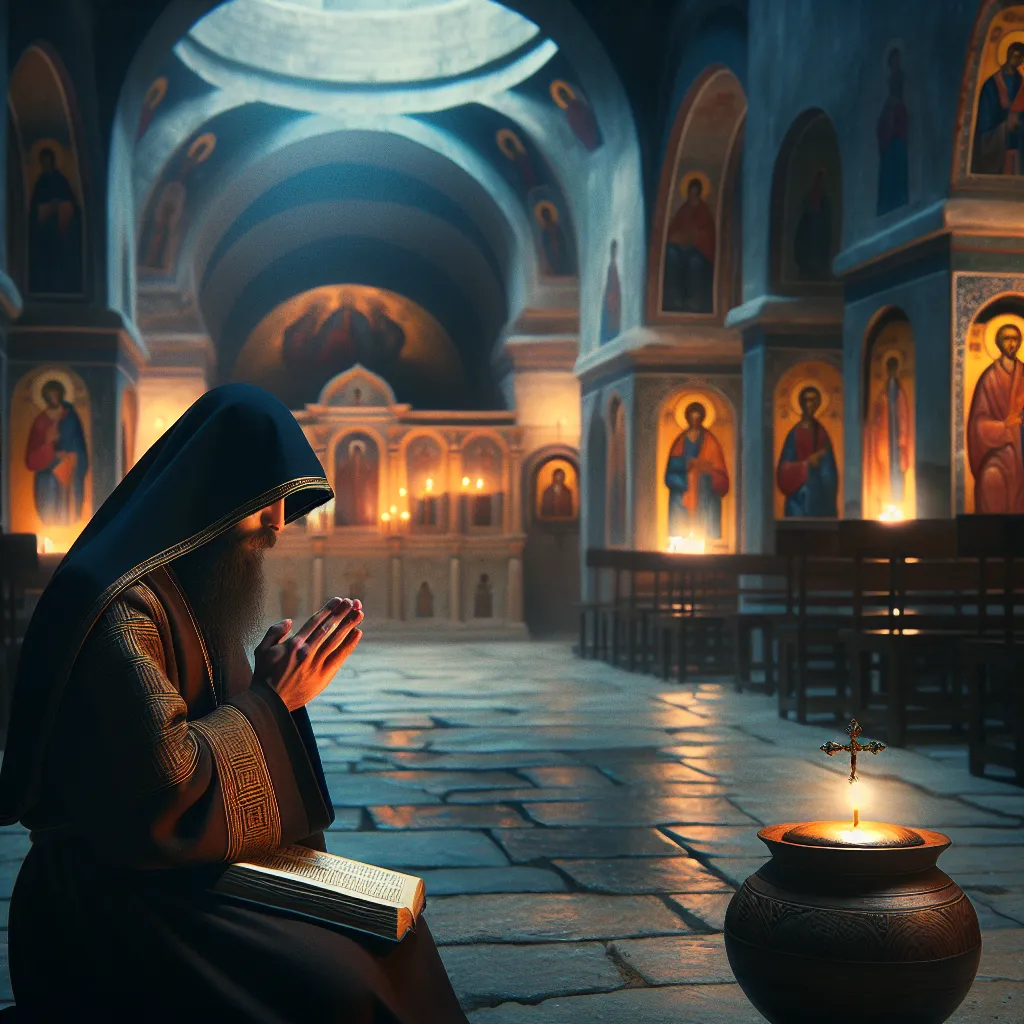
When people think about Christianity in places like Western Europe and America, they often picture the Roman Catholic Church or one of the numerous Protestant denominations. However, Christianity also includes the Orthodox Churches, a branch that, while sharing core beliefs, stands out with its unique traditions, theologies, and practices.
The split between Eastern Orthodox and Western Christianity began to take shape around the turn of the first millennium. The Western Church grew around the Pope and Latin language, while the Eastern part, using Greek, denied the Pope’s supreme authority. This gradual divergence culminated in the Great Schism, often cited as occurring in 1054, which officially separated the Western Roman Catholic Church and the Eastern Orthodox Church.
Orthodox Christianity itself isn’t monolithic. The Oriental Orthodox Churches, which include the Coptic Church in Egypt, Armenian Apostolic Church, and Syrian Orthodox Church, are distinguished from the Eastern Orthodox Churches. Both developed differently post-schism, making their theological perspectives and practices fascinating in their own right. Today, our focus is on the Eastern Orthodox Church.
While sharing early authority figures with the Roman Catholic Church, like church fathers, the two emphasized different saints. For instance, Saint Augustine, significant in the Western tradition, is less central in the East. Instead, figures like Clement of Alexandria are more prominent. Western Christianity championed scholasticism and rational theology, influenced by philosophers like Aristotle, seen in figures such as Thomas Aquinas. Conversely, the Eastern Orthodox Church leaned towards a mystical and experiential approach.
In Eastern Orthodoxy, mysticism isn’t just a peripheral or fringe ideology; it is central. Vladimir Lossky, a 20th-century Russian theologian, states that theology in the Eastern Church is inherently mystical. He emphasizes that there is no theology without mysticism, reinforcing that the ultimate goal of Christian life is union with God—known as theosis or divinization.
A significant feature of Eastern Orthodox mysticism is hesychasm, a meditative and prayer tradition aiming for inner stillness (hesychia in Greek). This practice involves specific bodily postures, breathing techniques, and the repetition of the Jesus Prayer: “Lord Jesus Christ, Son of God, have mercy upon me, a sinner.” Critics of hesychasm accused it of materialism, misunderstanding its meditative intent.
Important theologians like Gregory Palamas defended hesychasm, making a critical distinction between God’s essence, which is unknowable, and His energies, through which He interacts with the world. This concept allowed hesychasm to flourish, arguing that the divine experiences claimed by hesychast practitioners were encounters with God’s uncreated energies, not His essence.
The teachings of hesychasm are encapsulated in the Philokalia, a collection of texts by various spiritual masters focused on inner prayer, guiding both laypeople and monks towards spiritual depth.
In closing, exploring hesychasm provides a glimpse into the profound spiritual life embedded within Christianity, often overlooked in modern secular views. It reveals a rich, mystical tradition that remains a vital part of Eastern Orthodox practice today.