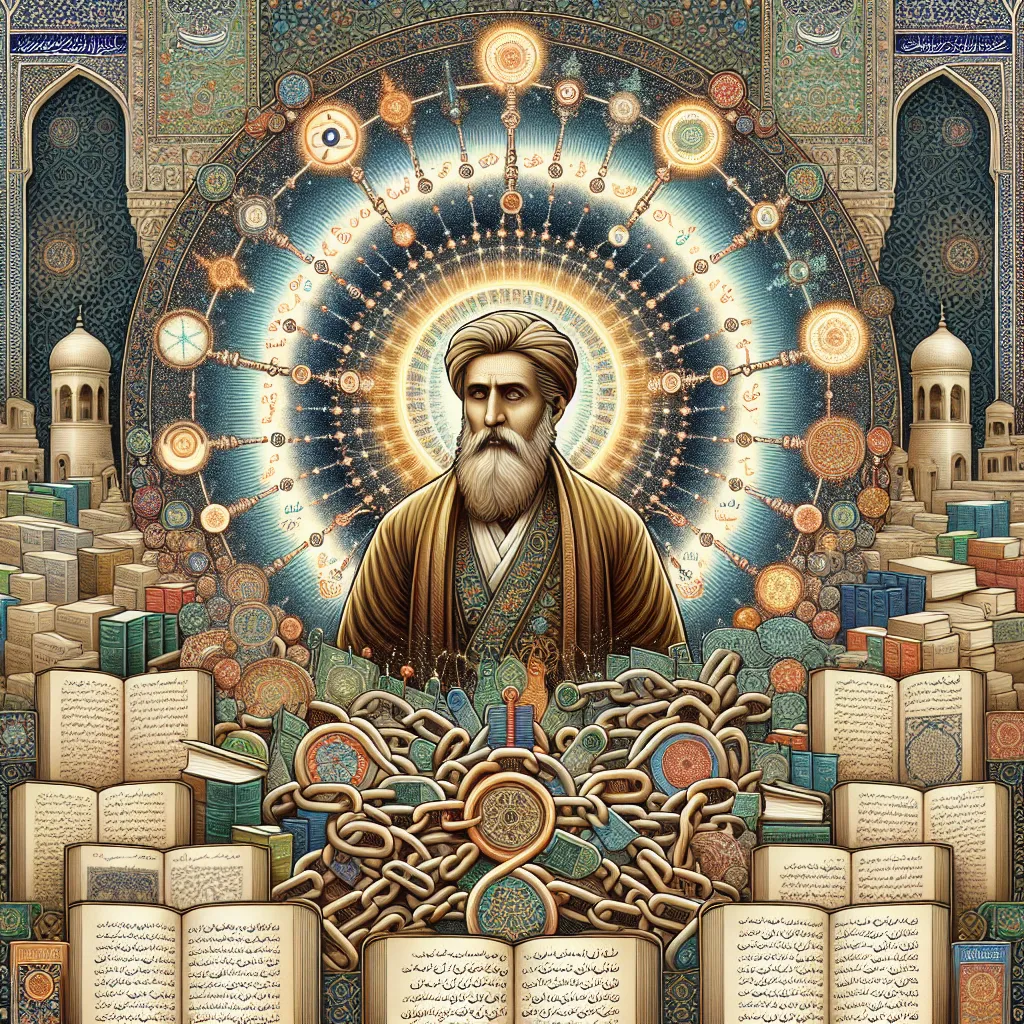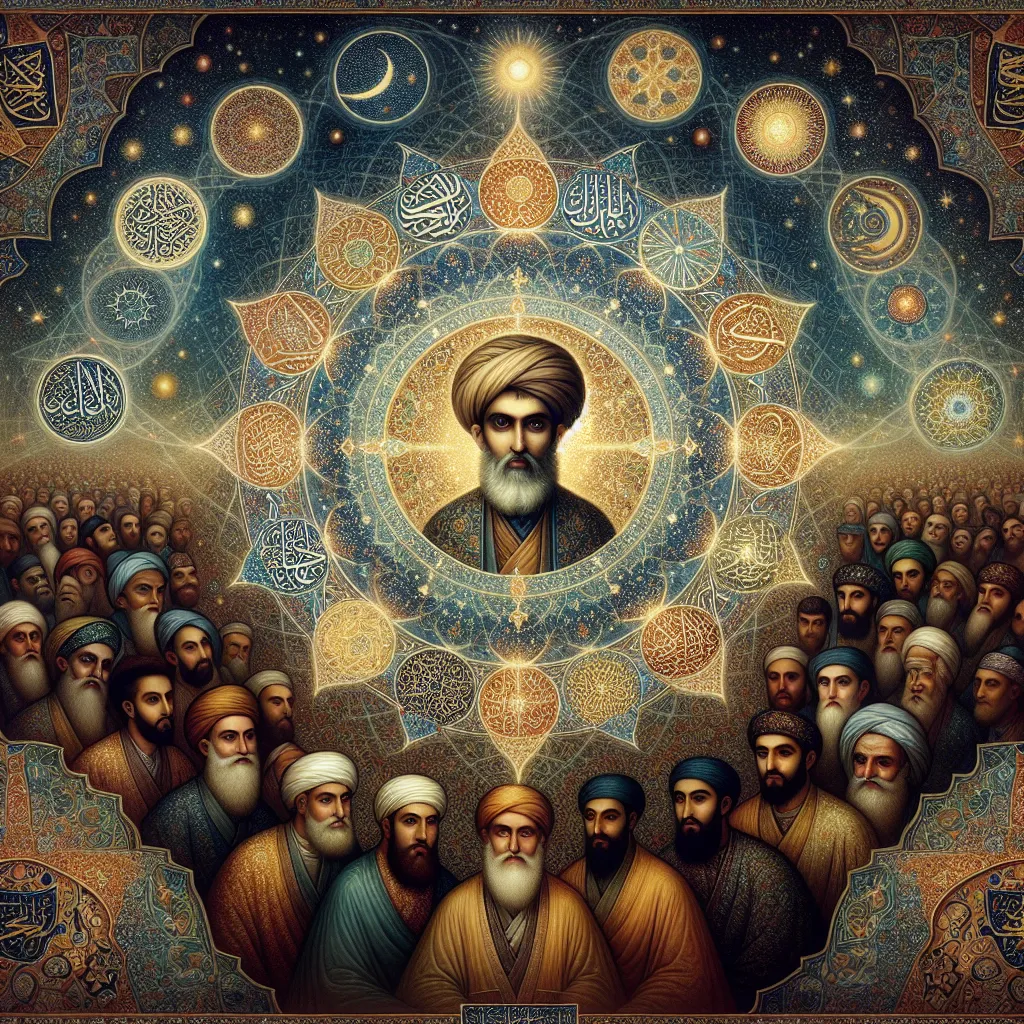
It’s fascinating how some figures, even those labeled as heretics by their society, can leave a lasting impact on the intellectual and religious landscape. Take Margarit Porete, for example. Her book, “The Mirror of Simple Souls,” became quite influential despite her execution as a heretic. Similarly, in the Islamic world, there’s the science of letters, also known as Ilm al-Huruf, which has been widely practiced and accepted. No one embodies this tradition more than Fadlullah Astarabadi, a 14th-century Persian Islamic mystic who introduced profound esoteric ideas about the universe, religion, and the power of language.
Fadlullah, hailing from Gorgan in Northern Iran, delved deep into Sufism from an early age. His reputation soared due to his remarkable ability to interpret dreams—a skill that seemed almost prophetic. Traveling across Central Asia, he attracted many followers who sought his mystical insights and dream interpretations. This talent was supposedly gifted by Prophet Muhammad in a dream, making him the most renowned dream interpreter since the Prophet Joseph.
As Fadlullah’s fame grew, so did his controversial claims. Not only did he interpret dreams with uncanny accuracy, but he also claimed to be the Messiah, a figure destined to guide believers through an impending apocalypse. His followers, known as the Hurufis, revered him for his teachings on the mystical significance of letters and language. He taught that reality was composed of a meta-language, with Arabic and Persian being the closest human approximations.
Fadlullah’s ideas extended beyond the mystical realm. He had political ambitions, which, along with his religious claims, led to his arrest and execution in 1394 by the ruling powers fearful of his influence. Despite his death, the Hurufi movement persisted for a while, driven by his family and disciples. Over time, however, the movement’s coherence faded, yet Fadlullah’s teachings left a lasting legacy.
One of Fadlullah’s most famous followers, Imadaddin Nasimi, became a celebrated poet, spreading Hurufi ideas through his mystical verses in both Persian and Turkic languages. His poetry, filled with radical Sufi expressions and profound mystical insights, cemented the Hurufi influence in the cultural and spiritual landscape, even though Nasimi, too, faced execution for his beliefs.
The teachings of Fadlullah and the Hurufis, while controversial, contributed significantly to the intellectual and mystical traditions within the Islamic world. Their emphasis on the esoteric meanings of language and the mystical connections between the human microcosm and the cosmic macrocosm offers a unique perspective on the spiritual heritage of the region.