religion

Could This Ancient Book Really Hold Mysterious Magical Powers?

Unlocking the Mystical Power of Sacred Letters: The Legacy of Shams al-Ma’arif
Could This Ancient Book Really Hold Mysterious Magical Powers?

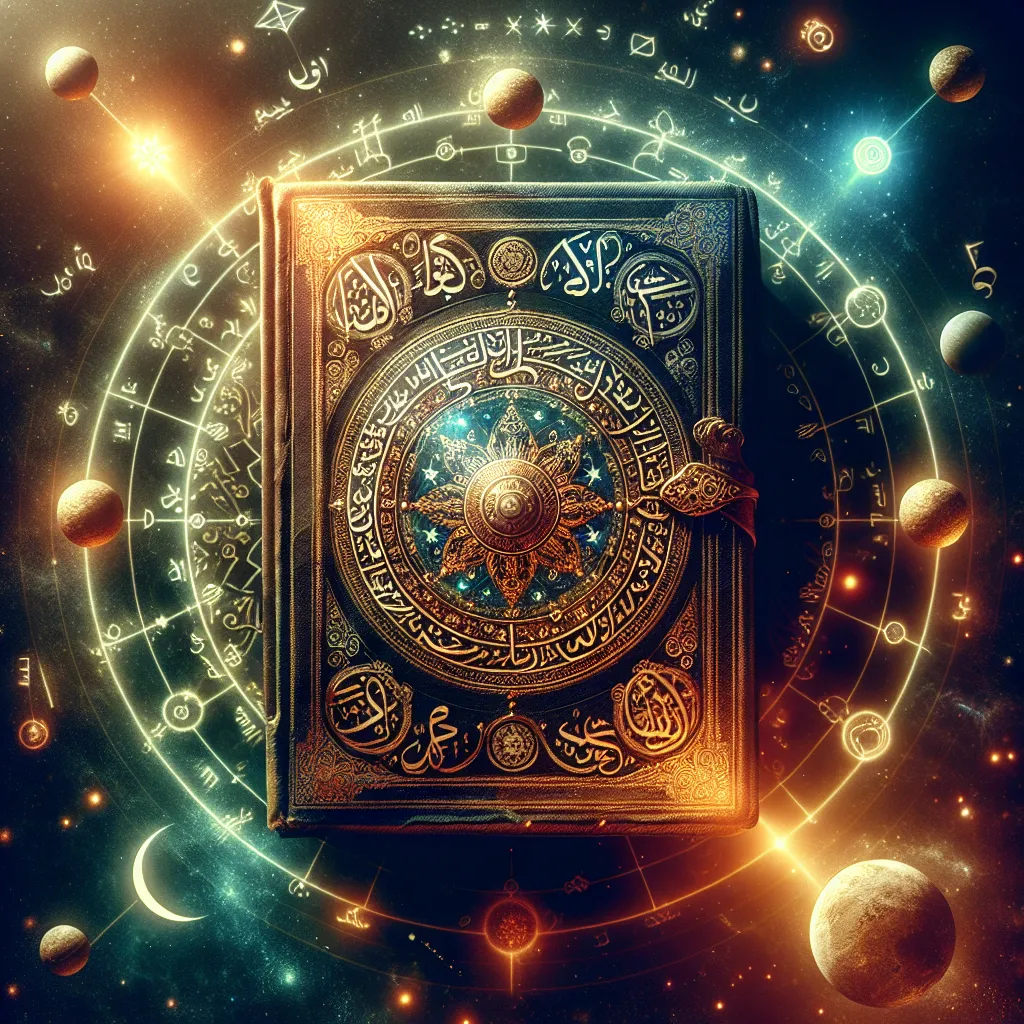
There’s an ancient occult book called “The Shams al-Ma’arif,” also known as “The Son of Knowledge.” It’s notorious for being one of the most dangerous books in existence. The book primarily delves into the science of letters, a belief that the letters of the Arabic alphabet hold magical, occult powers.

According to the book, these practices involve intricate details about letters and their connections, including the Mansions of the Moon, planetary spheres, and the names of God. The emphasis is not on invoking the powers of jinn or demons, but rather, harnessing the powers of God. This includes the use of Quranic verses and divine names.

A large part of “The Shams al-Ma’arif” is dedicated to explaining how to create talismans. These talismans are meant to protect the user from real danger and malevolent entities, utilizing the sacred letters and verses. The book’s infamous reputation stems from its detailed guide on employing these divine powers for protection and other purposes.

Similar Posts
Blog Image
What If Karma Is Actually Shaping Your Destiny?

The Universe’s Ripple Effect: Shaping Destiny Through Karma and Dharma

Blog Image
Is the Shams al-Ma'arif a Guide to Divine Knowledge or a Forbidden Tome?

The Enigmatic Shams al-Ma'arif: Sufi Spirituality and Occult Mysteries Entwined

Blog Image
Bahá'í Gardens: Haifa's Hidden Gem Blends Spirituality and Stunning Beauty

The Bahá'í Gardens in Haifa blend spiritual symbolism, architecture, and eco-friendly design. Featuring 19 terraces with the Shrine of the Báb at the center, they reflect Bahá'í principles of unity and diversity. The gardens use smart irrigation and drought-resistant plants, showcasing environmental stewardship. A major tourist attraction, they've become a model for sustainable religious sites worldwide.

Blog Image
Monastic Money: How Isolated Religious Communities Thrive Economically

Monastic communities: More than spiritual retreats, they're thriving economic hubs. Self-sustaining, they excel in agriculture, craftsmanship, and trade. Monks produce high-quality goods, practice sustainable farming, and manage resources efficiently. Their economic activities balance with spiritual devotion, influencing surrounding regions. These isolated communities offer valuable lessons in sustainability and community-based economics, relevant even in today's world.

Blog Image
What Mystical Secrets Lie Behind the Black Hats of Hasidism?

Mystical Paradoxes: The Rich Tapestry of Hasidism and Its Secret Roots

Blog Image
Could This Ancient Book Really Hold Mysterious Magical Powers?

Unlocking the Mystical Power of Sacred Letters: The Legacy of Shams al-Ma’arif