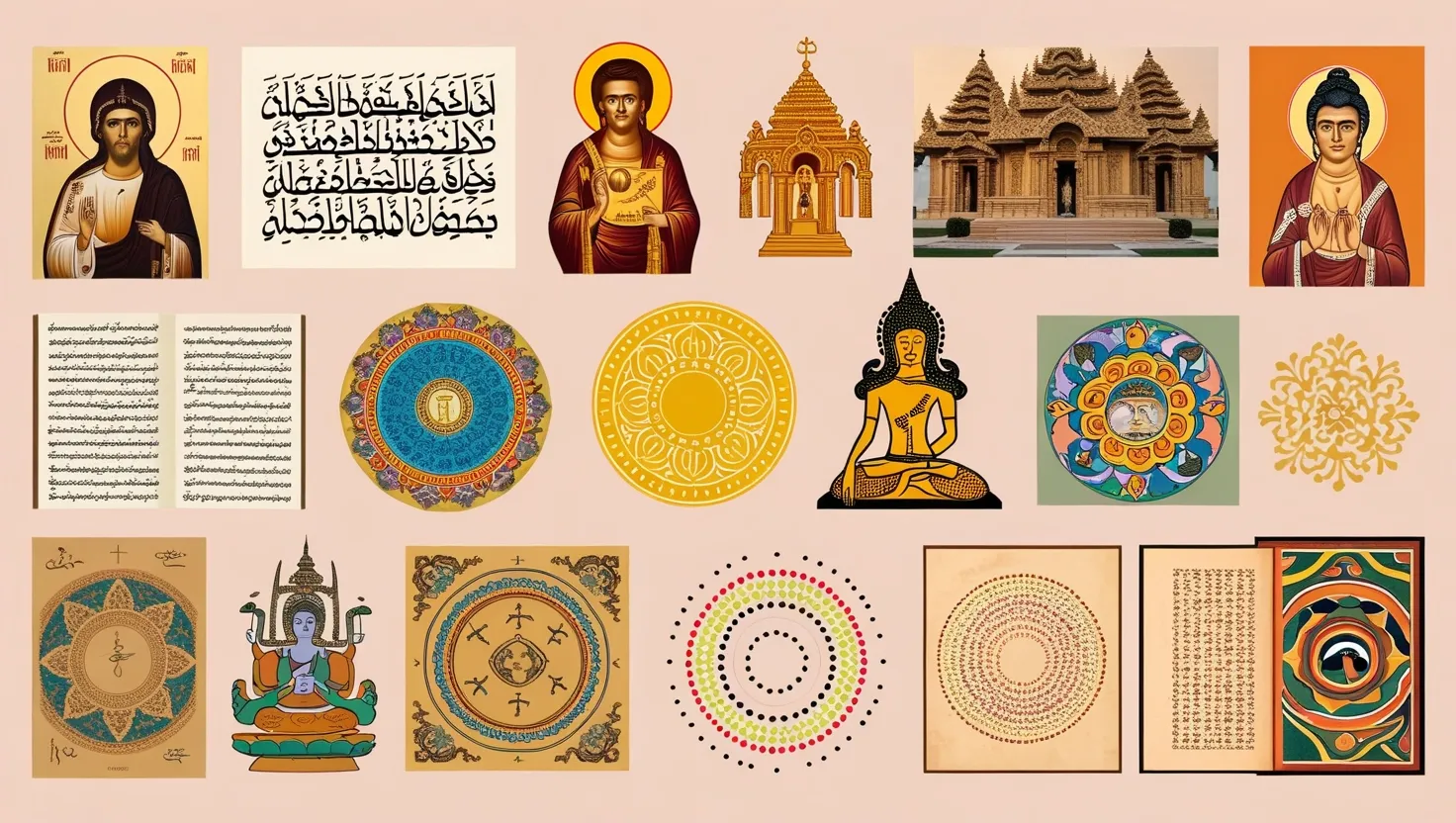
Religious pluralism is a super interesting topic that’s been debated forever. It’s all about how different religions, worldviews, and value systems manage to coexist in the same society. Imagine walking down a city street and spotting a mosque, synagogue, church, and Buddhist temple all within a few blocks—yep, that’s religious pluralism in action.
But it’s not just about tolerating other beliefs; it’s about understanding and engaging with them in meaningful ways. Different religions can totally exist peacefully side by side. This doesn’t mean they’re all the same or lead to the same truth. For example, Christians believe Jesus is the only path to salvation, while Muslims see the Quran as God’s final revelation. These beliefs can coexist without being mutually exclusive.
Dialogue and mutual respect are crucial here. When folks from different religious backgrounds come together, they share and learn from each other. This exchange can deepen someone’s own faith and broaden their worldview. It’s not about converting anyone but about building bridges of understanding.
Of course, religious pluralism has its challenges. Some people see it as a threat to their faith, worrying it could undermine their beliefs. Others think it implies all religions are equally true or false. But really, pluralism can strengthen faith by encouraging critical thinking about personal beliefs in relation to others.
History is full of examples where religious pluralism worked well. Think of the Silk Road, connecting Europe and Asia, where diverse religions interacted. Or the caliphate of Cordoba, where Muslims, Jews, and Christians lived in relative harmony. These historical snippets show pluralism isn’t new; it’s been a recurring theme.
Today, with globalization, people from different religious backgrounds interact more than ever. This can lead to greater understanding or conflicts if not handled right. So, it’s vital to approach it with an open mind and a willingness to engage.
Religious liberty and pluralism go hand in hand. A truly pluralistic society respects all religions and grants equal freedom for their practice. This means no state favoritism for any religion, allowing individuals to choose and practice their faith without fear of persecution.
Despite the many benefits, religious pluralism has critics. Some think it dilutes religious beliefs or ignores exclusive truth claims. But these views often misinterpret what pluralism means. It’s not about watering down beliefs but about respecting and engaging with the diversity of religious experiences.
In a nutshell, religious pluralism reflects the rich diversity of human religious experiences. It’s about coexistence, dialogue, and respect. While it can be challenging, it also offers great opportunities for understanding and cooperation. Embracing religious pluralism can help us build a more harmonious society in our interconnected world.