Aromatherapy has been around for thousands of years, making it one of those ancient practices that have stood the test of time. From the sands of ancient Egypt to the bustling streets of modern cities, essential oils have always played a big role in promoting not just physical health but emotional and spiritual well-being too.
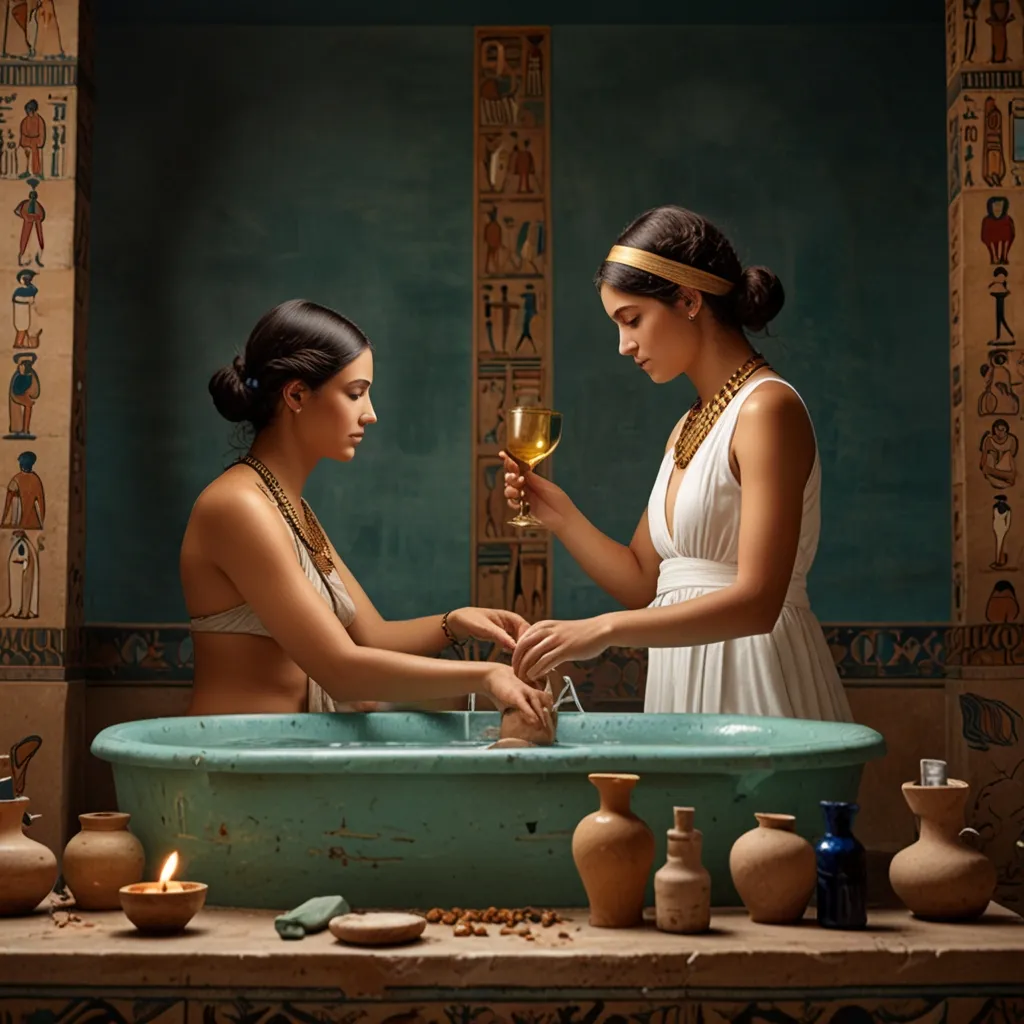
Back in ancient Egypt, around 2800 BC, essential oils were more than just scents. They were essentials in every sense of the word. Egyptians turned to oils in their rituals and ceremonies and even used them for mummification—it was their way of purifying the air and protecting the dead. Cedarwood oil, for instance, had a huge role in keeping mummies and ancient papyrus scrolls intact. The Egyptians were pretty advanced; they even developed complex distillation techniques to extract these oils from plants and used them in baths, massages, and medicines.
Egypt wasn’t alone in its love for essential oils. The ancient Greeks, with Hippocrates leading the way, were firm believers in the healing powers of aromatic baths and massages. They used essential oils to treat different ailments, and Pedanius Dioscorides wrote extensively about these oils in his book “Materia Medica,” a medical reference that’s still valued today.
The Romans didn’t lag behind either; they took the Greek practices and ran with them. Essential oils became a part of their daily routine, especially in their legendary bathing rituals. Applying and massaging oils into their bodies was essential for their health and relaxation. The Romans also introduced the idea of using these infused oils to enhance moods, a practice that eventually spread throughout the Far East and Arabia during the Crusades.
Moving over to ancient China, the use of essential oils dates back to around 2700 BC. The Chinese used oils in aromatic massages and burned fragrant woods and incense to honor their gods. Shen Nung’s “Herbal Book,” the oldest surviving medical text in China, details more than 300 plants and their medicinal properties, including those used for aromatic massage.
The Aztecs in the Americas also had a rich tradition of using medicinal plants and aromatic oils. When the Conquistadors arrived, they were blown away by the Aztecs’ vast knowledge of medicinal plants and the variety of aromatic oils they used. These oils played key roles not only in healing but also in their religious ceremonies and rituals.
In India, the Ayurvedic system of medicine, which has been around for thousands of years, places a heavy emphasis on essential oils to restore balance and well-being. Ayurveda teaches that disease arises from an imbalance in a person’s consciousness, and that essential oils can help regain this balance, both externally and internally.
Fast forward to the early 20th century, and French chemist René-Maurice Gattefossé accidentally discovered the healing properties of essential oils. After burning his hand in a lab mishap, he dunked it in lavender oil and was stunned by how quickly it healed and left no scars. This led him to devote his life to studying essential oils, eventually coining the term “aromatherapy” in 1937.
Today, aromatherapy is seen as a form of phytotherapy, or plant-based healing, used worldwide to address mood disorders and various illnesses. It’s a holistic approach aimed at balancing not just physical health but spiritual needs and overall well-being. Nurses and healthcare professionals have embraced aromatherapy for its patient-centered approach, which supports interpersonal relations, promotes personal growth, and aids in coping and adaptation.
The market for aromatherapy and essential oils has exploded, with projections suggesting that sales in the United States alone could hit over $11 billion by 2022. This surge is fueled by growing awareness of the benefits and easy accessibility of essential oils. Unlike ancient times when these oils were for the elite, now anyone can incorporate them into their daily regimen.
Essential oils are extracted from different parts of plants like flowers, bark, leaves, or fruit using methods like steaming or pressing. These concentrated oils can be inhaled, applied to the skin, or added to bath salts. When inhaled, the scent molecules travel straight to the brain, affecting the emotional center and promoting relaxation and overall well-being.
There are studies that suggest essential oils may help with anxiety, depression, nausea, and insomnia, although scientific evidence is mixed. Many people swear by these oils for boosting their mood and health. To stay safe, it’s crucial to choose high-quality oils from reputable sources. Look for oils in dark glass bottles, avoid those labeled as “fragrance oils,” and compare prices to make sure you’re getting the real deal.
To wrap things up, aromatherapy has evolved from being deeply rooted in ancient rituals and healing practices to becoming a contemporary, holistic approach to health. From ancient Egypt, Greece, and China to today, essential oils have always been cherished for their therapeutic properties. As we continue to explore the benefits of these oils, it’s clear that aromatherapy will remain an essential part of our journey towards better health and well-being.