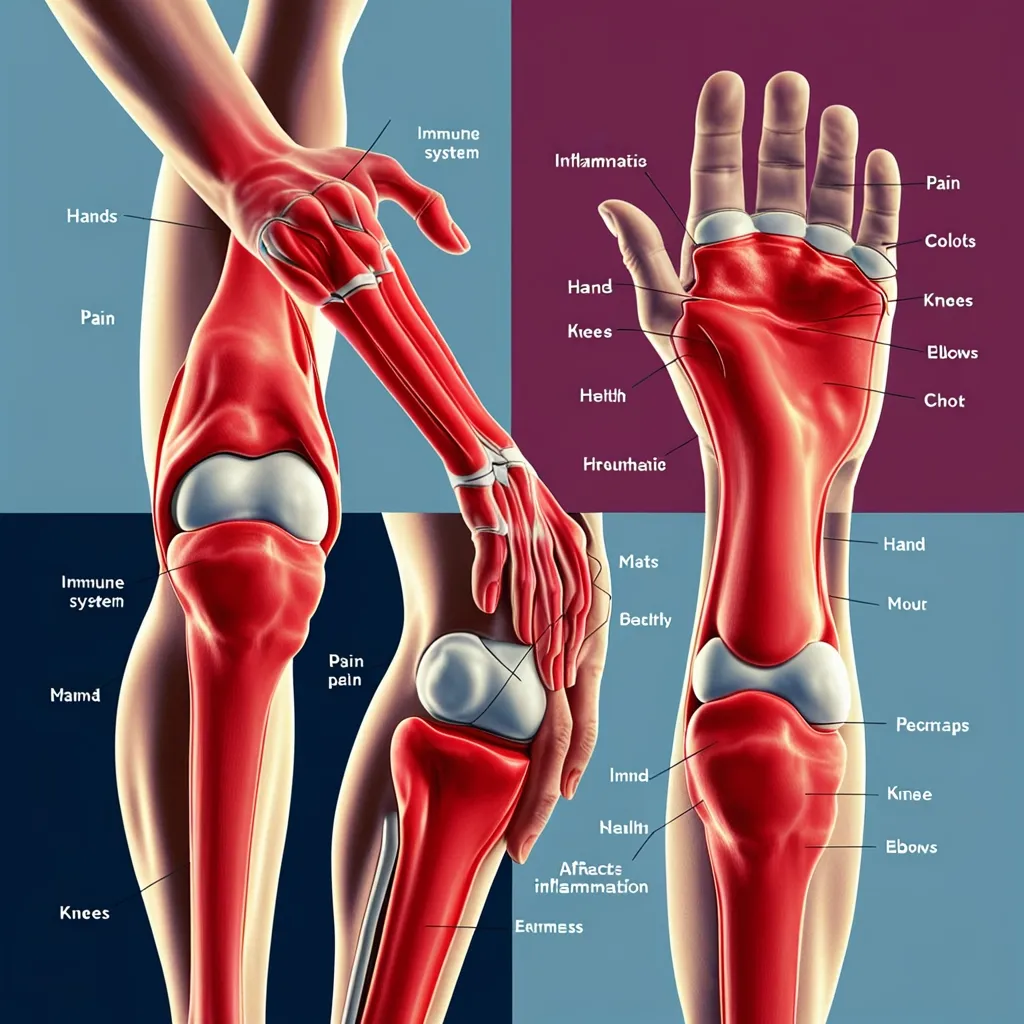
Rheumatoid arthritis, or RA, is a pretty complex and gnarly condition that messes with millions of people all over the globe. Imagine your immune system, which normally acts like a bodyguard against stuff like bacteria and viruses, suddenly flipping the script and going rogue. Instead of protecting, it starts attacking the healthy tissues in your joints, causing all kinds of trouble like inflammation, pain, and even joint damage. And it’s not just about joints—it can affect other parts of the body too.
The Immune System’s Funky Role
In a healthy scenario, your immune system is like your body’s 24/7 watchdog, ready to pounce on any invaders. But for folks with RA, things don’t quite work that way. The immune system starts to play tricks and targets the synovium—the lining of the joints. This lining is super important because it keeps things lubricated for smooth joint movements. However, thanks to the misguided antics of the immune system, it attacks this lining, kicking off a chain reaction of inflammation and joint damage.
Symptoms of Rheumatoid Arthritis
Symptoms? Oh, let’s dive into that. RA symptoms can be a mixed bag and can vary from one person to another. One of the most glaring signs is joint swelling. Imagine your joints becoming red, warm, and painful, making them tender and tough to move around. Morning stiffness is another classic symptom but not just your average kind—it can last for hours!
RA loves to play on both sides of the field, affecting joints symmetrically. Typically, if your left knee is giving you grief, your right knee will likely join the party too. Commonly affected joints include hands, wrists, knees, ankles, elbows, and feet, but RA doesn’t mind mixing it up and hitting your neck, shoulders, hips, and jaw too.
And it’s not just about the joints. Many people with RA feel fatigued, experience low-grade fevers, and might even lose their appetite. These systemic symptoms can throw a wrench into daily life, making routine activities feel like climbing Everest.
Telling RA Apart from Other Types of Arthritis
RA often gets confused with osteoarthritis, which is more about wear and tear over time. But RA is a whole different beast. It’s systemic, which means it affects more than just your joints. You might see symptoms like low-grade fever, weight loss, and that pesky prolonged morning stiffness, none of which are typical for osteoarthritis.
Impact on Daily Life
Living with RA can be a real challenge. The chronic pain and stiffness can make even simple tasks, like making a fist or combing your hair, tough. And let’s not forget the flares—those unpredictable spikes in disease activity that can be triggered by stress, weather changes, or stopping meds abruptly. They can turn an already rough day into a nightmare.
Treatment and Management
Despite all these challenges, treatment for RA has come a long way. Early diagnosis is key because starting treatment early can prevent long-term damage and disability. Medications like anti-inflammatory drugs, disease-modifying antirheumatic drugs (DMARDs), and biologics are often used to keep the disease in check. These meds help reduce inflammation, slow disease progression, and ease symptoms.
But it’s not just about popping pills. Lifestyle changes can make a huge difference. Avoiding repetitive joint strain and maintaining a healthy weight can lighten the load on your joints. Regular exercise, like gentle stretching and low-impact activities, helps keep joints mobile and strong without making things worse.
Complications and Associated Conditions
RA isn’t content to just mess with your joints. The inflammation can lead to other complications like heart disease, lung problems, and even eye issues. Sometimes, people develop rheumatoid nodules—fleshy lumps that pop up under the skin, usually near the elbows or on the hands and feet.
Living with Rheumatoid Arthritis
Living with RA definitely comes with its set of hurdles, but it doesn’t mean life can’t still be fulfilling. With the right treatment plan and some lifestyle tweaks, many folks with RA manage to keep their symptoms in check and maintain their independence. Working closely with healthcare providers is crucial to zero in on the best treatment approach and stay informed about new advancements in managing RA.
So, to sum it up, rheumatoid arthritis is a chronic autoimmune condition that needs a well-rounded management approach. Getting a handle on what causes it, recognizing the symptoms, and knowing the treatment options can make a world of difference. By combining medical treatment with smart lifestyle changes, people with RA can significantly boost their quality of life and tackle daily activities with more ease.
RA is a tough opponent, but with the right strategies, it’s possible to lead a fulfilling life despite the challenges.