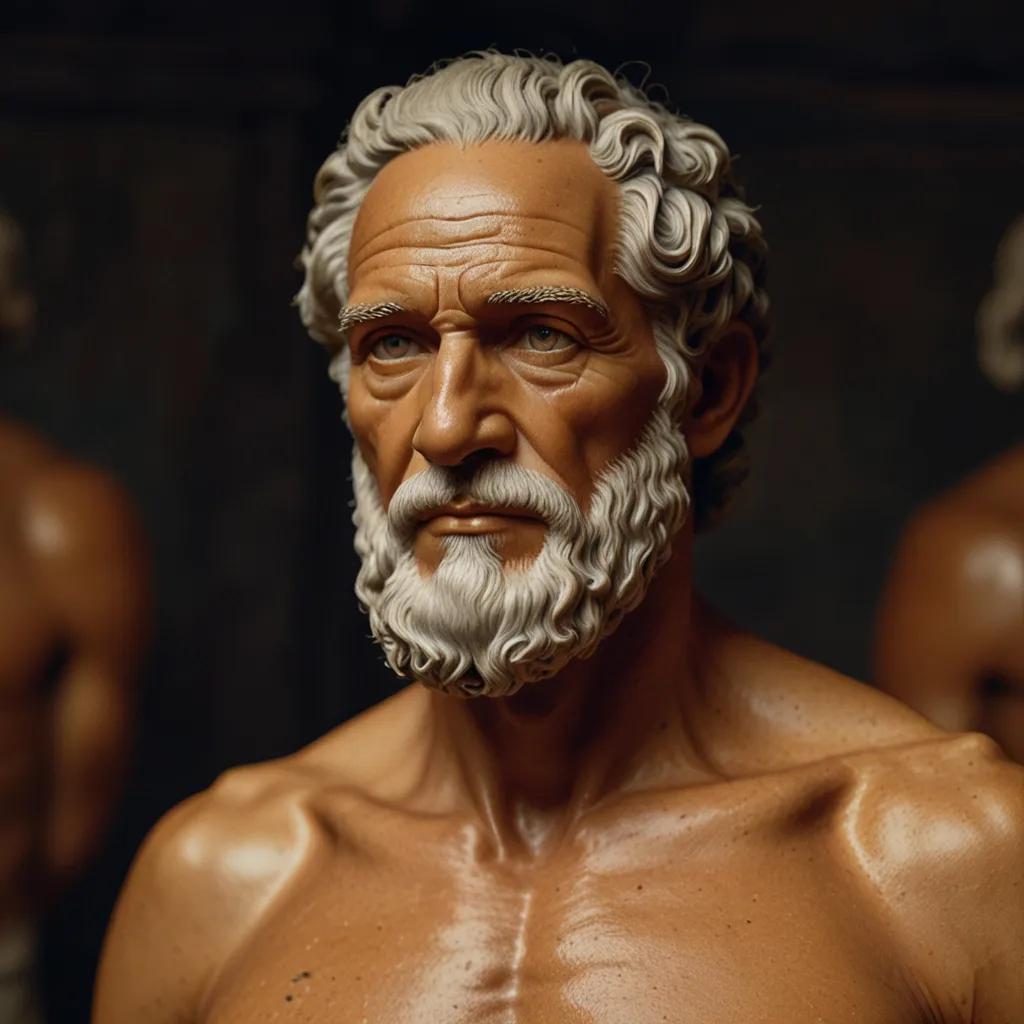
Ancient Greek medicine, man, what a trip. It’s like the ultimate mashup of gods, science, and a bit of “eh, let’s see what happens.” The Greeks saw illness as divine smackdowns from the gods at first. Picture Zeus throwing lightning bolts of the flu. But by the 5th century BCE, folks started looking into more down-to-earth causes and, voila, science began nudging its way into medicine.
These ancient Greeks had some wild and varied ideas about what kept you healthy. Geography, local customs, whether you were a dude or a lady, and your social status—everything played a part. So, Greek medicine wasn’t a one-size-fits-all deal. It was like a buffet of different methods and beliefs.
Enter Hippocrates, the guy often called the father of medicine. Now, there’s a bit of a mystery here because none of the medical texts can be directly pinned to him. But the writings under his name covered everything from diagnosing illnesses to general doctor advice. These texts were crucial in steering medicine away from hocus-pocus and more towards logical thinking.
The Greeks were pretty nosy in a good way; they loved poking around and trying to understand what made humans tick. They observed injured soldiers and, as early as the 4th century BCE, dissected animals to learn about anatomy. Human dissections didn’t really kick off until Hellenistic times, but that’s when they hit some major milestones, like mapping out the nervous system. Still, not everything they believed was spot-on. Take Aristotle, for example; he thought the heart was the boss of the body instead of the brain. Oops.
When it came to actual medical practice, these guys were no slackers. They were pros at first aid—setting broken bones, fixing dislocations, and curing slipped discs. They could remove arrowheads and other unwanted guests from wounds and even perform amputations to stop gangrene. Closing up wounds with thread and dressing them with vinegar, wine, oil, or honey was all in a day’s work. Plus, they’d get patients to chow down on foods like celery for its supposed anti-inflammatory powers.
The four humors was a big theory back then—blood, phlegm, yellow bile, and black bile. Each humor was tied to a season, an organ, a personality type, and an element. Staying healthy was all about keeping these humors in balance. Illness? Often just too much or too little of one humor. This idea was a cornerstone for ages and really highlights how holistic their approach was to health.
But don’t think they totally ditched divine intervention. If things got sticky, many doctors would still make a call to the gods for backup. Asklepios, the god of healing, was kind of the quarterback; temples dedicated to him were like ancient health spas. People would go there, knock out a snooze, and hope for some godly magic.
The Olympic Games were a big push for health and fitness too. Athletes needed to stay in top shape, which meant diet, exercise, and well-being were super important. But it wasn’t just athletes; wealthy and educated Greeks also focused on a healthy lifestyle. They kept their bodies at a constant temp, took their teeth-cleaning game seriously, washed up regularly, and ate all the right foods to keep their humors in check.
Hippocratic care wasn’t just about fixing the body. It was a full-on holistic effort, considering both the mind and body. They emphasized good diet and physical activity to stay healthy but also had surgical techniques for trauma care. Mental health? They used music and drama to soothe the soul. The Asclepieion of Kos, a temple for Asklepios, showed how detailed their patient care was, recording everything meticulously.
So, ancient Greek medicine was this evolving landscape that shifted from spiritual mumbo-jumbo to scientific exploration. It laid down some serious groundwork for modern medicine with its zeal for observation, experimentation, and an all-around holistic take on health. Sure, they had their missteps and didn’t get everything right, but their contributions left a lasting mark on the world of healthcare, shaping practices for centuries on end.