What if Spirituality Holds the Key to Holistic Health?
Weaving Spiritual Threads into the Fabric of Medicine: Connecting Ancient and Modern Practices

Spirituality has always been a big part of ancient medicine, acting as a backbone for the holistic approach towards health and well-being. Back in the day, many cultures intricately wove spiritual elements into their medical practices, creating a complete system that tackled both physical and spiritual health. The belief was that keeping your spirit in check was as crucial as your physical health.
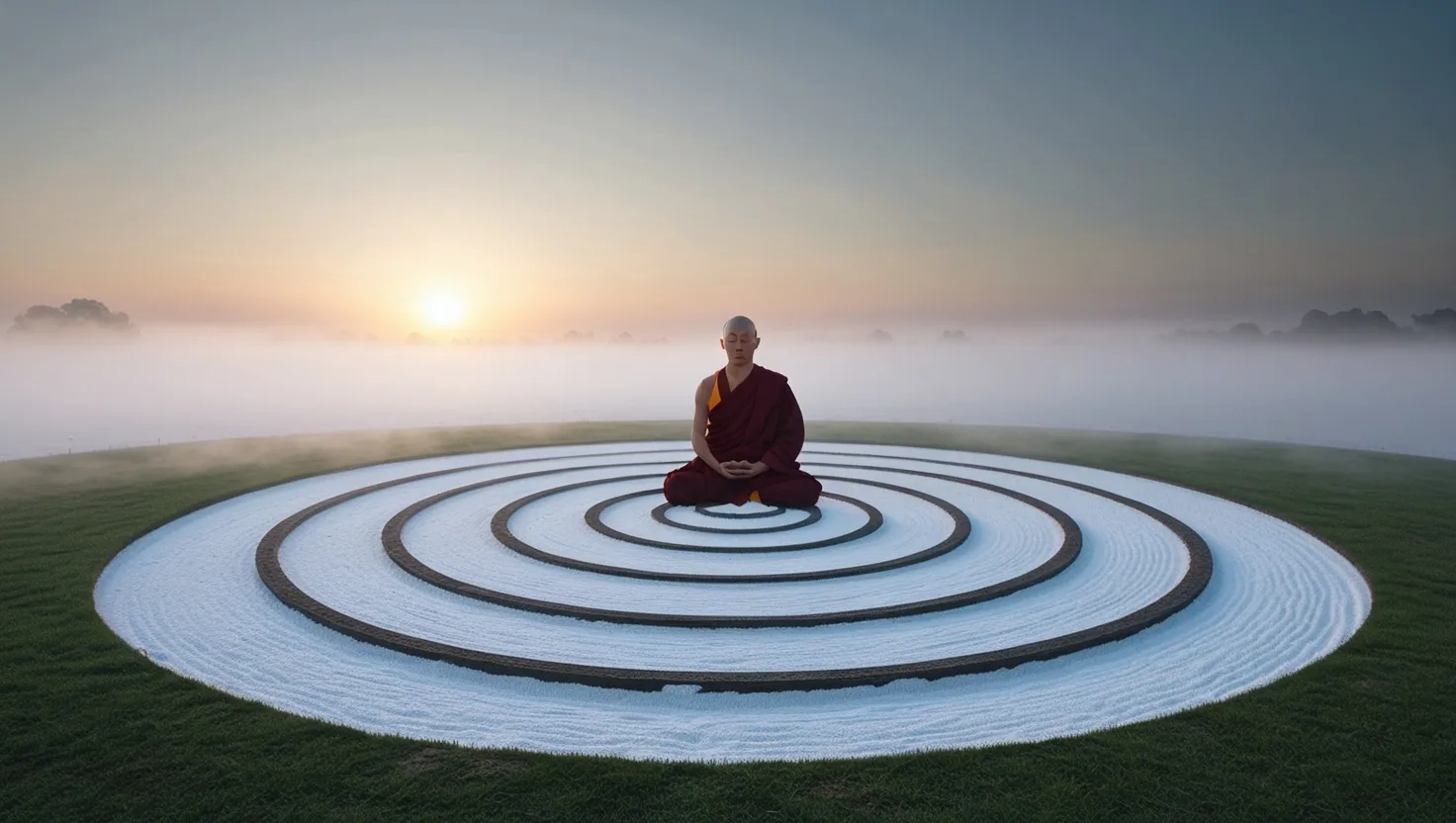
Looking at traditional Chinese medicine, for example, spirituality played a key role. The idea of “qi” or life energy was central to their practices. They believed that keeping qi balanced was the secret to good health, and they used things like acupuncture and meditation to maintain this balance. Similarly, Ayurvedic medicine from ancient India emphasized harmony between the body, mind, and spirit through diet, exercise, and spiritual practices like yoga and meditation.
But it wasn’t just about treatment; spirituality also played a big role in preventing illnesses. Many ancient cultures thought that spiritual practices could keep diseases at bay by maintaining a balance of energies within the body. Take ancient Greece, where the concept of “temperaments” helped understand individual health. They believed everyone had a unique spiritual and physical makeup that needed to be balanced to stay healthy.
Rituals and ceremonies were also a big part of ancient medicine. In many indigenous cultures, shamans or spiritual healers performed elaborate rituals to restore health and balance in patients. These ceremonies often included chanting, dancing, and using sacred plants and herbs. The idea was to communicate with the spiritual realm for guidance and healing.
Training ancient physicians went beyond learning physical treatments; understanding the spiritual side of health was equally important. Future doctors were trained to be aware of their patients’ spiritual beliefs and practices, seeing them as vital to overall well-being.
Even with the leaps and bounds made in modern medicine, spirituality’s place in healthcare remains significant. Nowadays, there’s a growing acknowledgment of the role spirituality plays in patient care. Many modern hospitals and healthcare centers are incorporating spiritual care into their services, understanding that spiritual needs are just as important as physical ones.
Research backs this up. Patients who receive spiritual care alongside medical treatment often report higher satisfaction levels with their care and deal with less stress and anxiety. This happens because spiritual care touches on the patient’s emotional and psychological needs, offering them a sense of purpose and meaning during their illness.
These days, the integration of spirituality into healthcare is becoming more structured. Medical schools are adding courses on spirituality and religion to their curricula, understanding its importance in patient care. Healthcare providers are also trained to take a spiritual history of their patients, delving into their beliefs, values, and practices.
One tool that’s often used is the FICA method, which stands for Faith, Importance, Community, and Address in care. It involves asking patients about their faith, the role of spirituality in their life, their spiritual community, and how their beliefs shape their health decisions. This approach helps healthcare providers to grasp their patients’ needs better and to provide more holistic care.
In a nutshell, spirituality in ancient medicine was profound and extensive. It offered a holistic framework for understanding and treating illnesses. Fast forward to today, and we’re still recognizing the value of spirituality in our healthcare practices. This not only improves patient outcomes but also delivers a more compassionate and holistic form of care.