Surviving the Common Cold: Tips to Outsmart the Sneaky Virus
Navigating the Common Cold: Practical Tips and Creative Approaches for Relief
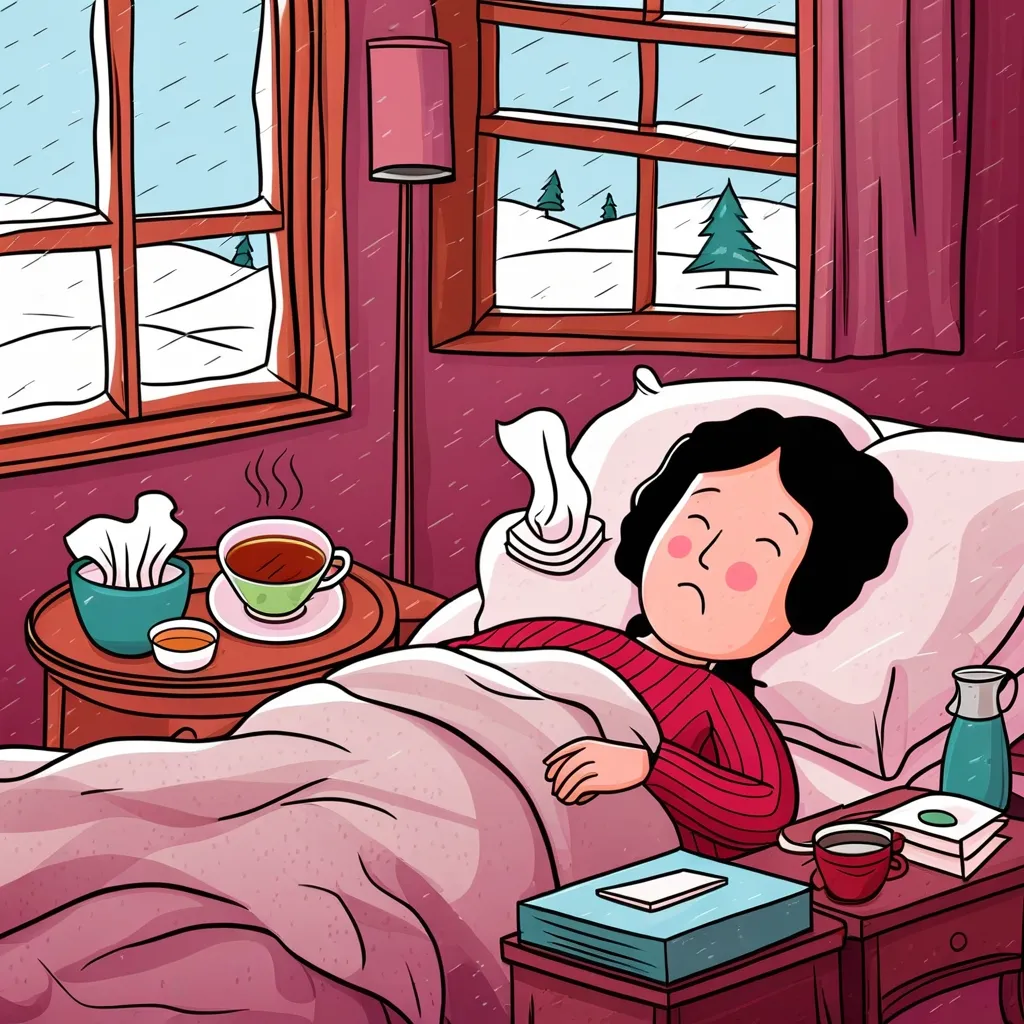
The common cold is like that annoying guest who pops up uninvited and overstays their welcome. It’s something we all have to deal with at some point, affecting millions of people worldwide each year. So, let’s break it down and figure out what’s going on, what to look out for, and how to get through it without losing your mind.
First up, what exactly is the common cold? It’s a viral infection that targets your upper respiratory tract – that’s your nose, throat, and sinuses. The main troublemaker here is the rhinovirus, but there are other viruses that can cause it too. These sneaky viruses are highly contagious and spread like wildfire through direct contact with an infected person, touching contaminated surfaces, or just by breathing in the air when someone coughs or sneezes nearby. Once you’re hit, symptoms usually start showing up within 2 to 3 days.
So, what are these symptoms all about? Imagine starting with a runny nose, sneezing, a sore throat, and a cough. Sounds familiar, right? You might also get a mild headache, feel super tired, and just generally crummy. Sometimes, especially if you’re a kid, you might even run a low-grade fever. These symptoms generally peak around day five and start saying their goodbyes by day seven to ten.
Now, let’s talk about dealing with it. Unfortunately, there’s no magic pill to cure a cold, but there are tons of ways to manage the symptoms and make yourself more comfortable.
First, rest is your new best friend. Seriously. Your body needs the energy to fight off the infection, so take it easy. Stay hydrated, too. Drink water, tea, or broth – warm liquids can be super comforting and help clear congestion. Steer clear of dehydrating stuff like alcohol, coffee, and sugary drinks.
Next, over-the-counter meds can be handy, though use them wisely. Decongestants, antihistamines, and pain relievers like ibuprofen or acetaminophen can help with symptoms. Just remember, these meds aren’t for everyone. Kids under six shouldn’t use over-the-counter cold medications, and it’s always smart to chat with a healthcare provider before giving any meds to your little ones.
Home remedies are also worth a shot. Gargling with warm salt water can ease a sore throat. A humidifier or cool mist vaporizer can add moisture to the air, which helps with a sore throat and congestion. Saline nasal sprays or drops can also help clear out the gunk.
One thing to avoid is irritants. Stay clear of cold environments and definitely avoid smoking. Cold air can make your throat and nasal passages feel worse, and smoking or secondhand smoke can worsen respiratory issues.
Now, let’s switch gears and talk about preventing this unwelcome guest. Some simple yet effective steps can make a big difference.
Good hand hygiene is a must. Wash your hands with soap and water often, scrubbing for at least 20 seconds. Try not to touch your face because viruses love to enter through your nose, mouth, and eyes.
Keeping your distance from others when you’re sick helps too. Skip the kisses, handshakes, and sharing cups or utensils. Staying home from work or school when you’re feeling crummy can also help stop the virus from spreading.
Regularly cleaning and disinfecting surfaces you touch often is another good habit. When you cough or sneeze, do it into a tissue, then toss the tissue and wash your hands.
Even though most colds resolve without much fuss, sometimes it’s best to seek medical attention. If you’re having trouble breathing, fast breathing, dehydration, or a fever that sticks around for more than four days, it’s time to see a healthcare provider. If your symptoms last more than ten days or get better only to worsen again, seek help.
There can be complications, especially for folks with weakened immune systems, asthma, or other chronic respiratory issues. In such cases, a cold can escalate to something nastier like bronchitis or pneumonia. If you ever notice severe symptoms or your chronic conditions worsen, don’t hesitate to contact your healthcare provider.
For the little ones, extra care is needed. Over-the-counter meds are a no-go for children under six due to the risk of severe side effects. Instead, use acetaminophen or ibuprofen to reduce fever, but stick to the recommended dosage and chat with a healthcare provider first. A rubber suction bulb can help clear mucus, and sitting in a steamy bathroom can ease congestion.
Bottom line: while you can’t avoid the common cold entirely, knowing how to handle it can make a big difference. By resting, staying hydrated, and using over-the-counter treatments and home remedies wisely, you can feel better faster. Remember to practice good hygiene and avoid close contact to help keep the virus from spreading. If you’re ever unsure or if your symptoms take a turn for the worse, don’t hesitate to reach out to a healthcare provider for advice and care.