Choosing the Perfect Yoga Mat: Your Ultimate Guide
Finding the right yoga mat can be a game-changer for your practice. With so many options out there, it’s easy to feel overwhelmed. But don’t worry, we’ve got you covered! Let’s dive into everything you need to know to pick the perfect mat for your yoga journey.
First things first, think about where you’ll be practicing. Are you a home yogi or always on the go? If you’re practicing at home, you might not need a super lightweight mat. But if you’re constantly bouncing between studios or traveling, a foldable, lightweight option is your best bet.
Now, let’s talk thickness. This is all about comfort and stability. Most standard mats are about 1/8 inch thick, which works well for most people. But if you’ve got sensitive joints or you’re practicing on a hard surface, you might want to go thicker - up to 1/4 inch. On the flip side, if you want to feel more connected to the ground or you’re always on the move, a thinner mat (around 1/16 inch) could be perfect.
Here’s a pro tip: if you’re into Progressive yoga, which can be pretty intense, go for a mat that’s about 4-6 mm thick. It’ll give you the cushioning you need without making you feel like you’re practicing on a mattress!
Let’s get into materials. PVC mats are sticky and affordable, but they’re not exactly eco-friendly. If you’re all about being green (and who isn’t these days?), look for mats made from natural rubber, jute, or organic cotton. These materials are biodegradable and give you a great grip without any nasty chemicals.
Speaking of grip, that’s another biggie. You don’t want to be slipping and sliding during your downward dog, right? PVC mats are known for their stickiness, but they need regular cleaning to keep that grip. If you’re into eco-friendly options, natural rubber or jute mats with raised patterns can give you excellent traction.
Size matters too! Standard mats are usually about 68 x 24 inches. But if you’re tall or just like having more space, you might want to go for a longer or wider mat. It’s all about what makes you comfortable in your practice.
Now, let’s talk money. You don’t need to break the bank to get a good mat. Basic PVC mats can cost less than $15, while fancy eco-friendly options can go over $100. If you’re just starting out, a basic sticky mat will do the trick. As you get more serious about your practice, you can always upgrade.
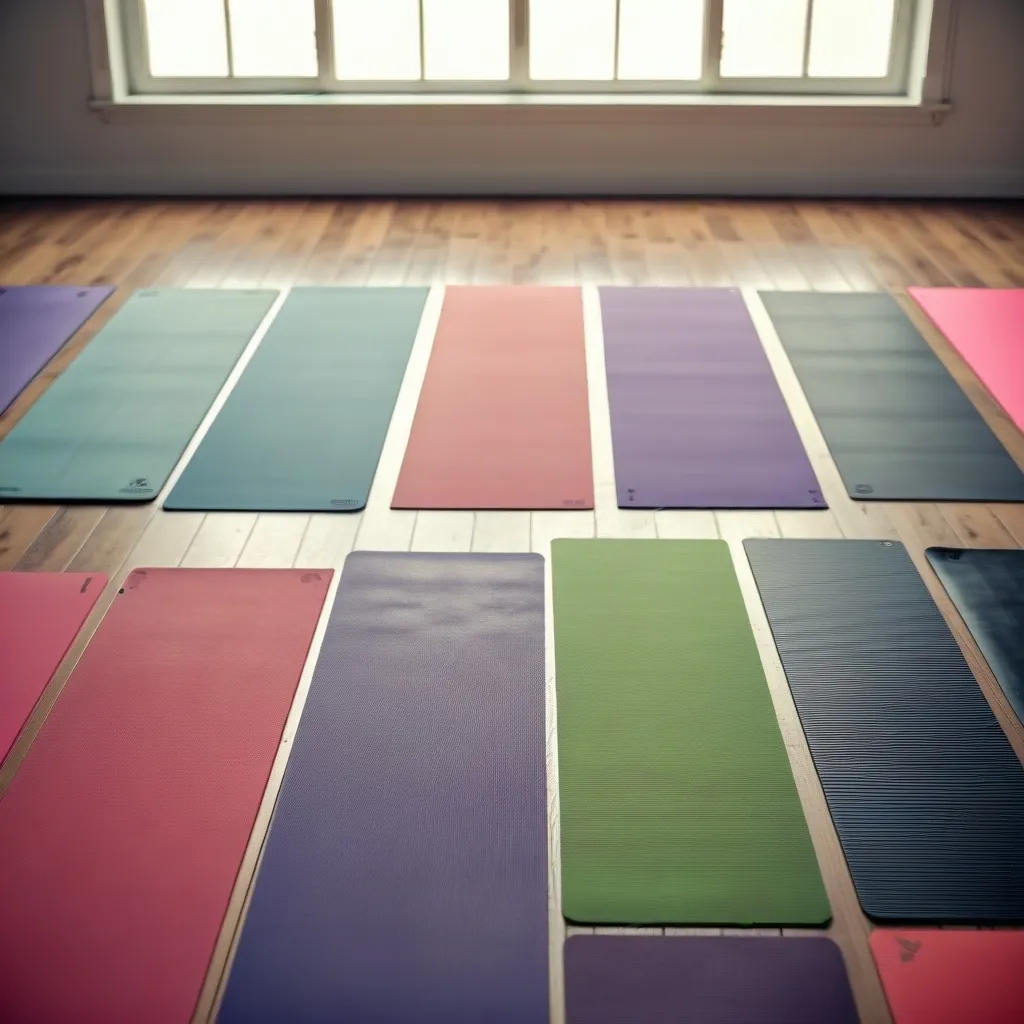
Don’t forget about style! Your mat is like your yoga buddy, so pick one that makes you happy. Maybe it’s a bright color that energizes you or a calming pattern that helps you focus. Whatever it is, choose a mat that you love looking at. It might just motivate you to practice more often!
Your body type and practice style play a big role in choosing the right mat too. If you’re on the larger side or have joint issues, a thicker, denser mat will give you better support. Smaller, more flexible yogis might prefer thinner mats for better stability.
Are you into Power yoga? Look for a mat that can handle high-intensity movements without slipping. Natural rubber or polyurethane mats are great for this. For Progressive yoga, which needs more cushioning, TPE mats are a solid choice.
Durability is key, especially if you’re practicing every day. PVC mats are easy to take care of but might not last as long as natural rubber or TPE mats. These eco-friendly options can take more wear and tear, but they might need a bit more TLC.
If you’re all about being eco-friendly (and let’s face it, we all should be), steer clear of PVC mats. They’re not biodegradable and just end up sitting in landfills. Instead, go for mats made from natural materials. They’re better for the planet and often provide better grip and durability.
Here’s a cool idea: if you can, try out different mats before you buy. It’s like test-driving a car - you want to make sure it feels right. And don’t forget to think about how you’ll be carrying your mat around. If you’re always on the move, a lightweight, foldable mat is a must.
Remember to keep your mat clean! Regular cleaning will keep it grippy and make it last longer. Plus, it’s just more hygienic, especially if you’re practicing in public spaces.
At the end of the day, choosing a yoga mat is about finding what works best for you. It’s not just about the physical aspects like thickness and material, but also about how it makes you feel. Does it inspire you to practice more? Does it support your body in the way you need? Does it align with your values?
Think about your yoga journey. Maybe you’re just starting out and want something simple and affordable. Or perhaps you’ve been practicing for years and are ready to invest in a high-quality mat that will last. Whatever stage you’re at, there’s a perfect mat out there for you.
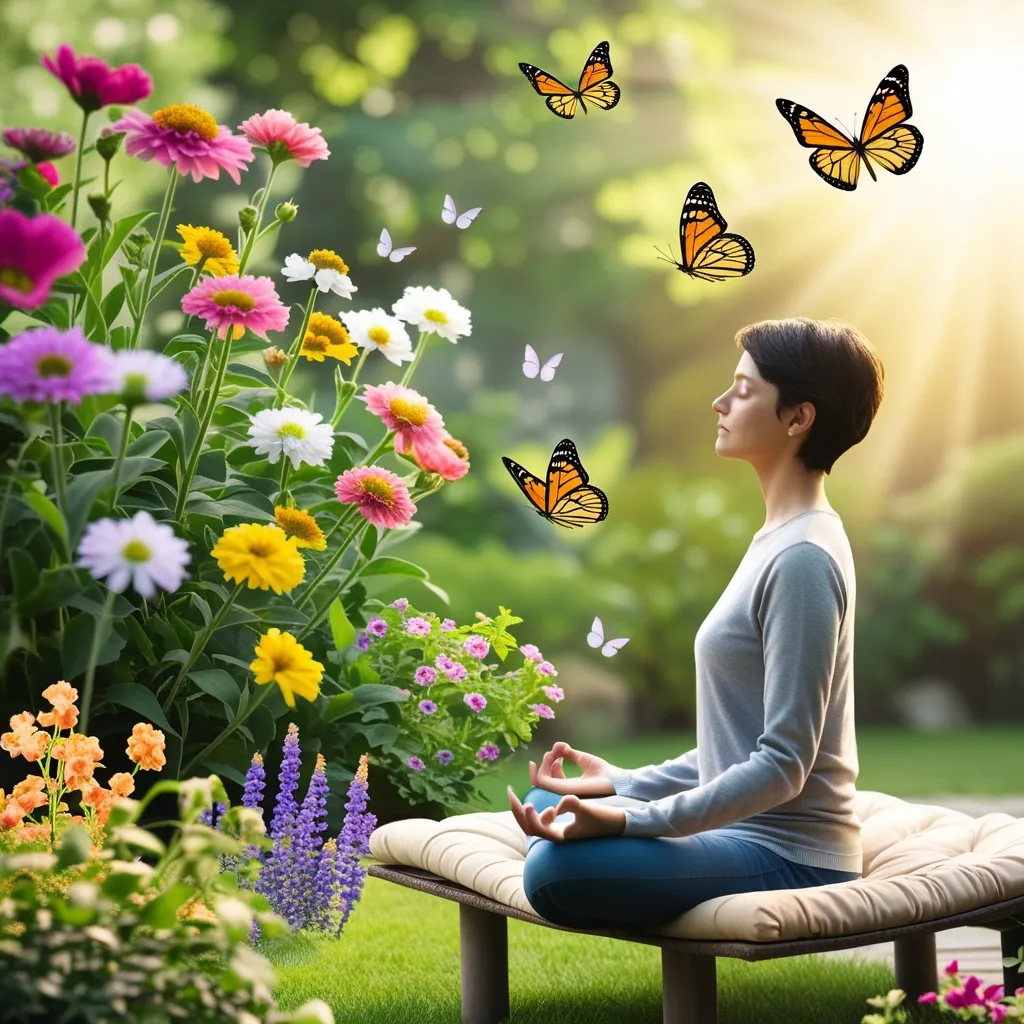
Imagine unrolling your mat for your morning practice. The color brightens your day, the texture feels just right under your hands and feet, and you feel supported and stable in every pose. That’s the kind of connection you want with your mat.
Remember, your yoga mat is more than just a piece of equipment. It’s your personal space, your island of calm in a busy world. It’s where you go to find balance, strength, and peace. So take your time in choosing, and don’t be afraid to invest in quality if you can.
In the end, the perfect yoga mat is the one that supports your practice and inspires you to keep coming back to it. Whether you’re bending into your first downward dog or flowing through an advanced vinyasa, the right mat can make all the difference.
So go ahead, explore your options, and find that perfect mat. Your body (and your practice) will thank you for it. Happy mat hunting, and namaste!