How Ancient Celtic Daily Habits Can Transform Your Modern Life and Restore Inner Balance
Discover 5 simple Celtic daily habits that bring calm and balance to modern life. From dawn rituals to seasonal eating, learn practical traditions for mindful living. Start your journey today.
I’ve found a simple way to anchor my modern busy life: looking to Celtic traditions, not as romantic relics, but for real daily habits that renew calm and connection. These habits aren’t elusive rituals or nostalgia—they’re practical, direct, and surprisingly effective for restoring a sense of balance. If you’ve ever woken up already weary, or collapsed into bed feeling like the day got away from you, you’re not alone. The Celts faced their share of chaos and uncertainty, yet their rhythms helped them foster presence, resilience, and community. Their wisdom feels as relevant now as ever.
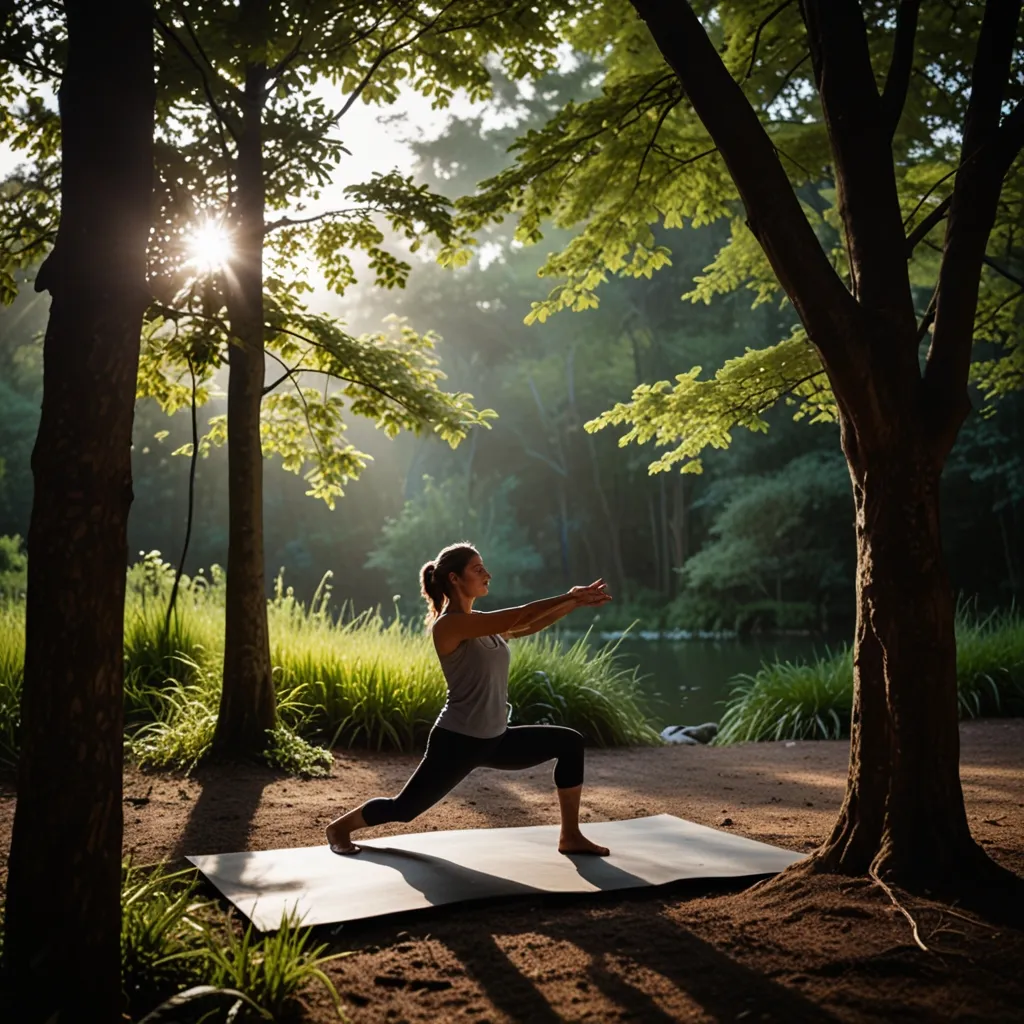
Let’s start at the beginning of the day. The Celts placed deep value on dawn, not just as a time to get going, but as a sacred threshold. Imagine stepping outside before your mind starts racing. You stand, just five minutes, feeling the changing air, catching the colors as the sun breaks the horizon. Here, you aren’t planning, you’re just witnessing. Do you ever notice how fast the sky moves? How the sound of birds shifts in those early minutes? This daily greeting isn’t about productivity; it’s about remembering you belong to a bigger cycle. Light sets your internal clock, steadying your mood and focus for the day ahead. If you make dawn observation your ritual—even if you aren’t a morning person—you might notice stress receding a little before it even arrives.
“The day shall come when the dawn will break, and the shadows flee away.”
— Ancient Celtic Blessing
After dawn, I find it necessary to ground myself before screens or tasks take over. The Celts relied on their hands for so much—spinning, weaving, carving, shaping useful objects not just for survival but as daily meditation. There’s something visceral about working with your hands. Maybe you’ve felt it when kneading dough, or threading a needle, or whittling a stick. For twenty minutes, let yourself dive into a tactile activity: knit, sculpt, patch, carve, or even plant. I’ve noticed that when my hands are busy, my thoughts slow. This isn’t idleness; it’s a reset. When you create something tangible—even if you set it aside unfinished—you reaffirm your capacity to shape your world. What’s the last thing you made, just for the doing?
Now, consider how the Celts marked the end of day. Dusk wasn’t just a fade-out; it was a deliberate transition. As the sky darkens, pause for a few moments, away from devices and lists. Acknowledge what you’ve accomplished, and consciously let go of what remains undone. I light a single candle as I do this—a small fire to signal the shift from activity to rest. Have you ever noticed that your mind relaxes when you recognize your own effort? This practice isn’t indulgence. It’s about honoring cycles: effort and rest, striving and release. Without this pause, it’s easy to blur work and relaxation, never really letting your mind settle.
“In the quiet moments at the day’s end, the soul finds its true reflection.”
— Celtic Proverb
Community wasn’t just important to the Celts; it was woven into every gathering and ritual. One tradition that stands out is storytelling. Oral traditions went beyond entertainment. They preserved wisdom, taught values, knit people together. Try inviting friends or family for a monthly story circle—encourage everyone to share something, whether it’s a personal anecdote, a bit of folk wisdom, or a favorite old story. I’ve seen even the most reluctant guests light up as they recall tales from their childhood or invent new ones. Why do we remember stories so well? It’s because, at heart, we still learn and heal through shared words. In a world flooded with information, what stories do you hold that others need to hear?
“After nourishment, shelter and companionship, stories are the thing we need most in the world.”
— Philip Pullman
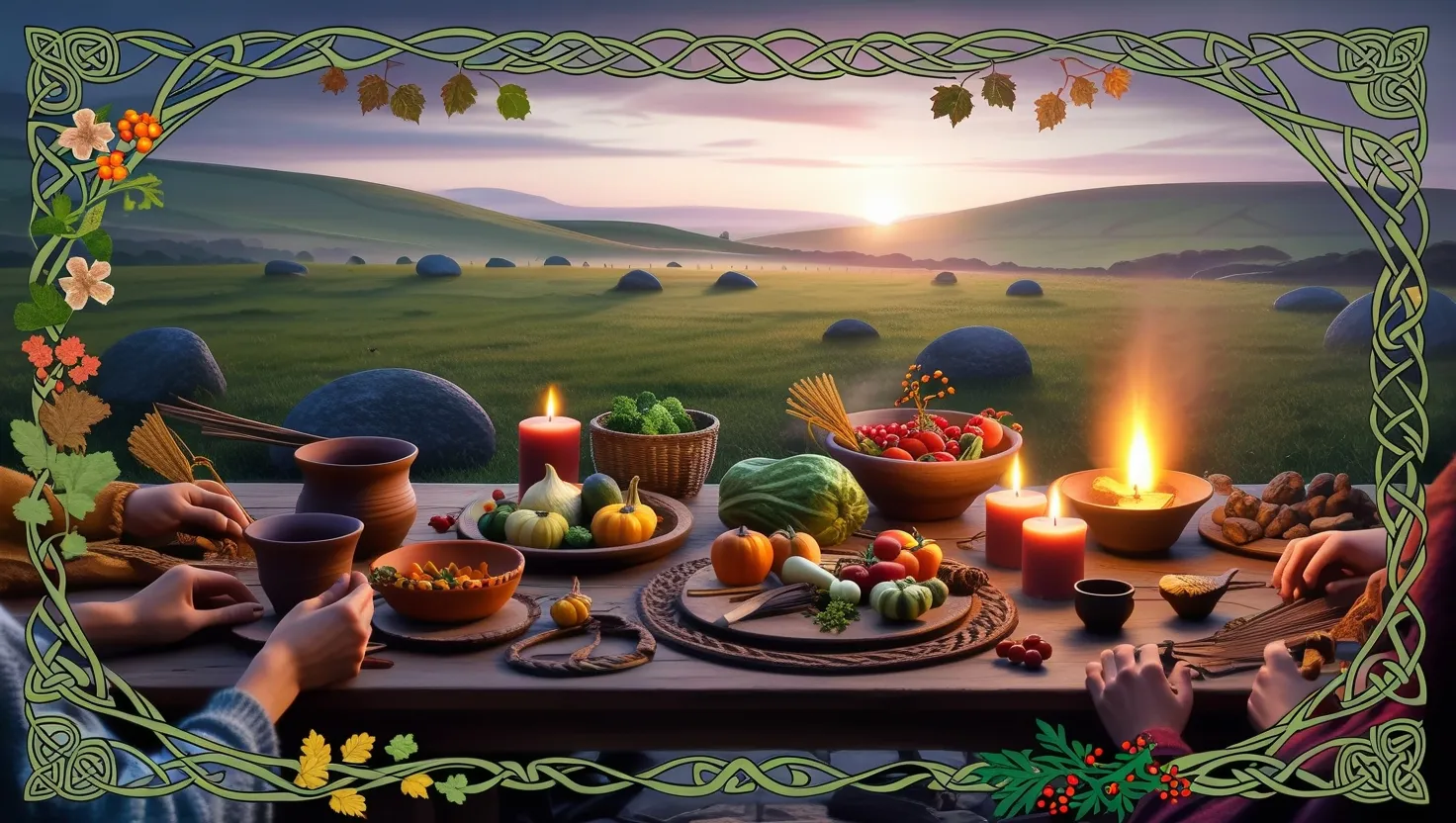
Eating was never just fuel for the Celts. Meals marked season and place; ingredients were chosen from what grew nearby, shifting with the calendar. When I plan meals, I look first at what’s local and in season—fresh greens in spring, berries in summer, roots in winter. Shopping at a farmers’ market gives me a direct connection to the sources of my food. Perhaps you grew up with a garden, or remember the taste of something truly ripe and fresh. This small act roots you in your environment. What’s available right now? What has the season brought to your table? Eating this way supports local growers but also tunes your body’s rhythms to the world outside. It’s a simple practice, but it brings a quiet satisfaction.
I’m often asked: Are these habits really enough to bring balance in a world as complex as ours? My answer is yes—and not because they’re magic, but because they create predictable spaces for stillness, creativity, reflection, connection, and nourishment. They won’t solve every problem, but practiced consistently, they can change the way you experience your days. Do you feel overwhelmed by trying to change everything at once? Start with just one of these practices, and notice the difference over time.
The Celts didn’t compartmentalize spiritual life from daily tasks. For them, washing, walking, working, and eating were all steeped in meaning. If you let yourself approach each day’s beginnings and endings with intention, use your hands to calm your thoughts, share stories to build belonging, and eat with the seasons, you start to experience your life as a coherent flow—not just a blur of demands. These habits aren’t about perfection. They’re about weaving a thread of meaning through the ordinary fabric of each day.
So, as you step into tomorrow, will you take a moment to stand in the new light? Will you let your hands remember the pleasure of shaping something real? What story will you tell, and who will you invite to the table? Celtic wisdom asks not for grand gestures, but for presence—in the small, repeatable habits that quietly reshape your life.
“Life is not measured by the number of breaths we take, but by the moments that take our breath away.”
— Vicki Corona
In a world that often feels disconnected, the gentle discipline of these daily habits might be the firmest ground you find.