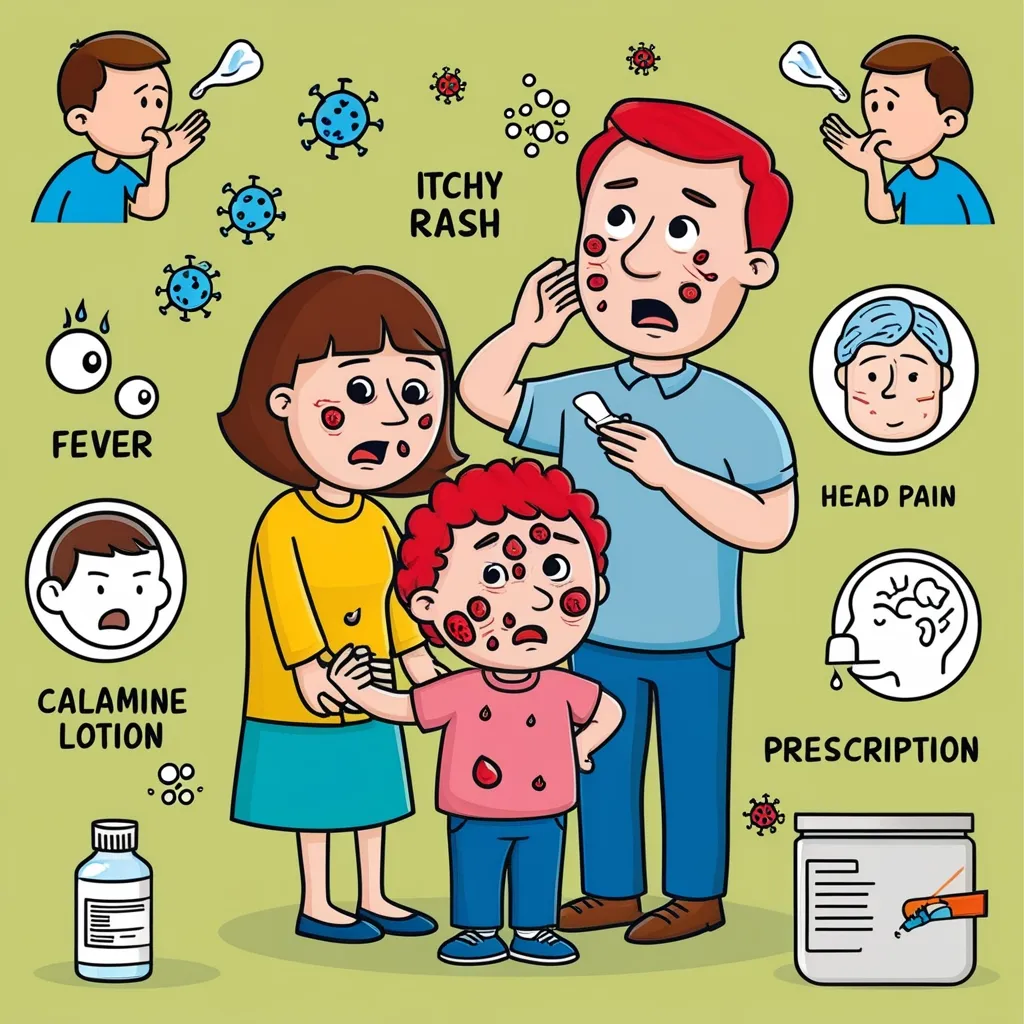
Hepatitis might sound like a medical term you’d rather not think about, but it’s super important to have it on your radar. This sneaky condition is actually a viral infection that goes straight for the liver, causing inflammation that can lead to serious, long-term damage. And you know the liver—a superstar organ responsible for detoxifying our blood, storing vitamins, and producing crucial hormones.
There aren’t just one but several types of hepatitis. Let’s go through the main ones: Hepatitis A, B, and C. Each type has its own quirks and ways it prefers to crash your body’s party.
Starting with Hepatitis A, it usually spreads through food or water that’s been contaminated. It loves unclean environments—think places where sanitation isn’t up to snuff. The good news is, it’s mostly an acute condition, meaning it comes and goes within about six months. Plus, most people walk away without any permanent damage. However, Hepatitis A can get pretty intense, especially if you’re older or already have liver issues.
Hepatitis B and C play the long game and can be acute or chronic. Hep B gets around via bodily fluids like blood and semen. It can also spread from mom to baby during childbirth. Sadly, about 15-25% of those infected with chronic Hep B end up with some really nasty complications like liver cancer and cirrhosis.
Hep C prefers a more direct route—blood-to-blood contact, such as sharing needles. It’s also a pro at turning chronic, with a whopping 75-85% of those infected developing long-term liver problems.
Alright, let’s talk symptoms. Hepatitis doesn’t always make a noisy entrance. When it does, you might see some yellowing of the skin and eyes (that’s jaundice), along with fatigue, nausea, vomiting, fever, dark pee, and stomach pains. In chronic cases, it’s that much more sneaky. Symptoms might chill in the background until your liver is pretty damaged. Reduced ability to detoxify the blood can also lead to mood changes and forgetfulness.
How do you figure out if you’ve got hepatitis? Blood tests are your best bet. They can detect the virus and any antibodies your body has thrown at it. For chronic infections, doctors might use imaging studies—like ultrasounds or MRIs—and possibly liver biopsies to really see what’s going on inside.
Now to the treatment plans, because everybody loves options, right?
For Hep A, there’s no specific treatment. Patients are generally advised to hit the hay often, stay hydrated, and eat well. The virus typically clears out on its own in about six months. A vaccine can prevent this type, so definitely consider it if you’re traveling to a place with iffy sanitation or already have liver problems.
Moving on to Hep B; it’s not usually treated unless it goes chronic. For those cases, antiviral meds like entecavir, tenofovir, and interferon are the real MVPs. They work by slowing down the virus replication and preventing liver damage. And hey, there’s a highly effective vaccine for Hep B, which is part of routine shots for babies now.
Hep C got the memo on modern treatment. Antiviral meds like glecaprevir/pibrentasvir and sofosbuvir/velpatasvir can pretty much knock it out, usually within 8-12 weeks. And yep, regular blood tests are part of the package to monitor your progress.
Regardless of the type, lifestyle changes are clutch. Avoiding alcohol is non-negotiable. This stuff can go to town on your liver, making a bad situation worse. Also, steer clear of unprotected sex to avoid spreading Hep B and C.
In super severe cases, where hepatitis messes up your liver to the point of failure or causes liver cancer, a liver transplant might be necessary. This isn’t a quick fix, though. The evaluation process for a transplant is long and super detailed, so you’ll want to get the ball rolling early if things take a turn for the worse.
Prevention is huge. Vaccines for Hep A and B are lifesavers—literally. These are especially recommended for those at risk. For Hep C, there’s no vaccine yet, but you can avoid risky behaviors like sharing needles to keep the virus at bay.
Hepatitis is nothing to sneeze at. It’s a serious condition that begs for immediate medical attention and long-term lifestyle tweaks. Knowing the symptoms, how to get diagnosed, and your treatment options is essential. By taking preventive measures and sticking to treatment plans, you can dodge severe complications and live a better life. If you think you’ve had a run-in with hepatitis or are experiencing those telltale symptoms, don’t sit on it. See a healthcare provider ASAP.