Let’s talk about something that often gets overlooked when it comes to mental health: the food we eat. A balanced diet isn’t just about looking good or feeling energetic, it plays a pivotal role in our mental well-being too. You might be surprised at just how much a change in diet can improve mood, concentration, and overall mental health. Let’s explore some amazing foods that can make a real difference.
First off, nutrition is a game changer. It impacts everything, from our physical state to our mind. Eating the right foods fuels our bodies, helping us function at our best. On the flip side, a diet full of junk food can leave you feeling tired, stressed, and even down in the dumps.
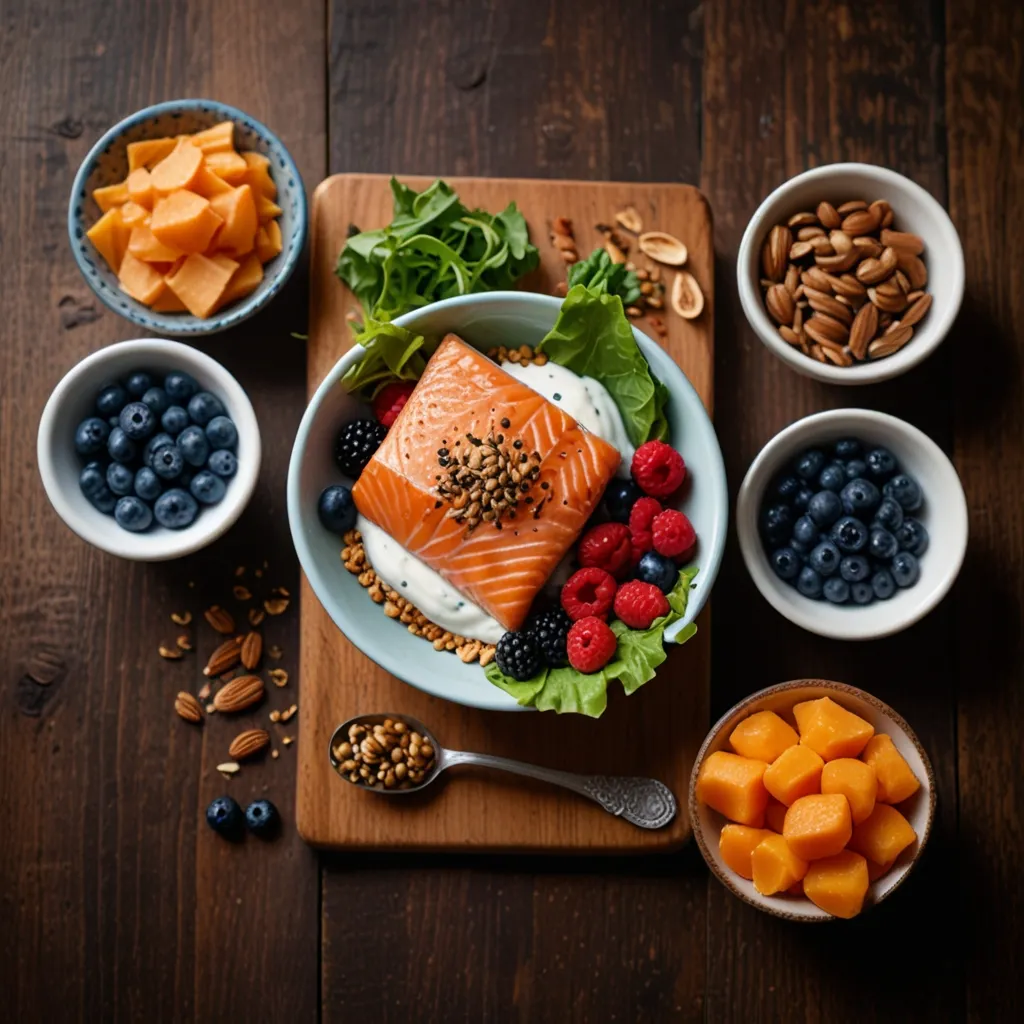
One of the biggest players in the mental health game are anti-inflammatory foods. These gems help reduce inflammation in your body—a known contributor to depression and stress. Think turmeric, ginger, nuts, seeds, fatty fish like salmon, tomatoes, berries, green leafy veggies, and olive oil. Fatty fish, for instance, is loaded with omega-3 fatty acids that can boost memory and reduce depression symptoms. It’s like fish are your brain’s best friend!
Let’s not ignore our gut health. They call it the “second brain” for a reason. A happy gut means a happy mind since it produces a lot of your body’s serotonin—one of those feel-good chemicals. Probiotic-rich foods like yogurt, kefir, sauerkraut, kimchi, miso, tofu, tempeh, and kombucha are like little heroes for your gut. If fermented foods aren’t your thing, hitting up a probiotic supplement can do wonders.
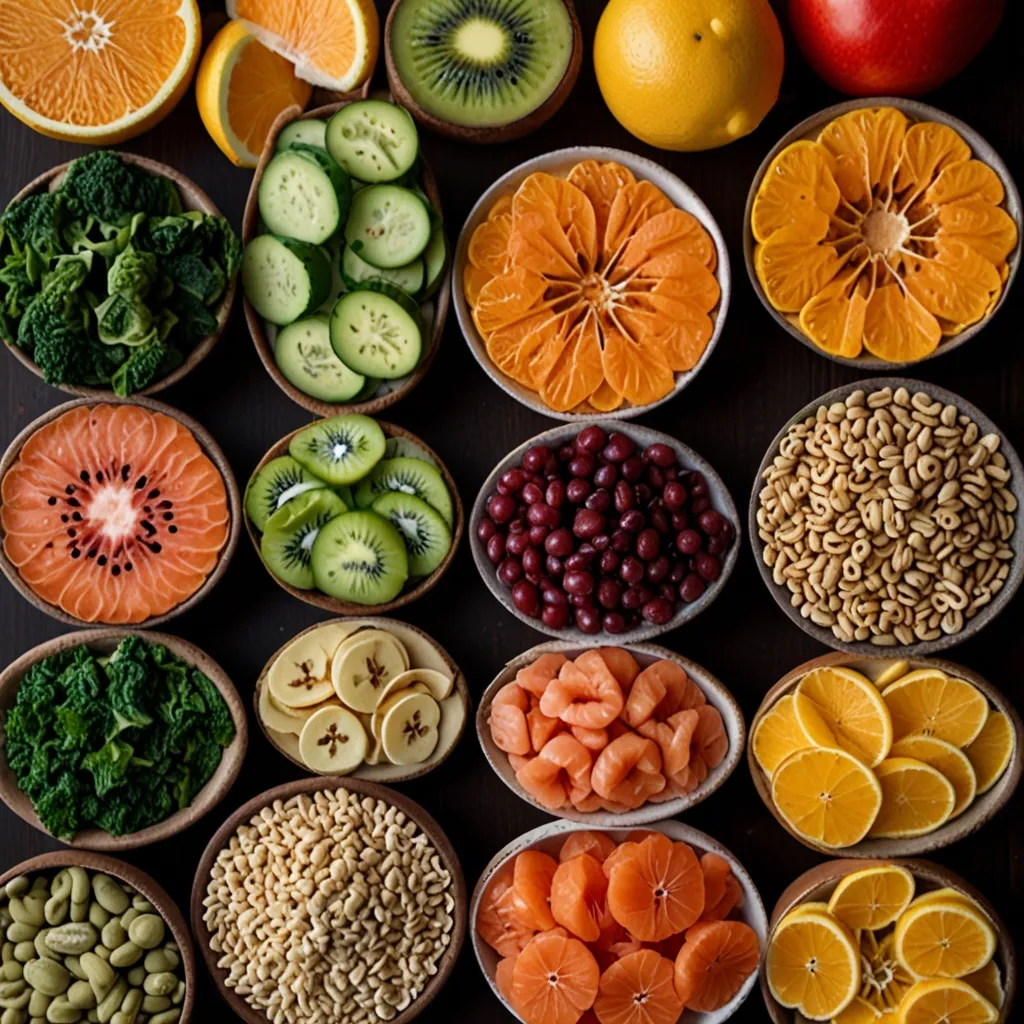
Plant-based whole foods deserve a standing ovation too. Fresher is better! Think fresh or frozen veggies, whole grains, nuts, and seeds. These foods are clean and minimally processed, giving your body essential vitamins and nutrients it craves. Leafy greens like spinach and kale are folate powerhouses, helping deter depression and even lower the risk of dementia. So, munch on those greens!
Keeping your blood sugar stable is another key aspect. Sudden spikes and drops in blood sugar can mess with your mood, making you feel sluggish or even “hangry”. Whole grains provide a steady release of glucose, which keeps your energy levels and mood stable. That means no more rollercoaster emotions!
Protein is another winner. Foods like chicken, meat, fish, and eggs are not just tasty—they’re loaded with amino acids like tryptophan, which helps produce serotonin. This neurotransmitter plays a vital role in managing mood, memory, and fighting mental disorders like depression. A good omelet can go a long way!
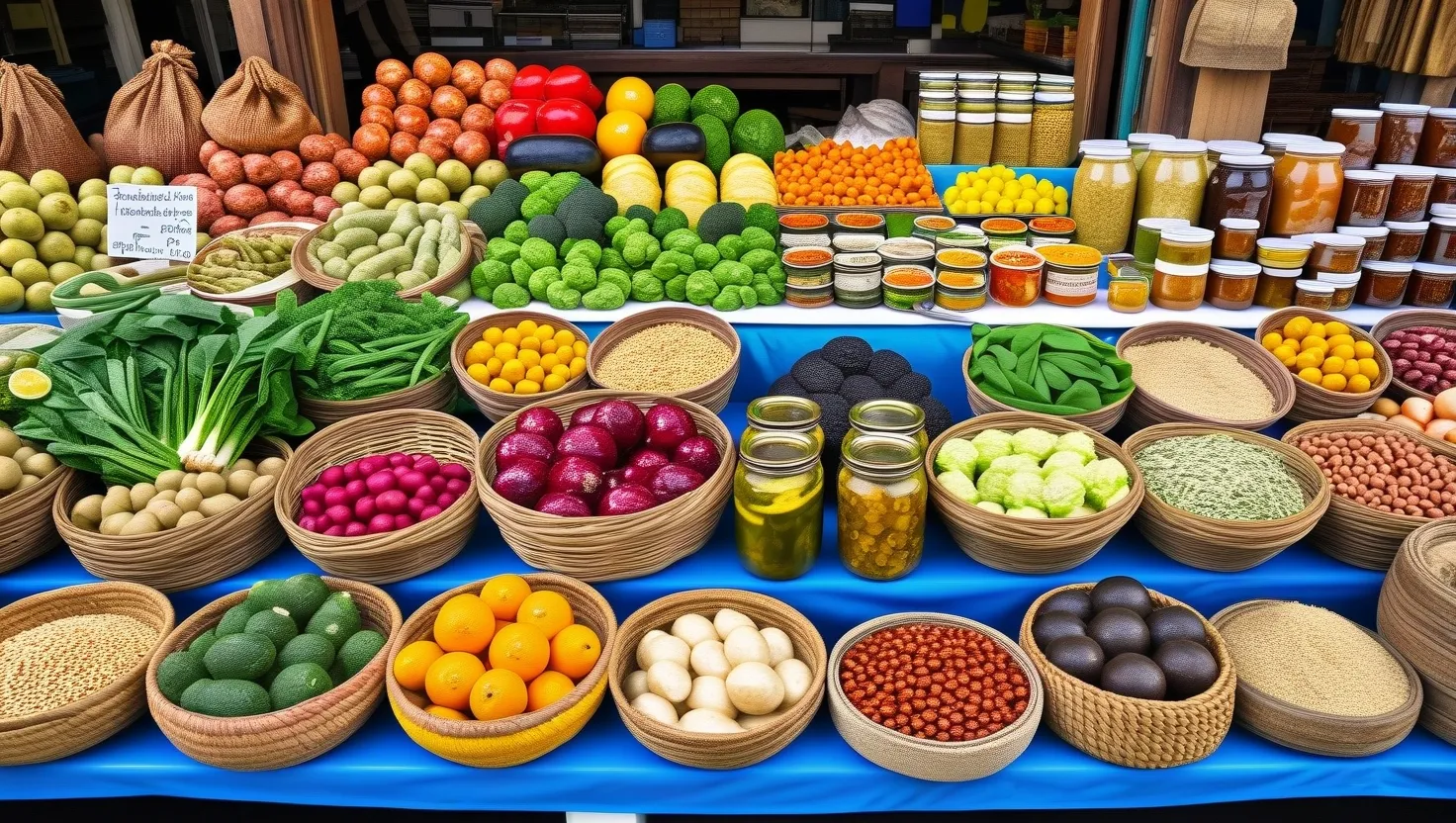
The Mediterranean diet is often hailed as king for mental health. This diet is rich in fruits, veggies, nuts, legumes, with some poultry, eggs, dairy, and a smattering of red meat. Sticking to this way of eating can lower the risk of depression and improve your mental well-being significantly. It’s like having a taste of health in every meal.
Here’s the catch—processed foods are total party crashers for your mental health. These convenient snacks are full of sugar and refined flours, training your brain to crave these instead of nutrient-packed foods. They’re addictive and stimulate the feel-good dopamine centers in your brain, creating an unhealthy cycle. Breaking up with processed foods and switching to whole, nutrient-rich foods can make a world of difference.
Don’t forget about vitamins and minerals either. B vitamins like B12 and B9 (folate) are brain health rock stars, helping produce neurotransmitters like serotonin and dopamine which keep you feeling good. Magnesium helps regulate your nervous system and can fight depression. Omega-3s from fatty fish improve mood disorders and brain function. Vitamin C can boost your immune system and impact energy, mood, and mental function. And let’s not forget the sunshine vitamin, Vitamin D, which is often linked with lower depression rates and essential for brain function and mood.
Incorporating these wonder foods into your diet can be easier and tastier than you think. Picture this: start your day with a bowl of oatmeal loaded with nuts and seeds. Lunch on a grilled chicken salad brimming with mixed greens and creamy avocado. Snack on lush berries with a dollop of yogurt. Round out your day with a dinner of fatty fish teamed up with some wholesome grains. These small, delicious changes can uplift your mental and physical state in a significant way.
So, it’s clear - eating well isn’t just about your physical health. It’s about nurturing your mind too. By choosing anti-inflammatory foods, maintaining a healthy gut, munching on plant-based whole foods, keeping blood sugars stable, adding protein-rich foods, following the Mediterranean diet, ditching the processed stuff, and ensuring you’re getting the right vitamins and minerals, you can give your mental health a real boost.
Nutrition is a cycle. When you eat well, you feel well, setting off a chain reaction of positive mental and physical changes. Start today by nourishing your body and mind with the right foods, and experience the difference it can make. Happy eating!