India’s political scene has always been a mix of movements and challenges shaping the nation since independence. One standout movement is the surge in Hindu nationalism, tied closely to parties like the BJP and driven by the organized efforts of the RSS. This group, with its disciplined base, has significantly backed Hindu nationalist causes, turning a niche idea into a leading political force.
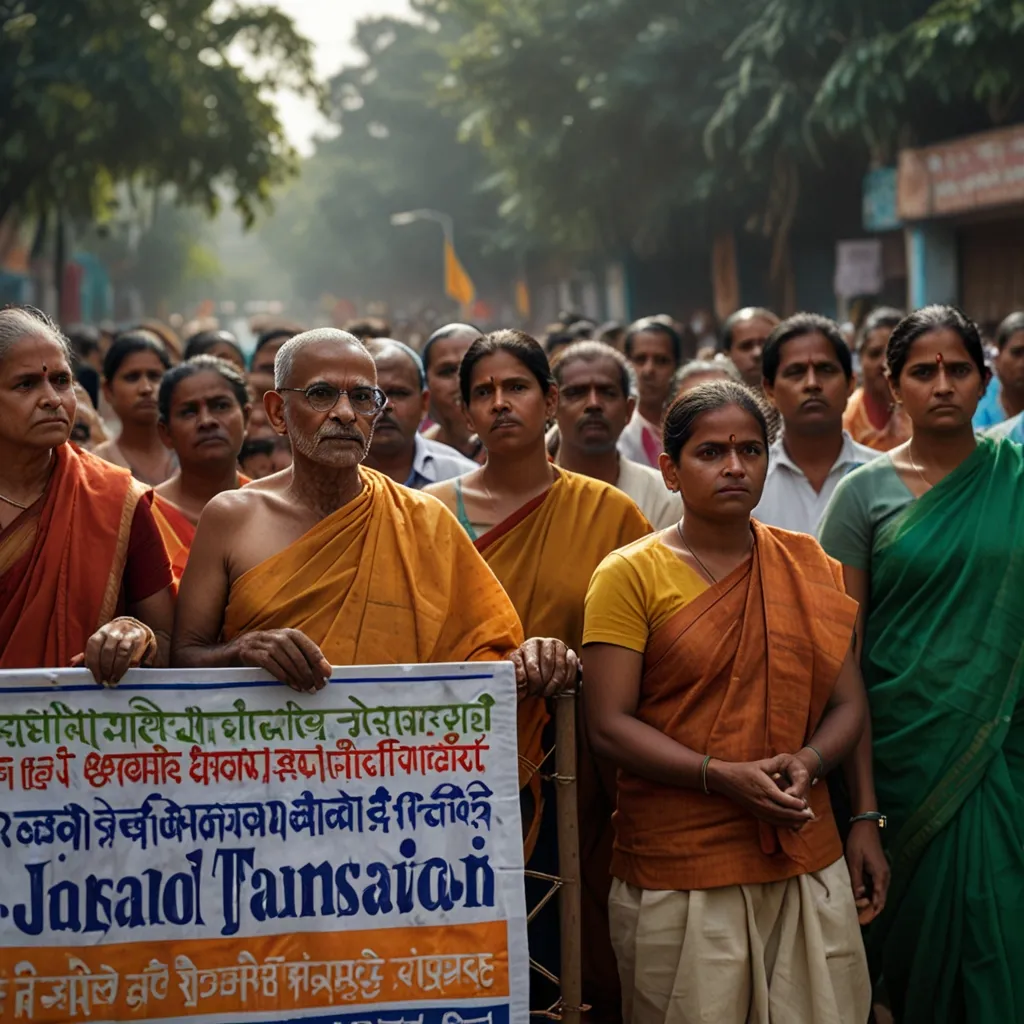
Another big movement to note is the Bharat Jodo Yatra, led by Rahul Gandhi. This was a huge 146-day, 2,500-mile march across India aimed at addressing economic inequality and social injustice, showing off the strength of grassroots mobilization with thousands joining in.
India’s politics also sees a strong influence from regional parties and local identities. As democracy deepens, local issues gain more traction in elections, making national politics more intricate. Often, these regional parties hold the keys in coalition governments, adding layers to the political landscape.
Colonial history and the nationalist struggle are still very much in the mix. Leaders like Mahatma Gandhi and Jawaharlal Nehru led the charge for a democratic and secular India, but the 1947 partition left lasting impacts. The colonial past still shapes India’s political structures today.
Recently, there’s been a noticeable rise in communal tensions and militant nationalism. Tensions between different religious groups have spiked, challenging the secular ideals and creating complex hurdles for the central government’s unification goals. Adding to this complexity is the rise in regionalism.
Movements for social and economic justice continue to play a critical role. Groups advocating for Dalits and tribals push hard to rectify historical wrongs and promote equal opportunities. These struggles highlight the ongoing fight for a fair society.
Economic shifts have also left a mark. The Green Revolution transformed agriculture in the 1960s while later economic reforms opened India to global markets. But with these changes came increased economic gaps and social unrest.
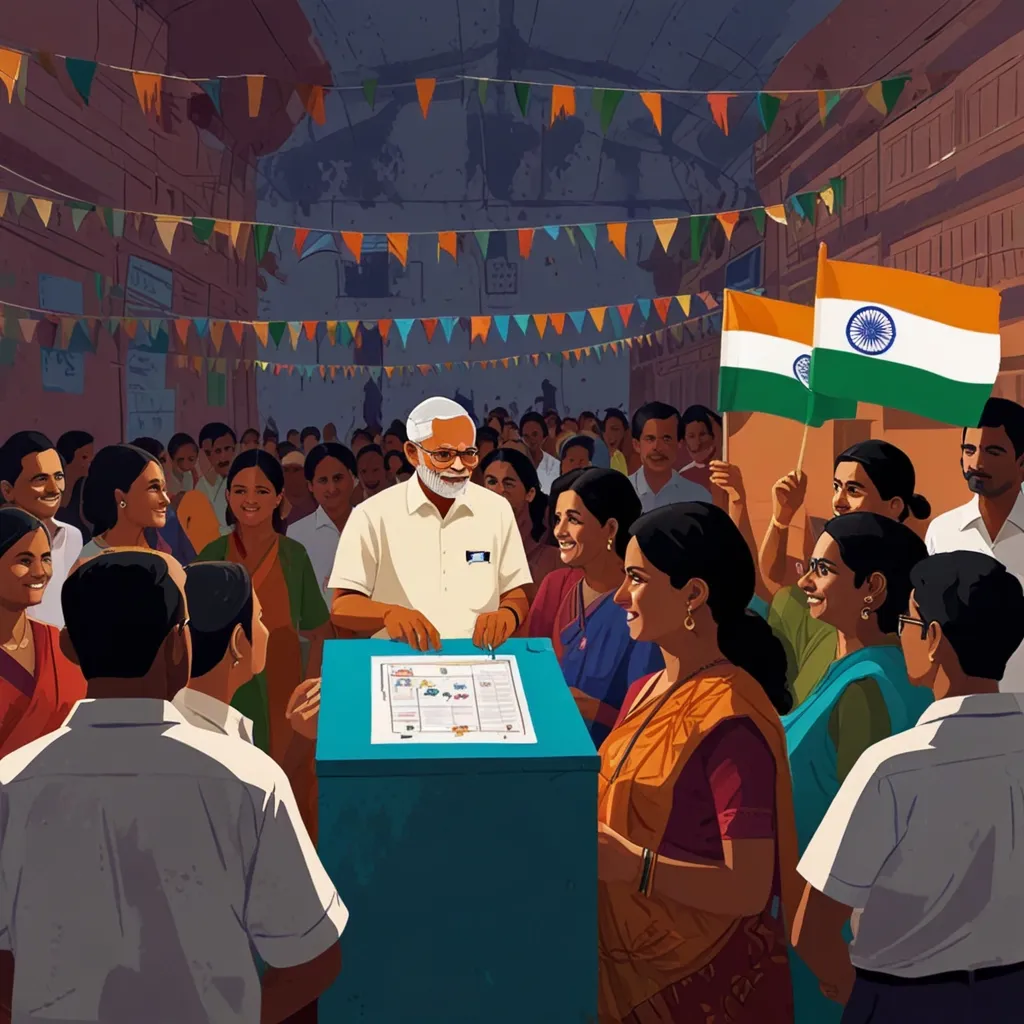
The rise of technology and the widespread use of smartphones have revolutionized Indian politics. Social media has become a vital tool for political engagement and communication, offering leaders a direct line to voters and democratizing information access.
Despite these advancements, India faces substantial hurdles. Persistent issues like corruption, bureaucratic inefficiency, and the overpowering influence of money in politics make governance tough in a diversely populated and socio-economically complex country.
In essence, India’s political movements since independence mirror the nation’s pursuit of fairness and justice. From the rise of Hindu nationalism to ongoing social justice battles, the political landscape is a reflection of its historical roots and the contemporary forces at play. As the country evolves, its politics will remain vibrant and challenging.