What Ripple Effect Did One Day in 1941 Cause?
America's Wake-Up Call Amidst the Tranquil Hawaiian Skies
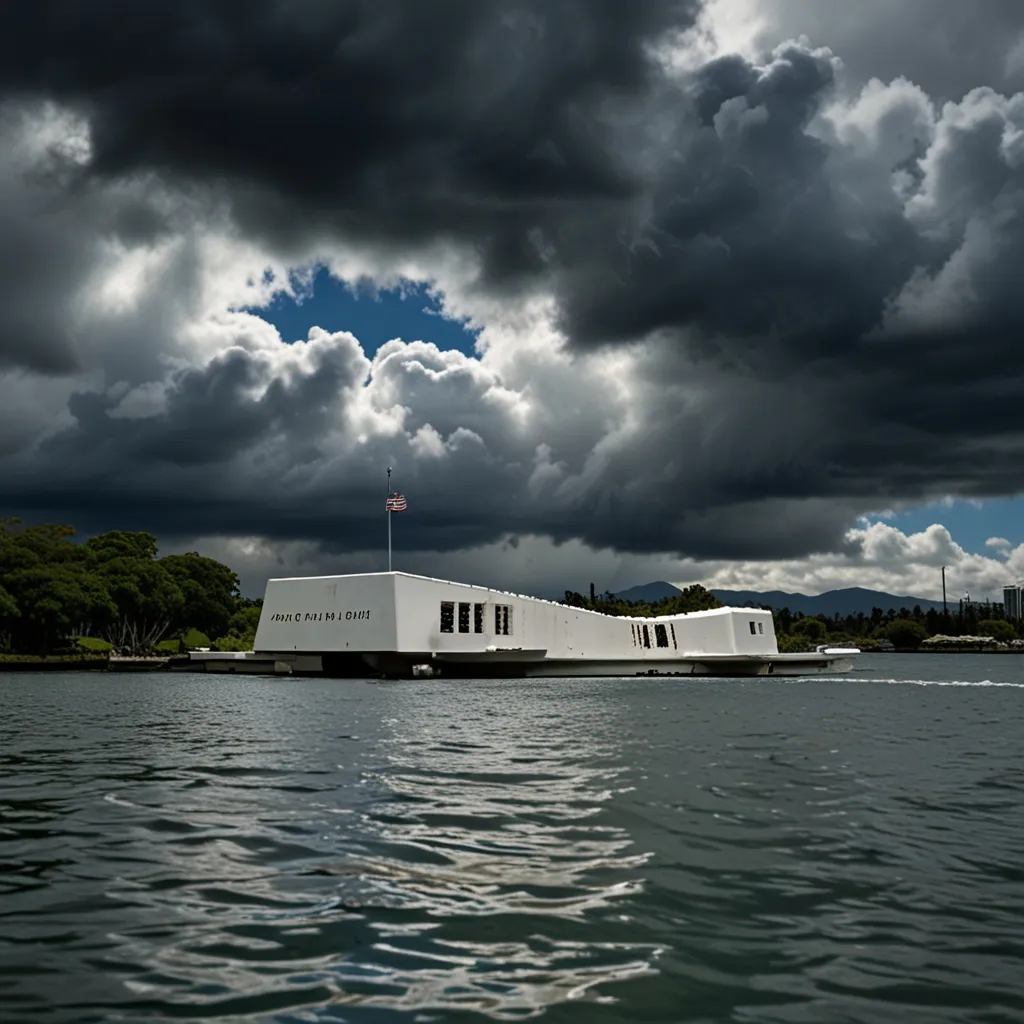
Imagine a day that changed the course of history forever. A day that left an indelible mark on the world. This day is known as “a date which will live in infamy.” It’s a phrase that echoes through time, reminding us of the sudden and deliberate attack on the United States of America. This infamous event is none other than the attack on Pearl Harbor, which occurred on December 7, 1941.
On that fateful morning, the tranquility of the Hawaiian islands was shattered by the sound of bombs and gunfire. The Japanese launched a surprise attack on the U.S. naval base at Pearl Harbor, catching the American military off guard. The attack was swift and devastating, resulting in the loss of thousands of lives and the destruction of numerous ships and aircraft.
The aftermath of the attack was chaotic. Panic and confusion gripped the nation as news of the attack spread like wildfire. The U.S. government quickly sprang into action, mobilizing its military and declaring war on Japan. This marked the beginning of America’s involvement in World War II, a conflict that would last for four long years and claim millions of lives.
The attack on Pearl Harbor was not just a military assault; it was also a psychological blow to the American people. It shattered the illusion of safety and security, making it clear that the United States was not immune to the global conflict. The event galvanized the nation, uniting Americans in their determination to defend their country and its values.
In the years following the attack, the U.S. military underwent significant transformations. New strategies were developed, and technological advancements were made to ensure that such a surprise attack would never happen again. The memory of Pearl Harbor served as a constant reminder of the importance of vigilance and preparedness.
Today, Pearl Harbor is remembered as a symbol of sacrifice and resilience. The USS Arizona Memorial, which stands over the sunken battleship, is a poignant reminder of the lives lost that day. Visitors from around the world come to pay their respects and reflect on the significance of this historical event.
The phrase “a date which will live in infamy” was first used by President Franklin D. Roosevelt in his speech to Congress on December 8, 1941. It captured the essence of the attack and its impact on American history. The speech was a call to action, urging Americans to stand together against the forces of tyranny and oppression.
In conclusion, December 7, 1941, is a date that will forever be etched in the annals of history. It serves as a reminder of the importance of unity and vigilance in the face of adversity. The attack on Pearl Harbor was a turning point in World War II, and its legacy continues to shape our world today.