What Made Rani Lakshmibai the Fearless Warrior Queen of Jhansi?
Unyielding Spirit of Jhansi: The Legend of Rani Lakshmibai
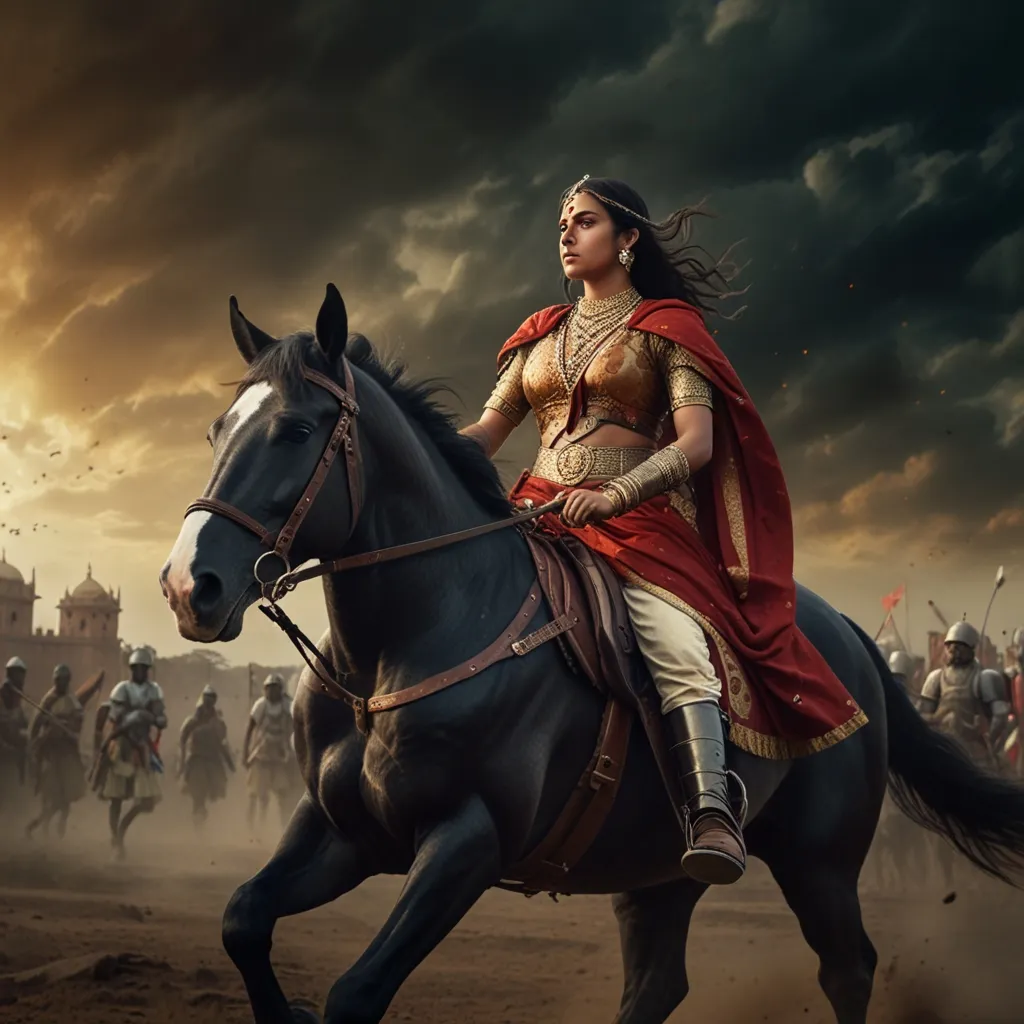
Rani Lakshmibai, the fierce queen of Jhansi, played a crucial role in the Indian Rebellion of 1857. Coming from a Maratha family, she was known for her courage, smarts, and fighting skills. Her journey to becoming a legendary freedom fighter started early in the Peshwa’s household, where she learned sword fighting and horse riding.
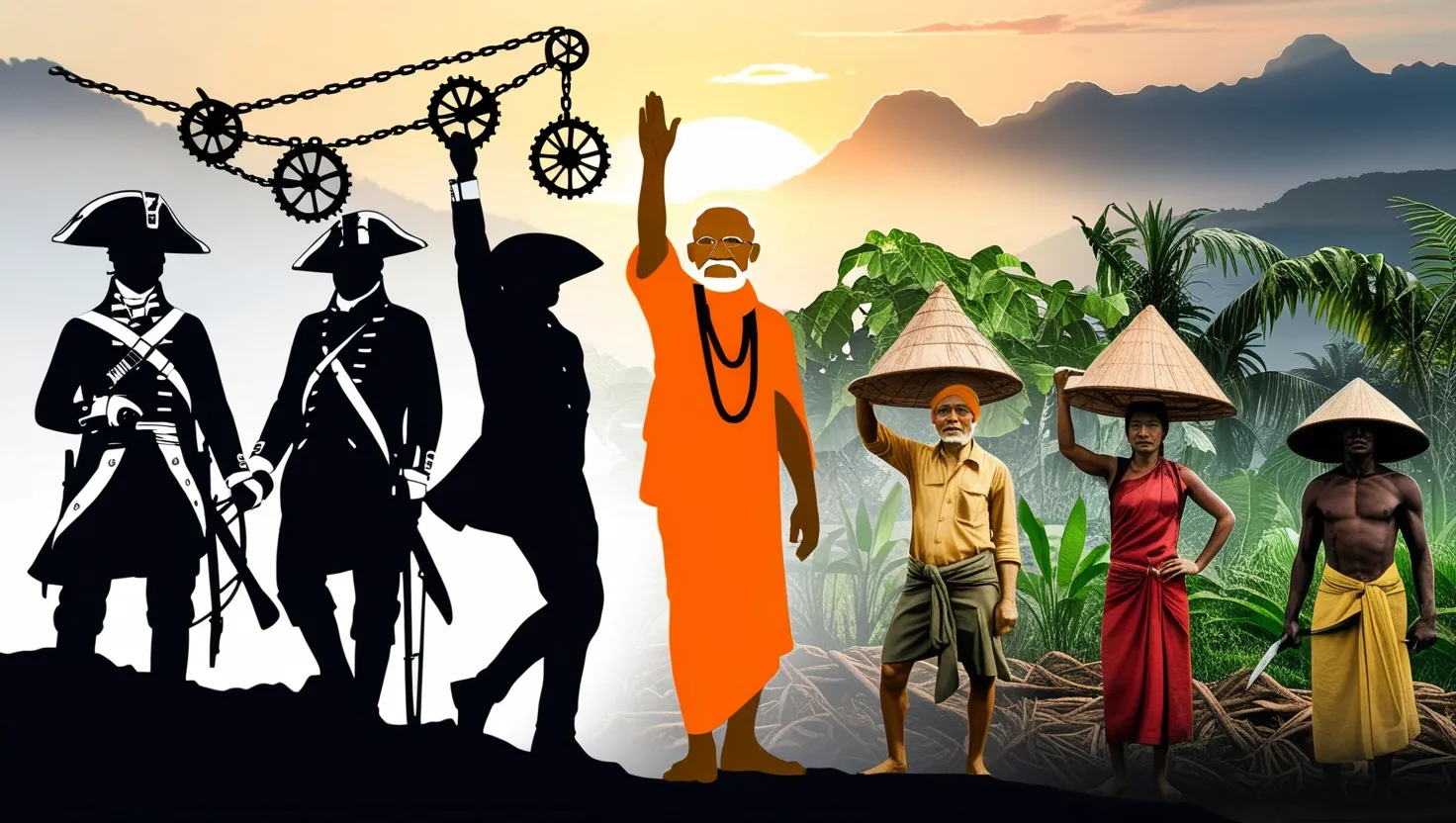
After marrying Maharaja Gangadhar Rao of Jhansi, her life took a sharp turn when he died without a natural heir. Following tradition, the Maharaja adopted a boy just before his death. But Lord Dalhousie, the British governor-general, didn’t accept the adopted son and annexed Jhansi under the Doctrine of Lapse. This policy let the British control Indian states without a male heir.
This Doctrine of Lapse pushed Lakshmibai to rebel. Denied ownership of her kingdom and offered a small pension, she refused to leave Jhansi’s fort. The rebellion kicked off in Meerut in 1857, and Lakshmibai was made regent. She quickly organized her troops to defend her land.
Lakshmibai’s leadership was incredible. She united her forces and teamed up with other rebels like Tatya Tope. When British forces led by General Sir Hugh Rose attacked Jhansi in 1858, she didn’t back down. Under her lead, the battle raged for two weeks. They were outnumbered, but she never lost spirit, inspiring her troops with her bravery.
After Jhansi fell, Lakshmibai fled to Kalpi and then Gwalior, continuing the fight. Her final battle was near Gwalior at Kotah-ki-Serai, where she died on June 17, 1858. Her death was a huge blow to the rebellion, but she became a symbol of resistance and hope.
Even her enemies, including General Sir Hugh Rose, recognized her bravery. He called her the most dangerous rebel leader, admiring her beauty, intelligence, and perseverance. The 1857 rebellion was a major turning point, signaling the decline of the East India Company’s rule. Policies like the Doctrine of Lapse had fueled widespread anger and discontent.
Rani Lakshmibai’s story is a powerful reminder of courage and determination. She broke the norms of her time, fighting fiercely for her kingdom and people. Her legacy continues to inspire, reminding us of the sacrifices made by freedom fighters and the importance of standing up against injustice.
In essence, Rani Lakshmibai’s role in the 1857 revolt was that of a fearless leader battling British rule. Her courage and skills made her a formidable foe, and her legacy as a symbol of resistance lives on, inspiring future generations.