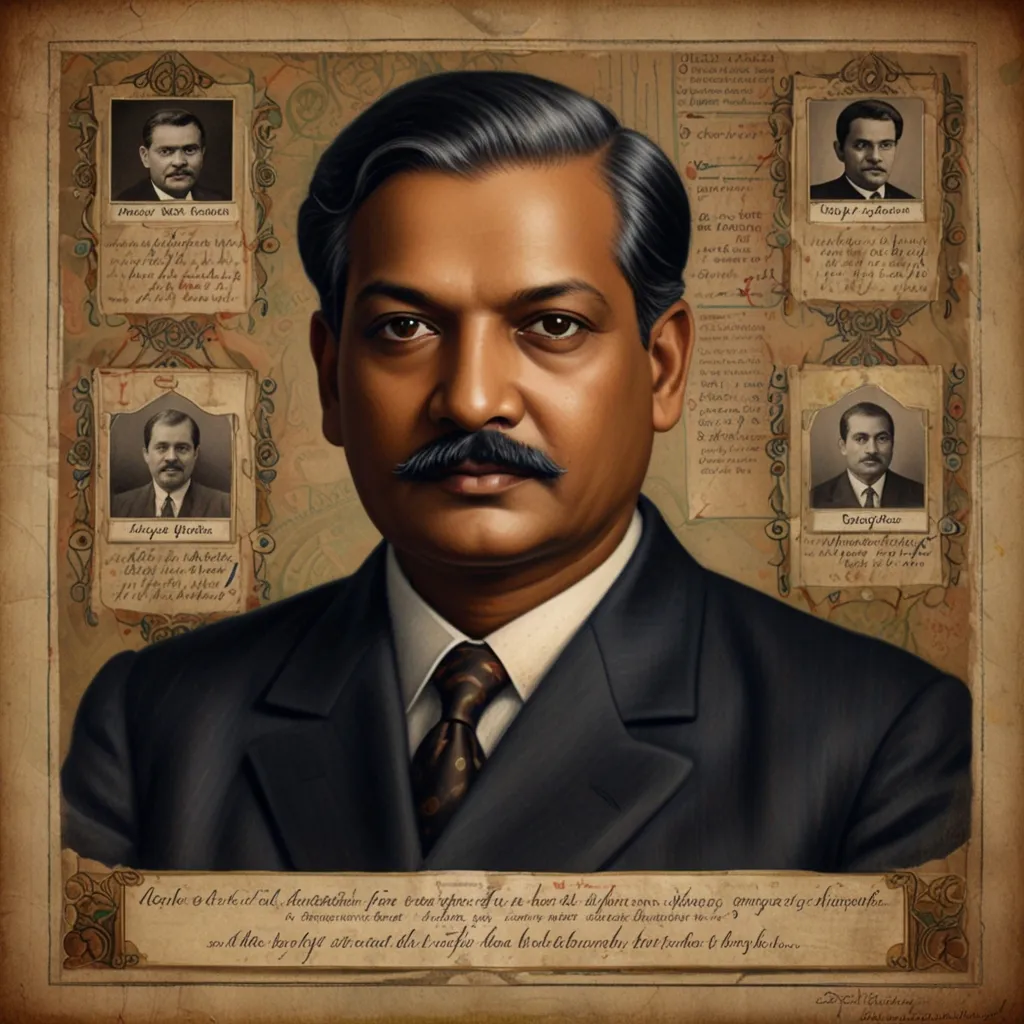
Rajendra Prasad, born December 3, 1884, in Ziradei, Bihar, was a true giant in India’s history. This guy wore so many hats, playing major roles as a politician, lawyer, journalist, and scholar. Oh, and he was the first President of India, serving from 1950 to 1962. His life story and journey to becoming the President are pretty inspiring, shaped by his deep involvement in the Indian National Congress and an unwavering push for the country’s freedom.
Prasad was a standout student at the University of Calcutta. He started his career as a lawyer at the Calcutta High Court, and later, the Patna High Court. But the fight for national freedom tugged at his heart. In 1917, Mahatma Gandhi roped him in to help improve the dire conditions for peasants exploited by British indigo planters in Bihar. This was his intro to the noncooperation movement.
He was so dedicated to the cause that he gave up his law practice in 1920. Prasad then dove into journalism, writing for Searchlight in English and founding and editing the Hindi weekly Desh. He was all about promoting Hindi as the national language. His activism caught the British authorities’ eye, landing him in jail multiple times. Between August 1942 and June 1945, he spent almost three years behind bars.
As India edged closer to independence, Prasad’s role in the Indian National Congress swelled. He was tight with Mahatma Gandhi and was a key player in forming the Bihari Students Conference in 1906— a big deal in the Indian National Movement. By 1946, he was the minister for food and agriculture in the interim government, setting the stage for full independence.
January 26, 1950, marked a milestone when Prasad was unanimously elected as the first President of India. His presidency was characterized by humility, fairness, and a deep commitment to democracy. Despite his high status, he was known for his simple lifestyle and dedication to duty. As President, he traveled the globe, building diplomatic bridges and representing India.
Prasad’s term as President was full of firsts. He got re-elected in 1952 and 1957, which no other President has matched. His tenure saw the Mughal Gardens at Rashtrapati Bhavan open to the public, quickly becoming a major attraction. He also took a strong stance on key issues like the Hindu Code Bill.
After 12 years as President, Prasad decided to retire in 1962, moving back to Patna and living on the campus of Bihar Vidyapeeth. Sadly, his wife passed away in September that year, right before the Indo-China War. Honoring his immense contribution to the nation, he was awarded the Bharat Ratna, India’s highest civilian award.
Rajendra Prasad passed away on February 28, 1963, at 78. His legacy as a freedom fighter, statesman, and the first President of India is still a huge inspiration. The Rajendra Smriti Sangrahalaya in Patna stands as a tribute to his lasting impact on Indian history and politics.