What Made Gandhi's Nonviolent Revolution So Unstoppable?
Reluctant Lawyer to Global Icon: Gandhi's Journey of Nonviolent Resistance
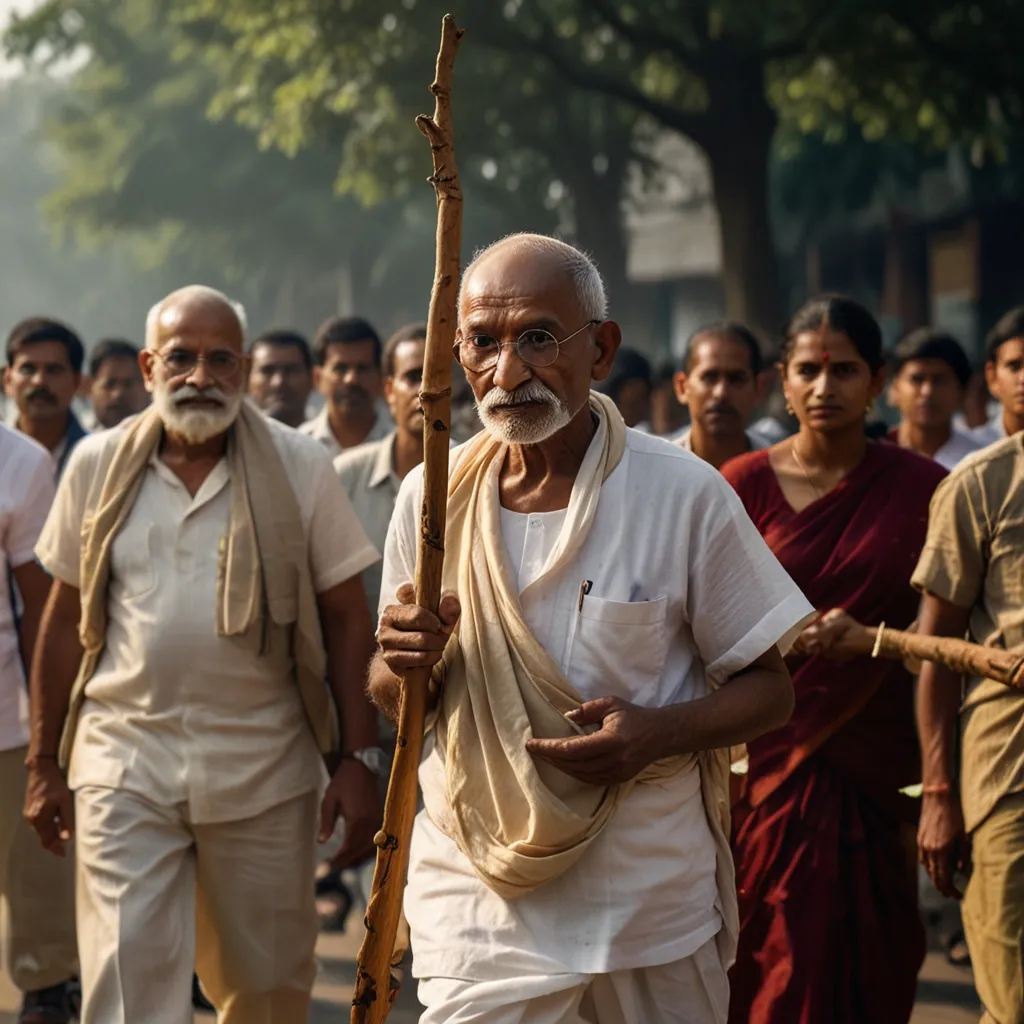
Mahatma Gandhi played a massive role in India’s independence journey. Born on October 2, 1869, in Porbandar, Gujarat, he started as a lawyer but became an anti-colonial nationalist and political ethicist. Gandhi’s main fame comes from his nonviolent resistance strategy, which sparked civil rights movements worldwide.
Growing up, Gandhi had a strong religious background rooted in Hinduism and Jainism. These faiths ingrained in him the values of nonviolence and self-discipline. After studying law in London and struggling to kickstart a legal career in India, he moved to South Africa in 1893. This move was pivotal for him.
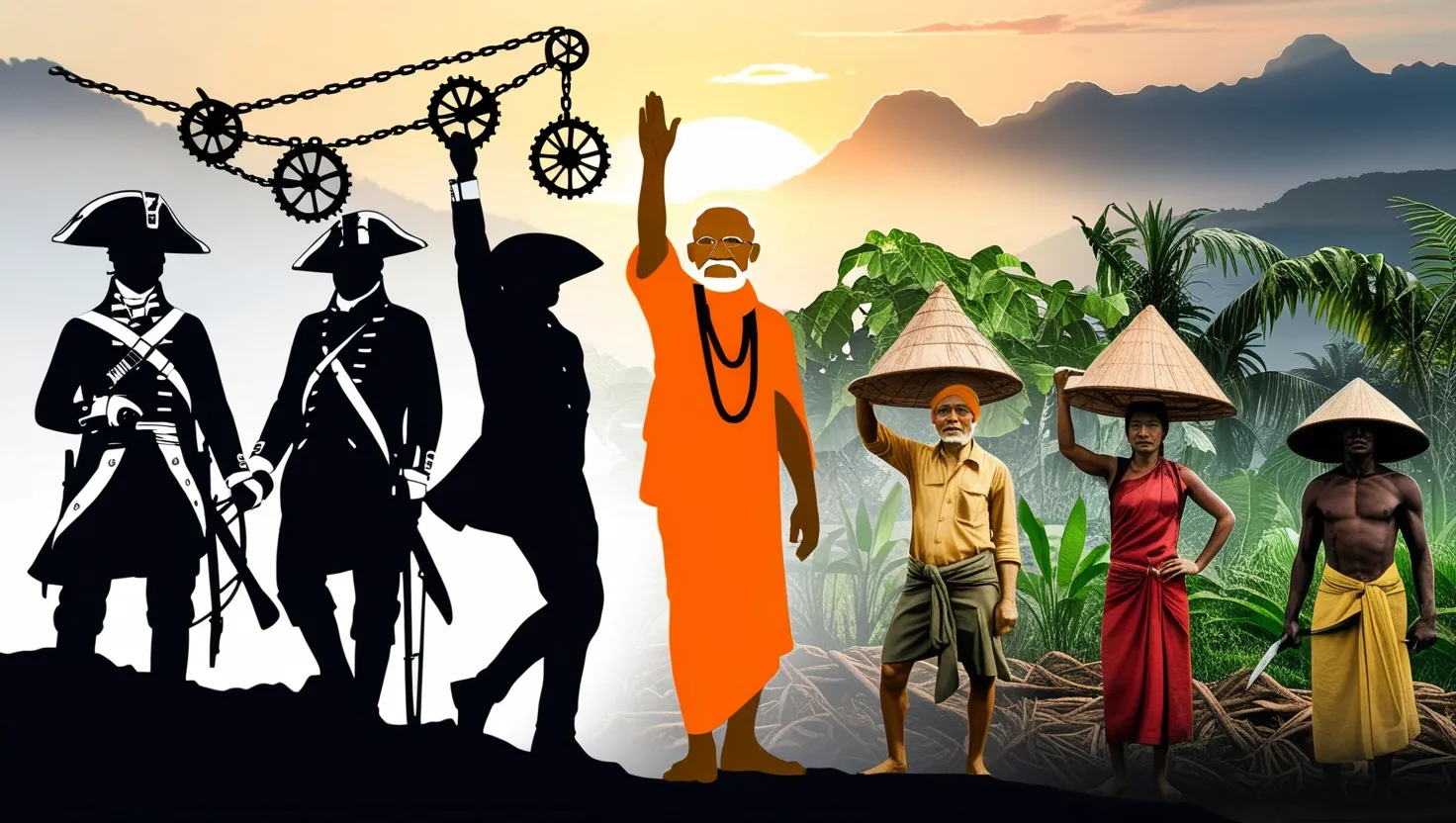
In South Africa, Gandhi faced severe discrimination. This experience pushed him into political activism. He fought against the British colonial government using nonviolent resistance, or satyagraha. This method focused on peaceful protests and civil disobedience to fight unjust laws.
Returning to India in 1915, Gandhi quickly rose to prominence in the Indian National Congress. He spearheaded campaigns to end poverty, promote women’s rights, foster religious and ethnic harmony, and abolish untouchability. His simple but powerful message connected deeply with people, earning him the title “Father of the Nation.”
One of his iconic actions was the Dandi Salt March in 1930. Gandhi led a 400-kilometer march to the sea to protest the British salt tax, which forbade Indians from making their own salt. This act galvanized resistance against British rule and drew massive support.
Gandhi’s nonviolence was more than a strategy; it was his lifestyle. He lived simply, dressed traditionally, and engaged in fasting for self-reflection and political protest. His unwavering dedication to Indian independence gained him worldwide respect and admiration.
The impact of Gandhi’s philosophy reached far beyond India. Leaders like Martin Luther King Jr. in the United States and Nelson Mandela in South Africa drew inspiration from his nonviolent resistance methods. His legacy continues to fuel global civil rights and social justice movements.
Despite his monumental contributions, Gandhi wasn’t without controversy. Some criticized his views on the caste system and certain remarks about black people during his time in South Africa. Nevertheless, his unwavering commitment to nonviolence and achieving Indian independence stands unmatched.
Gandhi’s activism led to several imprisonments in South Africa and India, including during World War II when he demanded India’s immediate independence in return for supporting the British war effort.
India gained independence in 1947, but it was a bittersweet moment for Gandhi. The nation split into India and Pakistan, triggering widespread violence and displacement. Gandhi continued to push for peace until his assassination on January 30, 1948, by a Hindu extremist.
Mahatma Gandhi’s enduring legacy shows the world that nonviolent resistance can be a mighty force for political change. His principles of simplicity, self-discipline, and nonviolence continue to inspire people everywhere.