The Indian Independence Movement wasn’t just a chapter in history; it was an epic tale filled with drama, resilience, and unwavering spirit. It spanned almost a century, starting in the mid-1800s and wrapping up in 1947 when India finally broke free from British clutches.
It all kicked off with the Sepoy Rebellion in 1857. Indian soldiers, or sepoys, were outraged over the use of rifle cartridges greased with beef and pork fat—a big no-no for Hindu and Muslim soldiers. This sparked a massive rebellion that spread beyond the military, touching every part of society. Though the Brits eventually put it down, it was the ignition the struggle needed.
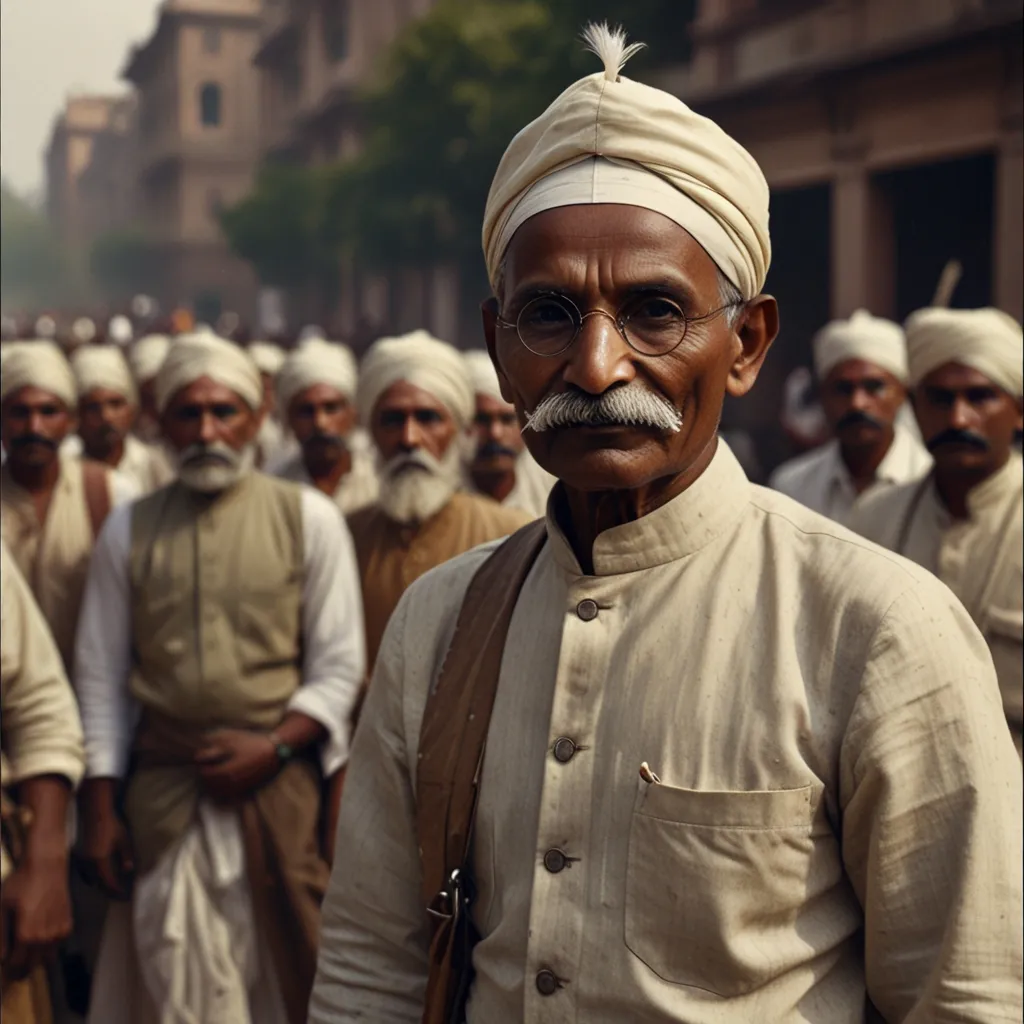
By the late 19th century, Indian nationalism was gaining steam. Educated folks started pushing for self-rule, leading to the birth of the Indian National Congress in 1885. The dream of “swaraj,” or self-rule, began to take root. When Mahatma Gandhi came into the picture in 1915, he made swaraj his life’s mission.
World War I became a turning point. Over a million Indian soldiers and workers supported the British war effort, expecting some form of self-governance in return. Britain’s response was the Government of India Act in 1919, which offered limited self-rule but fell short of expectations.
Gandhi then amped things up with his strategy of non-violent resistance. His iconic Salt March in 1930 saw thousands defy British laws by making their own salt. This movement became a rallying cry, drawing both national and global attention to India’s plight.
Things took a more intense turn in 1942 with the Quit India Movement. Gandhi called for immediate independence, leading to a brutal crackdown by British authorities. Mass arrests and violence followed, but the movement further strengthened Indian resolve against colonial rule.
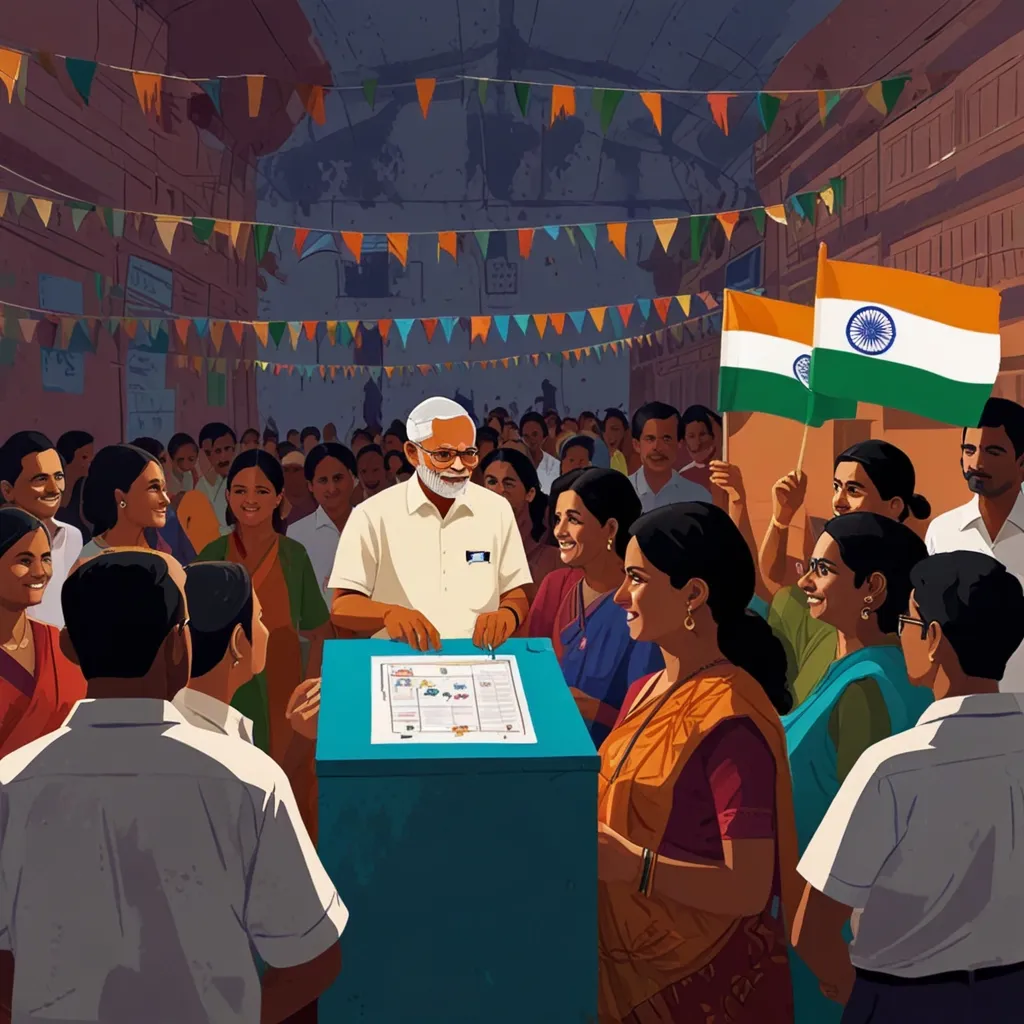
World War II weakened Britain, making it harder for them to cling onto their empire. In 1947, the Indian Independence Act was passed, and British India was partitioned into India and Pakistan. On August 15, 1947, India celebrated its hard-won independence.
Women were also key players in this movement. Figures like Sarojini Naidu, Vijaya Lakshmi Pandit, and Kasturba Gandhi championed women’s rights and ensured their active participation in the struggle. They helped make the independence movement more inclusive, adding yet another layer of strength to it.
The Indian Independence Movement was far from a simple political struggle; it was a social and cultural revolution. It saw moderates and revolutionaries, united by a shared dream: to be free from British rule.
The legacy of this movement is a testament to non-violent resistance and the sheer determination of the Indian people. It laid the foundation for a democratic India, and its lessons continue to inspire those fighting for justice and freedom around the world.