Is India’s Political Rollercoaster the World's Most Enduring Democracy?
From Colonial Chains to Democratic Magic: The Evolution of India's Political Landscape
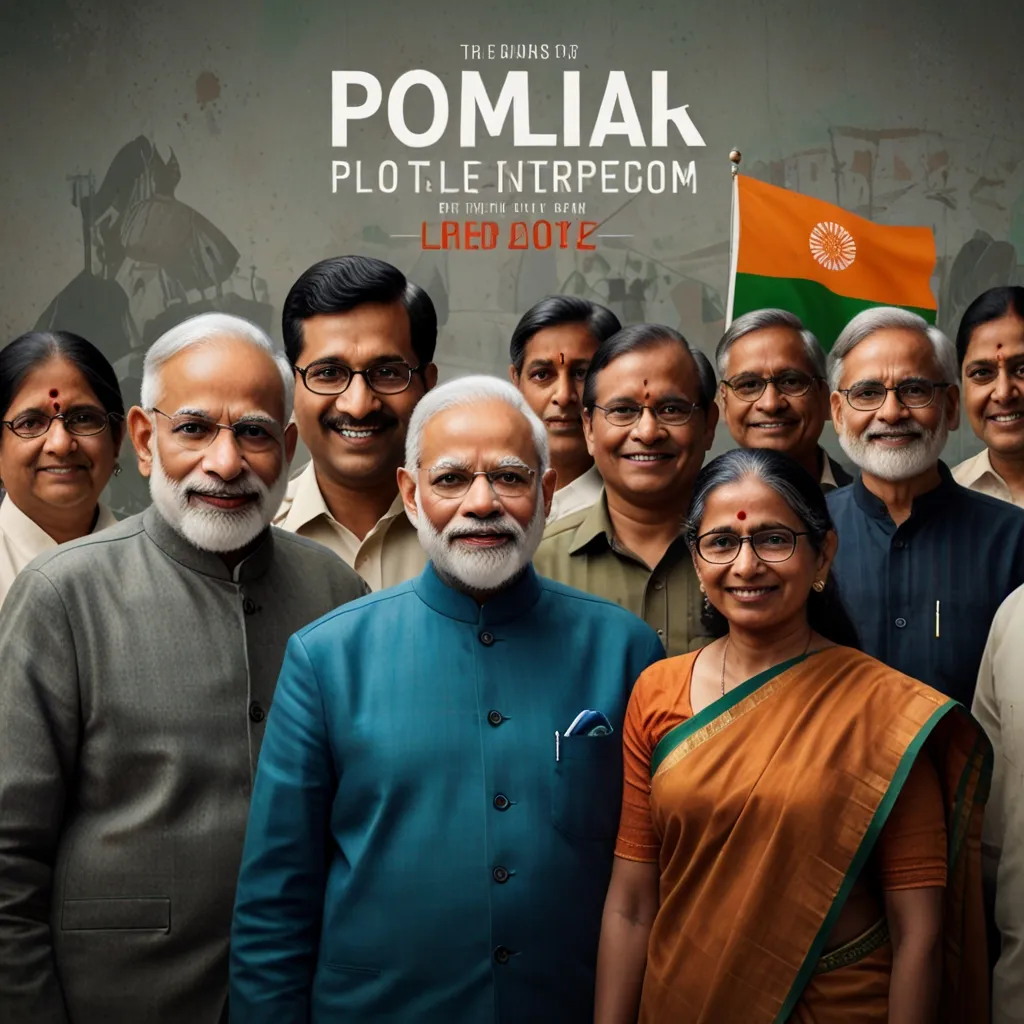
India’s political system has come a long way since gaining independence in 1947. It’s like a rollercoaster from a colonial past to a buzzing democracy.
When India broke free in ‘47, it adopted a political setup inspired by the British Westminster model. The Constituent Assembly, which began its work in 1946, drafted the Constitution that kicked in on January 26, 1950. This document turned India into a democratic republic, letting every adult vote, creating the largest electorate on Earth back then.
But the early post-independence days weren’t smooth. The partition with Pakistan led to chaotic migrations and violence, leaving painful scars which still impact politics today.
Despite these tough beginnings, democracy in India stuck around. Elections happened regularly, starting with the first ones in 1951-52. Jawaharlal Nehru, the first Prime Minister, was key in setting the tone for India’s secular, socialist, and democratic path.
India’s political landscape evolved with different ideologies making their mark. While the Indian National Congress dominated initially, other parties grew over time, mirroring India’s social and economic diversity. Regional parties became significant too, making the political scene more interesting.
Economic policies saw major shifts too. Initially, India leaned towards socialism with heavy regulation. But the big turnaround came with the 1991 economic liberalization, moving towards a market-driven economy. This switch spurred rapid growth, making India one of the fastest-growing economies globally.
Today, India’s politics is a mix of national and regional influences. The Bharatiya Janata Party (BJP), in power since 2014, has rolled out policies focused on economic growth and social welfare. Meanwhile, the opposition, especially the Indian National Congress and various regional parties, keeps the political conversation lively.
Yet, not all is perfect. India grapples with challenges like religious violence, naxalism, and separatist movements. Territorial disputes with China and Pakistan add to the tension. But, these issues also open doors for development and progress. India’s blend of old and new ways in politics makes it a fascinating case of political evolution.
To wrap it up, India’s political journey since independence is nothing short of extraordinary. From setting the ground for democracy in its early years to navigating a complex modern political landscape, India’s ability to adapt is commendable. As it moves forward, India stands as a shining example of democratic endurance in the world.