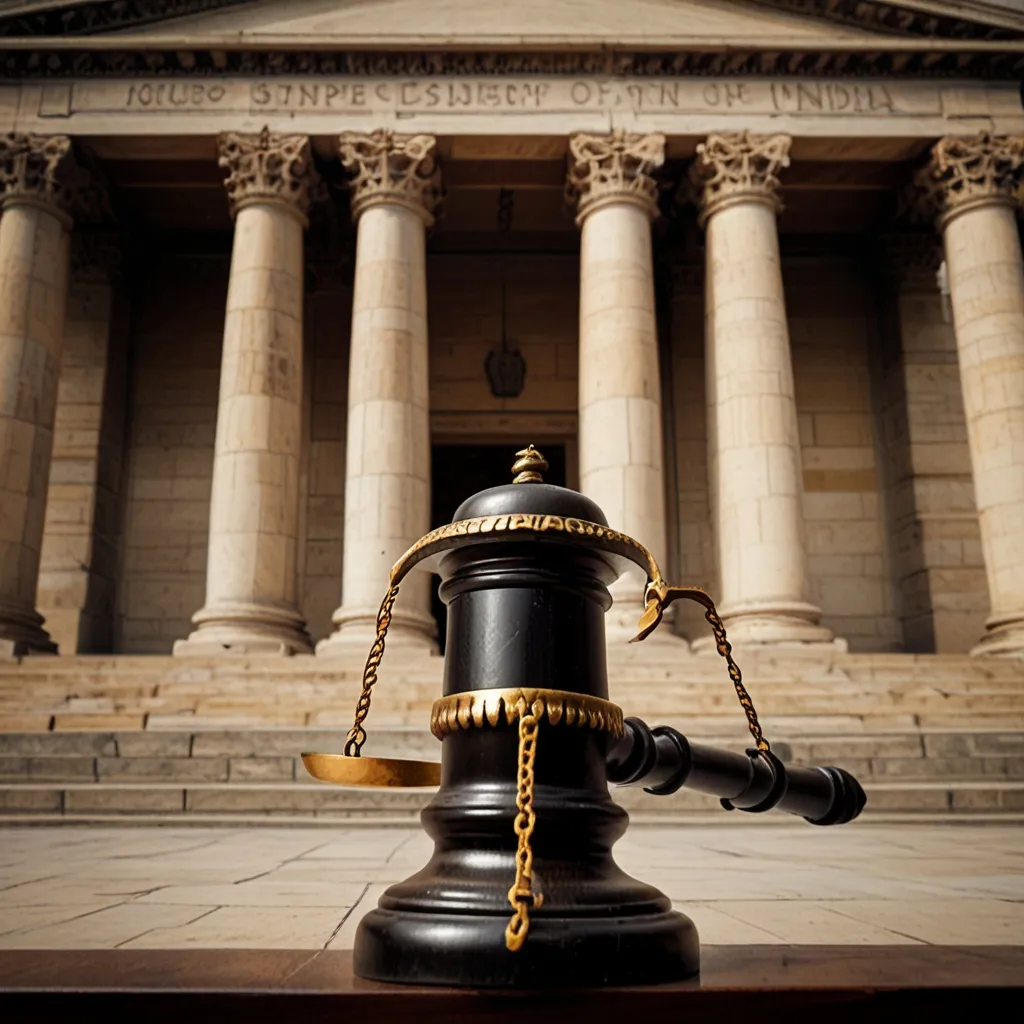
The Supreme Court of India stands tall as the highest judicial body in the country, playing a crucial role in shaping the legal landscape and upholding the rule of law. Its history is tied closely to India’s path to independence and its journey as a democratic nation.
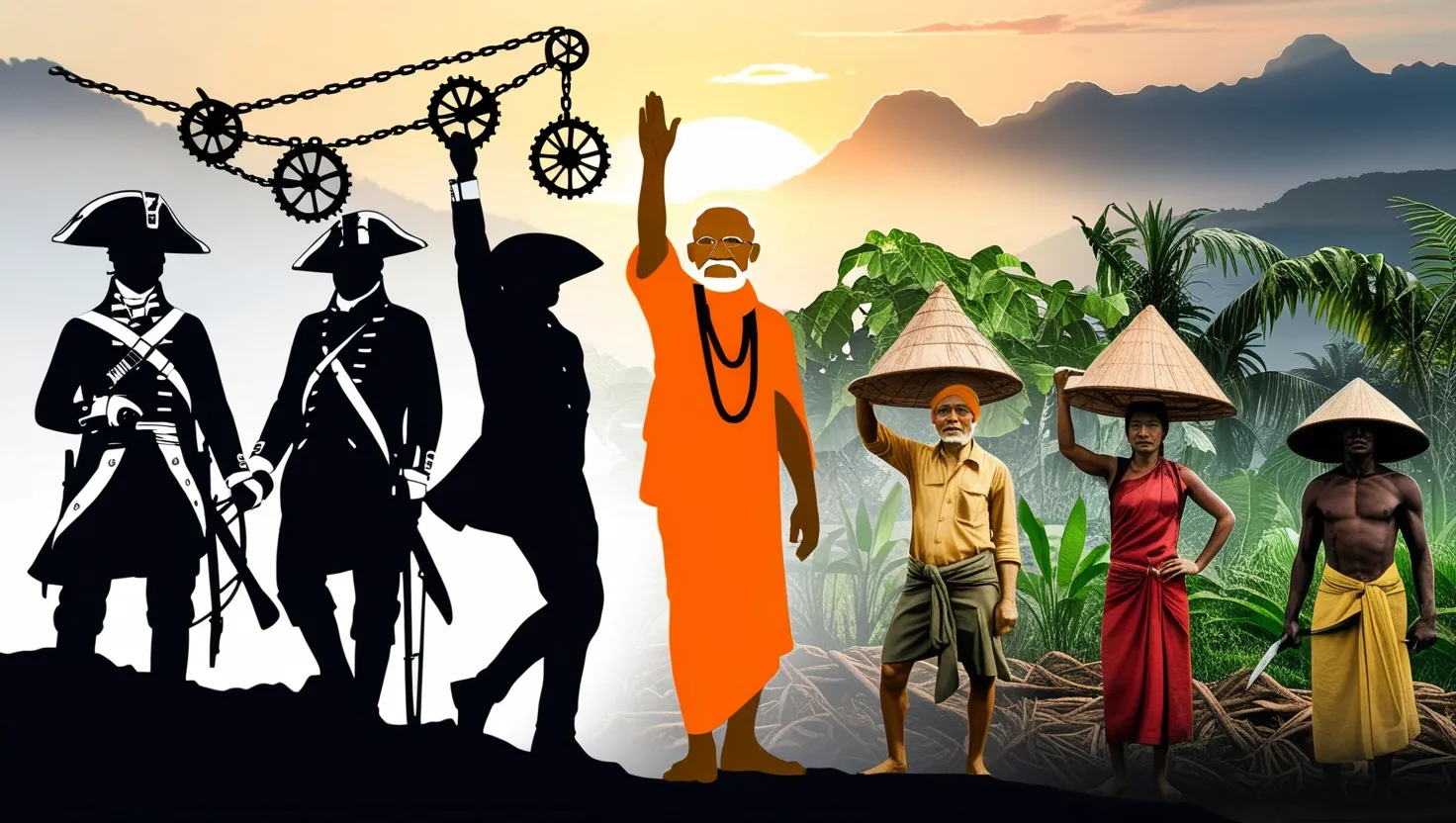
Established on January 28, 1950, coinciding with the enactment of the Indian Constitution, the Supreme Court marked a big shift from the pre-independence days. Before this, the British set up the Federal Court of India in 1937, which had jurisdiction over British India but couldn’t interpret the Constitution. That power was reserved for the Supreme Court.
The Supreme Court is indispensable. As the guardian of the Constitution, it ensures laws and government actions align with the Constitution’s principles. This is key in a democracy, as it checks the powers of the legislative and executive branches of the government.
A significant power of the Supreme Court is its authority to interpret the Constitution. This means it can strike down laws by Parliament or state legislatures if they infringe on citizens’ fundamental rights. This power has been utilized in many landmark cases, influencing the country’s legal and political landscape.
Judicial review is another powerful tool in the Supreme Court’s arsenal. It can assess and invalidate any law or government action deemed unconstitutional. This has protected the rights of citizens and ensured the government doesn’t exceed its constitutional limits. The famous case of Kesavananda Bharati vs. State of Kerala solidified the doctrine of the Constitution’s basic structure, which states that certain fundamental principles can’t be altered by Parliament.
Beyond its constitutional role, the Supreme Court is vital in upholding the rule of law, hearing appeals from lower courts, and delivering justice to the wronged. It’s also taken a proactive stance on social issues, promoting justice and equality. In the Vishaka vs. State of Rajasthan case, the Court laid down guidelines to tackle workplace sexual harassment, which later shaped the Sexual Harassment of Women at Workplace Act, 2013.
The Supreme Court also champions environmental and consumer rights. In M.C. Mehta vs. Union of India, the Court took a tough stand on environmental issues, closing polluting industries and pushing the government to protect the environment. In consumer rights cases, it has protected consumers by ensuring companies compensate for defective products or services.
The Supreme Court’s significance goes beyond law. It’s a symbol of justice and fairness in India, where the rule of law reigns supreme. Its decisions deeply impact society, shape public opinion, and influence policy. It’s a beacon of hope for those seeking justice and a clear reminder that no one is above the law.
In summary, the Supreme Court of India is a bedrock of the country’s legal system, ensuring the Constitution is upheld and justice is served. Its history and importance are intertwined with India’s evolution as a democratic nation, and it plays a vital role in protecting citizens’ rights and promoting the rule of law.