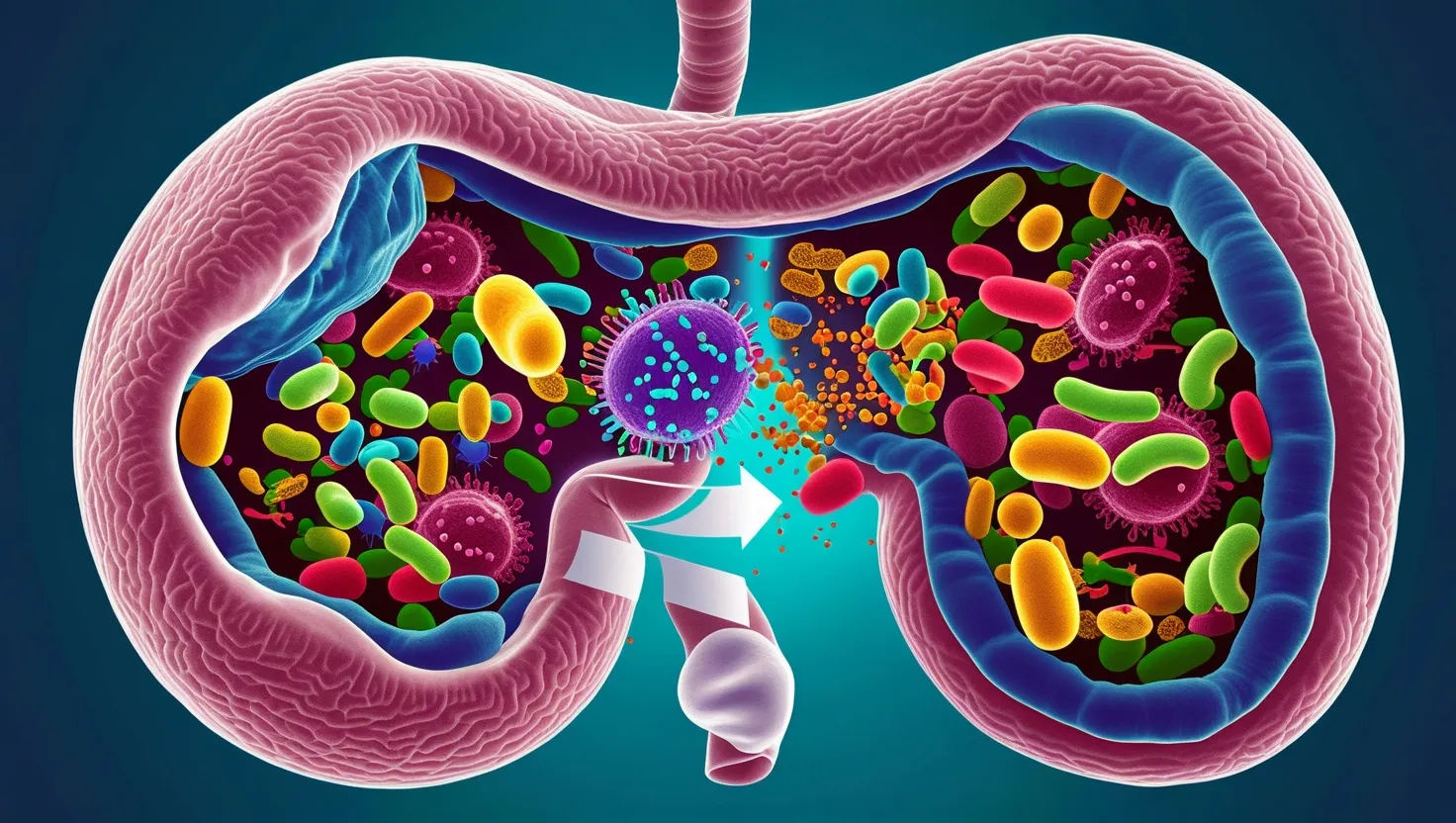
In the intricate dance between our bodies and the microbes that call us home, a revolutionary approach is gaining traction: microbiome transplantation. This method involves transferring beneficial bacteria from healthy donors into individuals suffering from a variety of health issues, from gut disorders to mental health problems and even obesity. Let’s delve into this emerging field and explore how it’s reshaping our understanding of human health and disease.
The Gut Microbiome: A Delicate Ecosystem
Our gut is home to trillions of microorganisms, each playing a crucial role in our overall health. These microbes help in digestion, produce essential vitamins, and even influence our immune system. However, when this delicate balance is disrupted, it can lead to a myriad of health problems. For instance, antibiotics, while effective against harmful bacteria, can also wipe out the beneficial ones, creating an environment where pathogens like Clostridium difficile can thrive.
Fecal Microbiota Transplantation (FMT): A Solution
Fecal microbiota transplantation is a procedure where a sample of stool from a healthy donor is introduced into the gastrointestinal tract of a patient. This method has been proven highly effective in treating recurrent C. difficile infections, which are notoriously resistant to antibiotics. By restoring the balance of the gut microbiome, FMT helps in combating these infections and preventing their recurrence.
But the benefits of FMT extend far beyond just treating C. difficile. Research has shown that it can be a promising treatment for various gastrointestinal disorders, including Crohn’s disease and ulcerative colitis. In a pilot study, patients with Crohn’s disease who received FMT showed a higher rate of steroid-free clinical remission compared to those who received a sham treatment. This suggests that FMT could be a valuable tool in managing these chronic conditions.
Beyond the Gut: Mental Health and Metabolic Disorders
The impact of the gut microbiome on our health is not limited to the gastrointestinal tract. There is a growing body of evidence that suggests a strong link between the gut microbiome and mental health. For example, studies have shown that FMT can improve mood and cognitive function in patients with major depressive disorder (MDD). In one case, two patients with MDD experienced a significant reduction in their depression symptoms after receiving FMT as an add-on therapy.
The gut-brain axis is a complex network of bidirectional communication between the central nervous system and the enteric nervous system of the gastrointestinal tract. This axis is influenced by the microbiota, which produces metabolites and neurotransmitters that can affect mood and cognitive functions. For instance, a study involving a 90-year-old woman with Alzheimer’s dementia showed significant improvement in her cognitive functions after undergoing FMT.
Metabolic Health and Obesity
The gut microbiome also plays a crucial role in metabolic health. Research has indicated that FMT can help regulate blood glucose and blood pressure in patients with type 2 diabetes. In a study, patients who received FMT along with a specific diet showed a decrease in blood lipids, blood glucose, and body mass index. The abundance of beneficial bacteria like Bifidobacterium was correlated with these improvements.
Obesity, another metabolic disorder, is also being explored as a potential target for FMT. By altering the gut microbiota, FMT could help in weight management and improve metabolic profiles. This is an exciting area of research, as it offers a novel approach to tackling the global obesity epidemic.
Challenges and Ethical Considerations
While the potential of FMT is vast, there are several challenges and ethical considerations that need to be addressed. One of the primary concerns is the safety of the procedure. Ensuring that the donor stool is free from pathogens and other harmful microorganisms is crucial. Donors must undergo rigorous screening for diseases such as hepatitis, HIV, and intestinal parasites.
Another challenge is the standardization of the FMT procedure. The method of delivering the fecal microbiota—whether through colonoscopy, enema, or oral capsules—can affect the outcomes. Additionally, the long-term effects of FMT are still being studied, and more research is needed to understand its full implications.
Tailoring Treatments
Each individual’s gut microbiome is unique, much like a fingerprint. This uniqueness poses a challenge in tailoring FMT treatments. What works for one person may not work for another. Personalized medicine approaches are being explored, where the specific composition of the donor microbiota is matched to the recipient’s needs.
Reshaping Our Understanding of Health
The research on microbiome transplantation is not just about treating diseases; it’s about understanding the fundamental relationship between our bodies and the microbes that inhabit them. It highlights the importance of maintaining a healthy gut microbiome and the potential consequences of disrupting this balance.
As we continue to explore this field, we are uncovering new avenues for treatment and prevention. For instance, the link between the gut microbiome and cognitive functions opens up new possibilities for treating neurological disorders. Similarly, the impact on metabolic health suggests that FMT could be a part of a comprehensive approach to managing obesity and diabetes.
The Future of Health
In the future, we might see FMT becoming a mainstream treatment option for a wide range of health conditions. However, this will require more robust clinical trials and a better understanding of the long-term effects. As research advances, we are likely to see more personalized and targeted approaches to microbiome transplantation.
The journey into the world of microbiome transplantation is a fascinating one, filled with potential and promise. It reminds us that our health is intricately linked with the health of the tiny organisms that live within us. By restoring balance to our gut microbiome, we may uncover new ways to heal and prevent diseases, ultimately leading to a healthier and more balanced life.