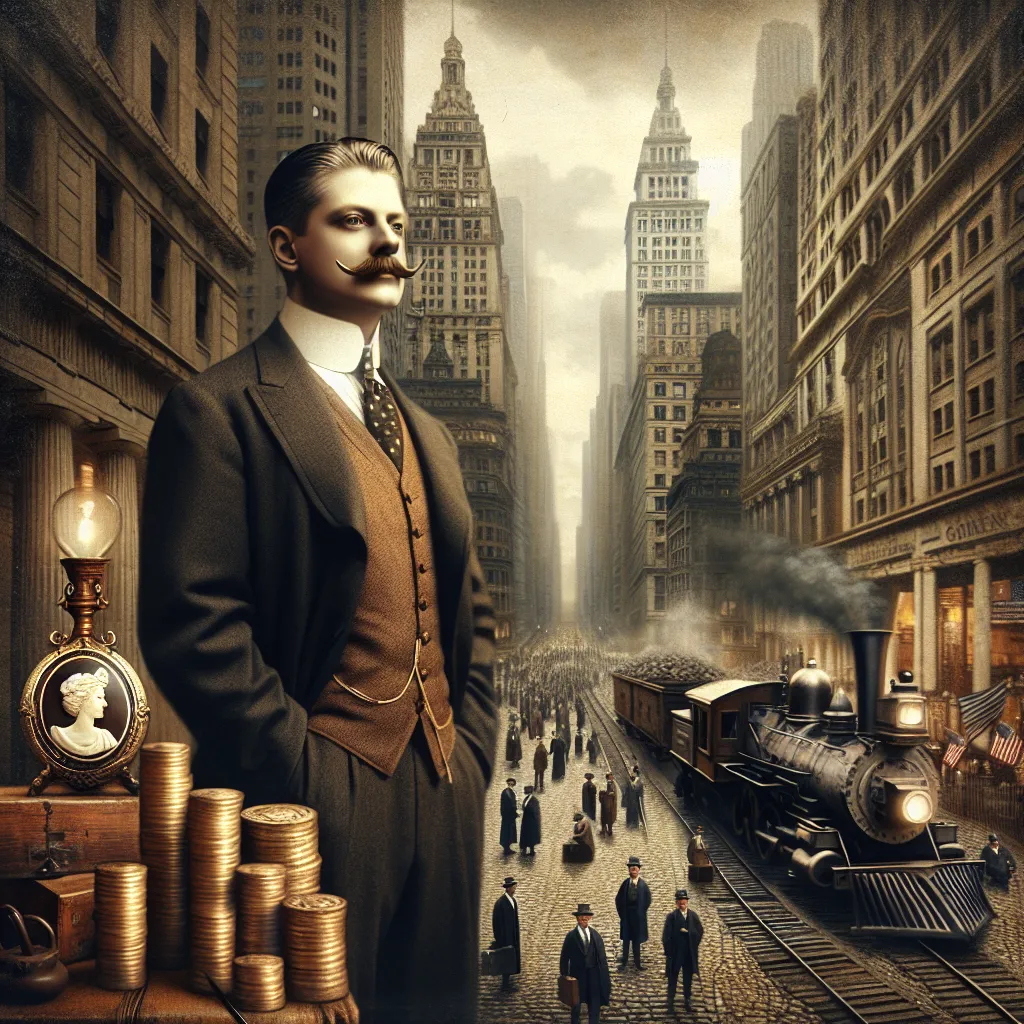
When we think about industrial giants like Carnegie and Rockefeller, it’s easy to focus on their steel and oil empires. But their true fuel was money, and in the late 1800s, no one controlled it better than John Pierpont Morgan. His influence wasn’t just about being rich; he helped shape American finance in ways never seen before.
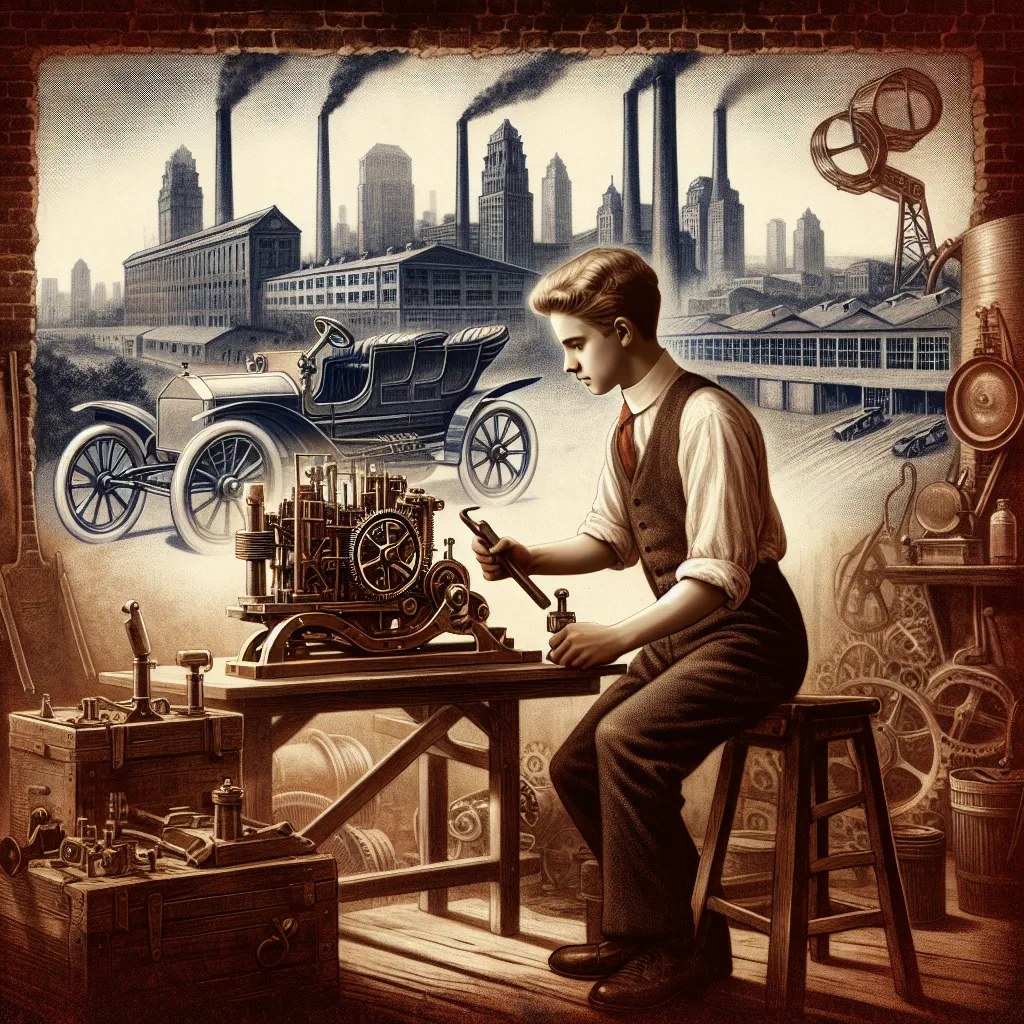
Born on April 17th, 1837, JP Morgan had a privileged start, though not without struggles. A series of childhood illnesses kept him isolated, but it gave him time to study and learn the financial ropes early on. His father, Junius Morgan, a respected banker, played a critical role in shaping Pierpont’s path, always pushing him to match his disciplined and collected style.
At just 17, Pierpont was already sending economic updates from America to his father in London, quickly learning the banking business. Tragedy struck early in his personal life when his beloved first wife, Amelia, succumbed to tuberculosis only months after their wedding. This loss drove Morgan deeper into his work, and soon he was making a name for himself on Wall Street.
Morgan’s shrewdness wasn’t just about amassing wealth; he knew how to turn crises into opportunities. During the Civil War, he profited from trading Union bonds and even orchestrated a controversial rifle deal known as the “Hall Carbine Affair.” Far from being deterred by public outcry or his own father’s conservative admonitions, Morgan continued making bold moves.
One of his most significant contributions was to the railroad industry. He didn’t just invest; he “Morganized”—a term coined for his method of restructuring and controlling companies to make them profitable. This practice marked the beginning of what we now call activist investing.
Morgan’s ability to consolidate and stabilize industries was legendary. Whether fixing the chaotic railroad industry or brokering the Corsair Pact on his yacht, he consistently turned competitive markets into well-oiled machines. Yet, despite his business prowess, Morgan faced ongoing battles with his health and grappled with public scrutiny, especially with his bulbous, deformed nose often becoming a point of ridicule.
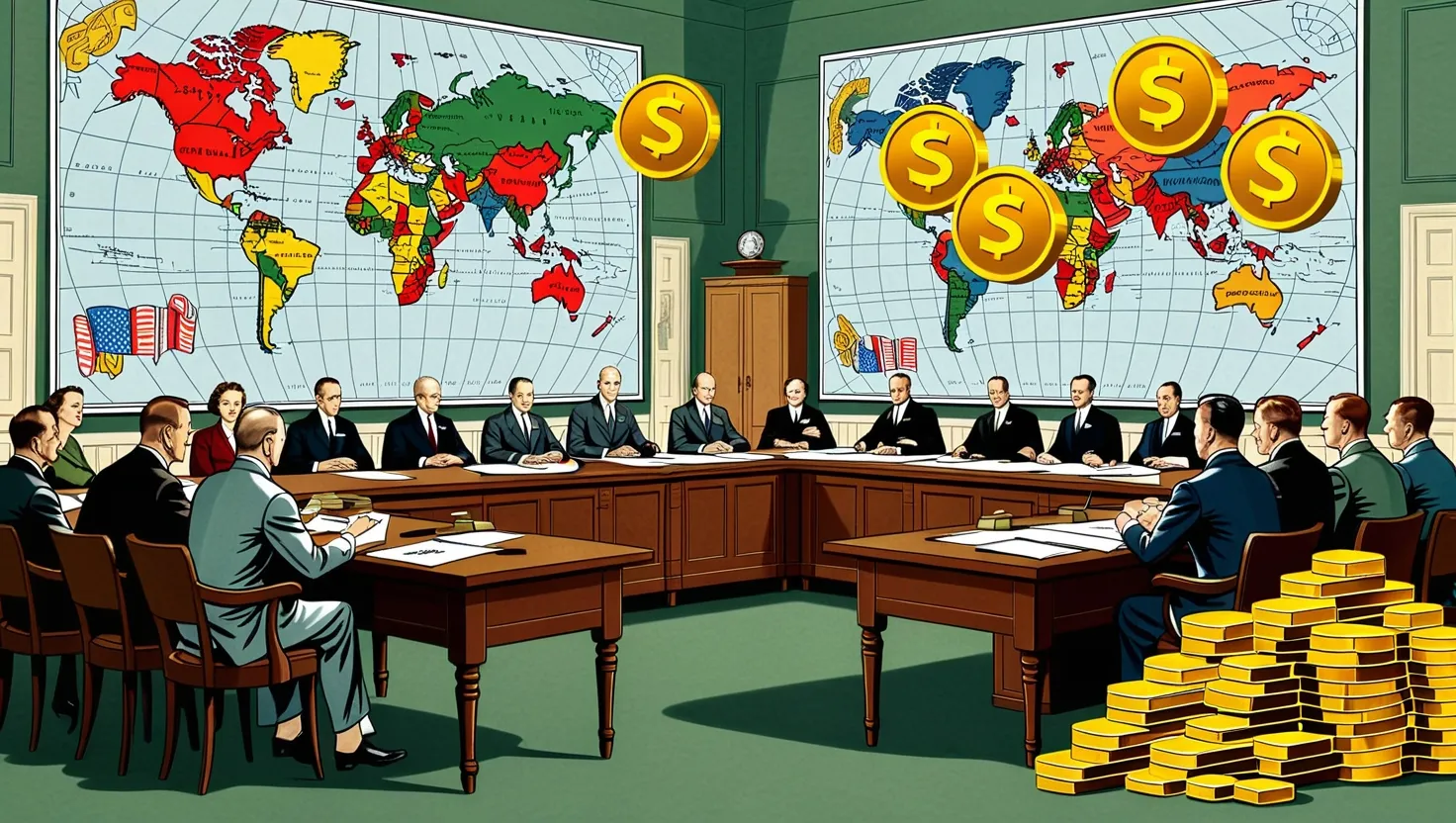
His involvement wasn’t just limited to business. When the U.S. faced economic peril in the Panic of 1893, Morgan basically bailed out the federal government by replenishing its gold reserves, ensuring national stability. He did it again during the 1907 financial panic, showcasing his unmatched ability to steer the country away from economic disaster.
Though Morgan held immense power, it wasn’t always welcomed. President Theodore Roosevelt saw his monopolistic practices as a threat and made efforts to dismantle his corporations using antitrust laws. Despite their clashes, even Roosevelt couldn’t deny Morgan’s capability to stabilize economies.
Morgan continued to wield significant influence until his death in 1913. His legacy extends beyond his financial triumphs; his impressive art collection and public library in New York remain lasting testaments to his impact. JP Morgan’s life leaves us with powerful lessons about ambition, resilience, and influence, standing as a remarkable chapter in American history.