What Was the True Price of Russia's Bold Move on Crimea?
The Hidden Price Tag of Russia’s Bold Geopolitical Gambit
Russia, a country deeply entrenched in the game of geopolitics, made a monumental move in the 21st century with the annexation of Crimea. While Russia’s economy is only slightly bigger than Australia’s, this act underscored its heavyweight status on the global stage. But beyond the headlines and political maneuvers, what’s the real cost of Russia’s expansionism?
Early 2014 was a turning point. Vladimir Putin did the unthinkable: a military campaign against Ukraine. Within a month, Russia had annexed Crimea and plunged Eastern Ukraine into a conflict that persists even today. We often hear about the imposition of Western sanctions in response, but the true cost of Russia’s aggressions is a complex puzzle.
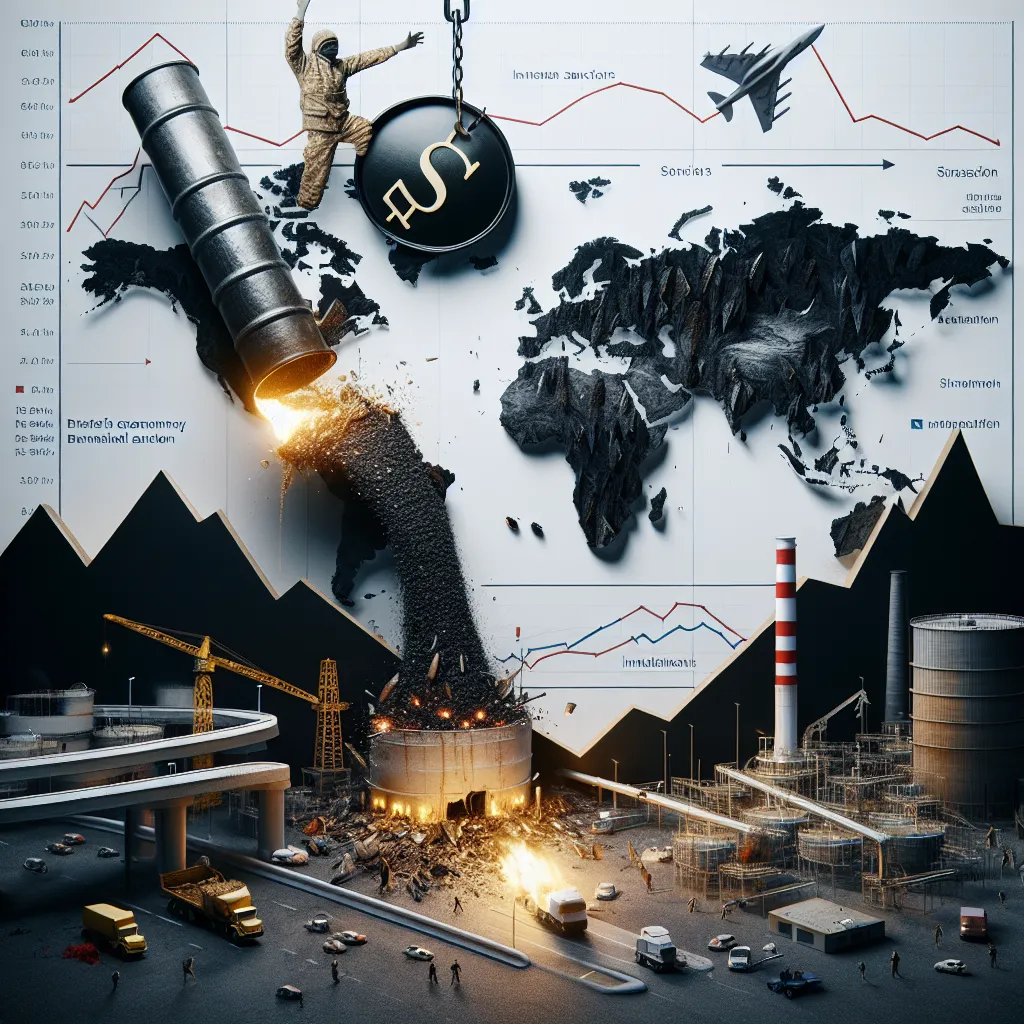
To grasp what Russia paid, let’s first understand its economy. A significant portion of it, about 7% of GDP, stems from oil extraction. It’s not just any 7%—this chunk makes up over half of Russia’s federal budget. When the Ukrainian situation unfolded in February 2014, oil was at $100 per barrel. Yet, by August, oil prices plummeted to $50, a drastic drop attributed largely to the U.S. ramping up its oil production, especially through fracking.
In a typical scenario, oil giants like Saudi Arabia or Iraq might cut production to stabilize prices. But in 2014, that didn’t happen. The Organization of the Petroleum Exporting Countries (OPEC) simply watched as prices nosedived. This fall in oil prices hit Russia hard. Over the next five years, Russia’s economy lost an estimated 4% of its GDP due to oil prices alone. Adding to this economic strain were the Western sanctions, which sliced off another 6% of GDP. Essentially, Russia sacrificed 10% of its economic output for Crimea.
Now, Crimea is strategically vital, but it’s not an economic powerhouse. At the time of annexation, it was Russia’s poorest region. Upgrading Crimea required a hefty investment, about $2 billion per year. These subsidies have improved the region with a $4 billion bridge, a revamped airport, new power plants, and an increased military presence.
While Russia on the whole continues to bear the brunt of Putin’s policies, Crimeans have seen tangible benefits. The broader Russian economy, however, is still clawing its way back to pre-annexation levels. The true cost of Russia’s expansion isn’t just in GDP points but in the long-term economic stability and global standing.
So as Russia treads this challenging path, one can’t help but wonder what Putin’s next moves might be. The intricate dance of geopolitics continues, each step laden with significant economic and social consequences.