What Secrets Lie Behind the Timeless Allure of the Porsche 911?
From Electric Carriage to Iconic Supercar: The Evolution and Resilience of Porsche
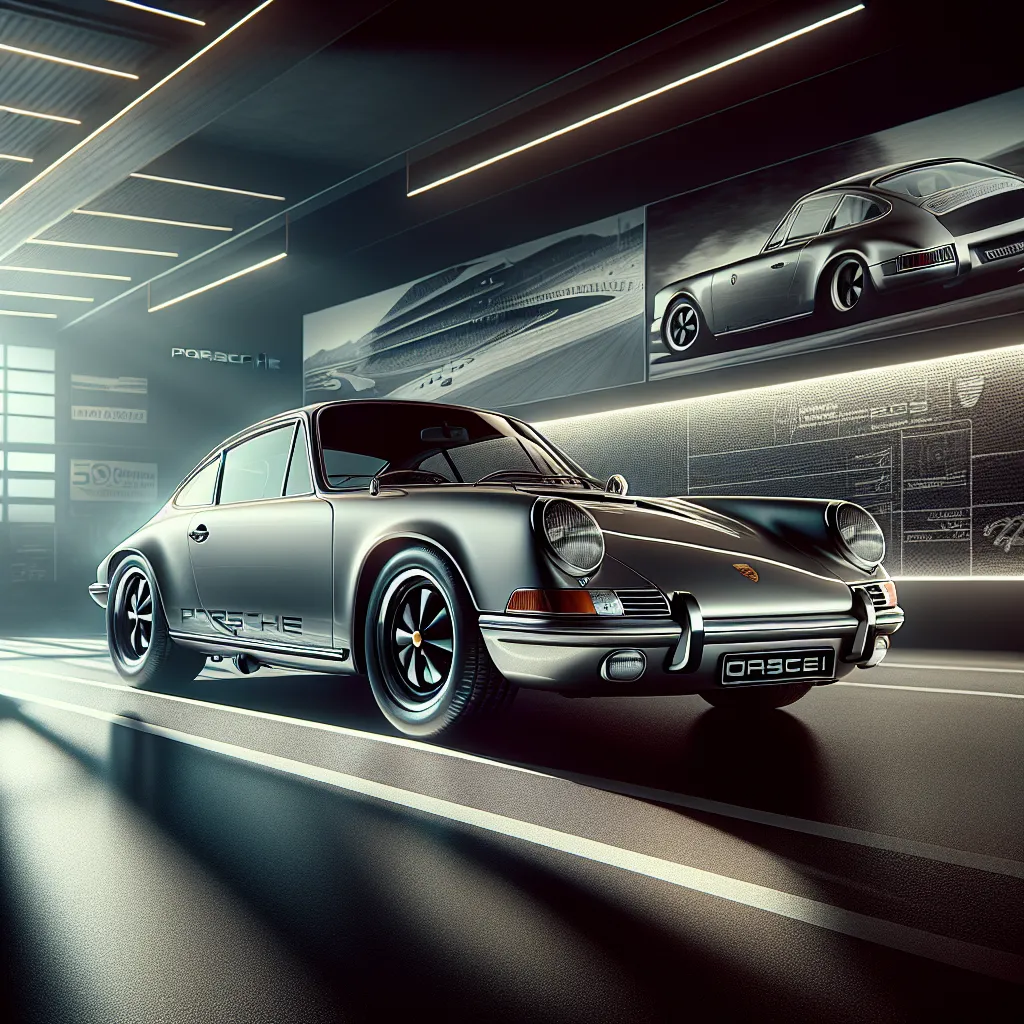
If there’s one car that perfectly embodies the power, beauty, and thrill of sports cars, it’s the Porsche 911. What’s even more impressive is that this has been true for more than 50 years. Let’s dive into the fascinating history of Porsche, one of Germany’s most prestigious car brands.
The story starts in 1875 in a small town called Maffersdorf in the Austrian Empire, now part of the Czech Republic. This is where Ferdinand Porsche was born. From a young age, Ferdinand showed a keen interest in engineering. As a teenager, he spent his days in his father’s repair shop learning vehicle mechanics and attended university at night. His dedication paid off when he designed his first car, the Porsche P1, at the age of 23. This early model was essentially an electric carriage.
Ferdinand didn’t stop there. He went on to create the first-ever hybrid car, combining an electric motor with a combustion engine. This ingenuity earned him a reputation, and he eventually worked as a technical director for Daimler in Stuttgart. There, he designed the iconic Mercedes-Benz SSK, a groundbreaking race car of its era.
By 1931, Ferdinand had saved enough to start his own business. Despite his fame, the struggling German economy in the early 1930s meant few could afford cars. Then, Adolf Hitler became Chancellor and announced ambitious plans for a “people’s car,” a Volkswagen. Hitler enlisted top engineers, including Ferdinand, to make this a reality, leading to the creation of the Beetle.
During World War II, Porsche was involved in military projects, which led to his arrest after the war for war crimes. He was released after a few years, by which time his son, Ferry Porsche, had taken over the company. Ferry was determined to produce cars under the Porsche name and introduced the Porsche 356 in 1948. The model gained widespread popularity after winning the 1951 Le Mans race.
In 1963, Porsche introduced another game-changer: the Porsche 911. This rear-engine, air-cooled beauty had critics raving and quickly became a sensation. It was pricey, but its blend of performance and style won over many enthusiasts. By the 1970s, the 911 was selling in huge numbers, and its multiple variations made it a stellar competition car, dominating various rallies and GT championships.
Fast forward a few decades, Porsche made headlines again in 2002 when it launched the Cayenne, its first SUV and four-door car. Though initially controversial, the Cayenne proved to be a success. Today, it and another SUV, the Macan, dominate Porsche’s sales in America.
Ownership-wise, Porsche is now a part of Volkswagen, but the journey there is a wild tale involving financial maneuvers and near-bankruptcy. In 2005, Porsche executives attempted to take over Volkswagen through a complex and barely legal strategy involving stock options. The plan backfired during the 2008 financial crisis, leading to Porsche’s near-collapse. Ironically, Volkswagen ended up rescuing Porsche.
Porsche’s legacy is a testament to innovation, resilience, and the enduring appeal of smart engineering combined with style. Whether it’s the timeless 911 or the bold move into the SUV market, Porsche continues to captivate car lovers around the world.