What Secret Power Turned a Teen Fabric Delivery Boy into the King of Fashion?
Unveiling Fashion's Hidden Empire: From Humble Beginnings to Global Domination
The fashion industry, often seen as small and inconsequential, is actually a goldmine. Take Zara, for instance. It’s the world’s largest clothes retailer, and its story is as fascinating as it is inspiring.
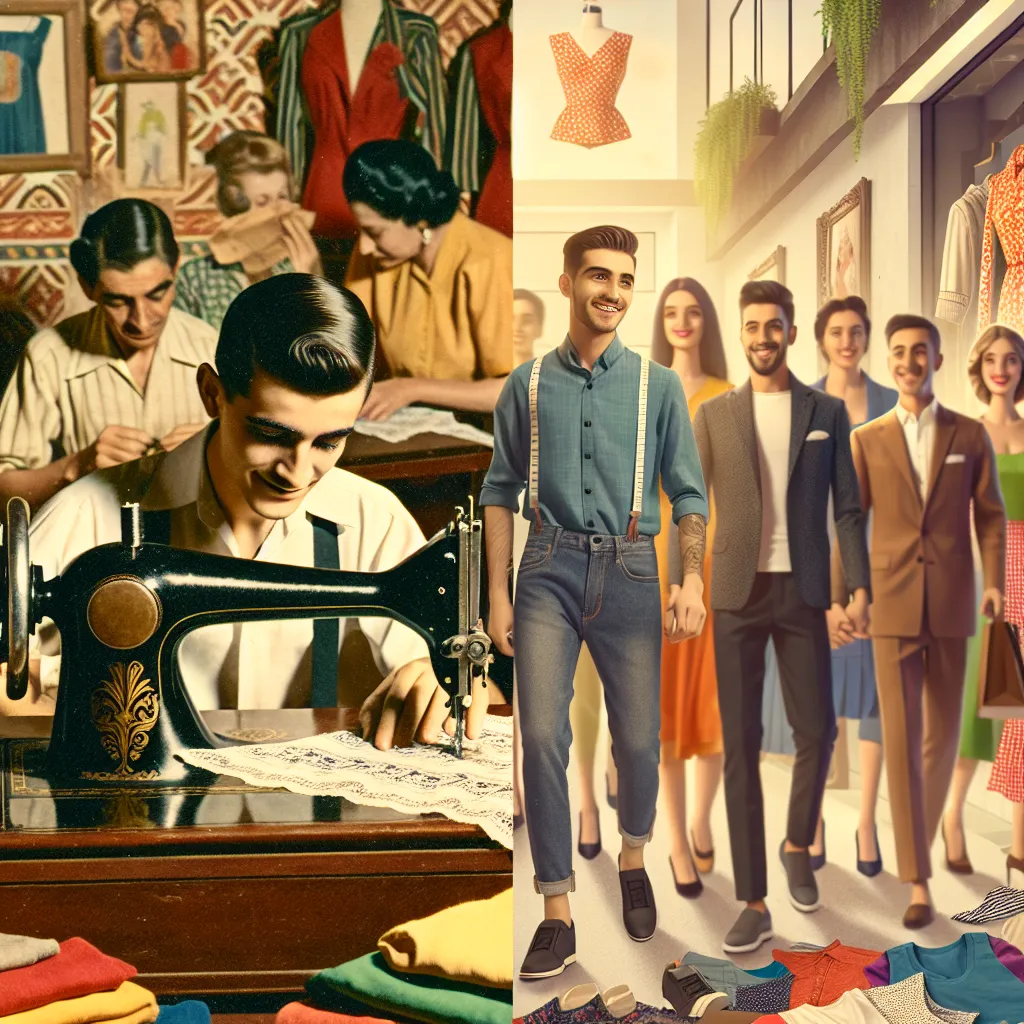
It all began in Spain, 1950. In a quaint coastal city named La Coruña, a young Amancio Ortega, just fourteen, took up his first job delivering fabrics for a local clothing store. He excelled at it, quickly rising through the ranks to become a senior manager by 1960. But Amancio wasn’t content with just managing. He started crafting his designs using leftover materials at his sister’s house, selling nightgowns and lingerie at the retail store.
In 1963, with just $25, Amancio launched his own company, Confecciones Goa, from his home. His family pitched in, and soon, they were supplying stores across La Coruña. As his business grew, Amancio organized women into sewing cooperatives, expanding his reach throughout Spain by the 1960s. Yet, he didn’t launch his brand due to Spain’s restrictive political climate under dictator Francisco Franco.
With Franco’s death in 1975, Spain’s landscape transformed with sweeping reforms. Amancio seized the moment, opening his first retail store in La Coruña, initially wanting to name it Zorba after his favorite movie. A nearby bar with the same name forced a change, and thus, Zara was born.
Zara revolutionized the fashion industry with its unique approach. Unlike traditional retailers, Zara didn’t operate on a seasonal model. Instead, it produced new designs year-round in limited runs, ensuring clothes remained unique and in-demand. Customers eagerly bought items before they sold out, visiting Zara frequently for fresh designs.
Amancio’s control over the entire production process allowed Zara to market new designs in just two weeks, a model now known as ‘fast fashion.’ This strategy catapulted Zara to massive success, leading to rapid expansion across Spain and eventually, the globe. By 1988, Zara opened its first international store in Portugal, followed by New York in 1989 and Paris in 1990. The 1990s saw Zara’s explosive growth with over 550 new stores.
Inditex, the holding company Amancio created in 1985, expanded its portfolio beyond Zara. It launched Pull&Bear in 1991, purchased Massimo Dutti, and later introduced Bershka and Stradivarius. By 2001, Amancio, planning his retirement, took Inditex public, becoming Spain’s wealthiest person. Inditex continued to grow, opening store #2,000 in Hong Kong by 2004 and creating new brands like Oysho and Zara Home.
Even the 2008 financial crisis couldn’t slow down Inditex. They opened store #5,000 in Rome by 2010 and surpassed H&M and GAP to become the largest clothes retailer worldwide. Today, Inditex boasts 7,292 stores across 93 countries. Amancio, worth $67 billion, officially retired in 2011, but Inditex still dominates the fashion industry.
So, the next time you step into a Zara store, remember its humble beginnings and how one man’s vision transformed fashion forever.