Let’s have a talk about what a company’s main responsibility really is. Is it just about making tons of money, or is there more to it? Nowadays, many brands flaunt their eco-friendliness and fair-wage policies. But is all that just a PR stunt?
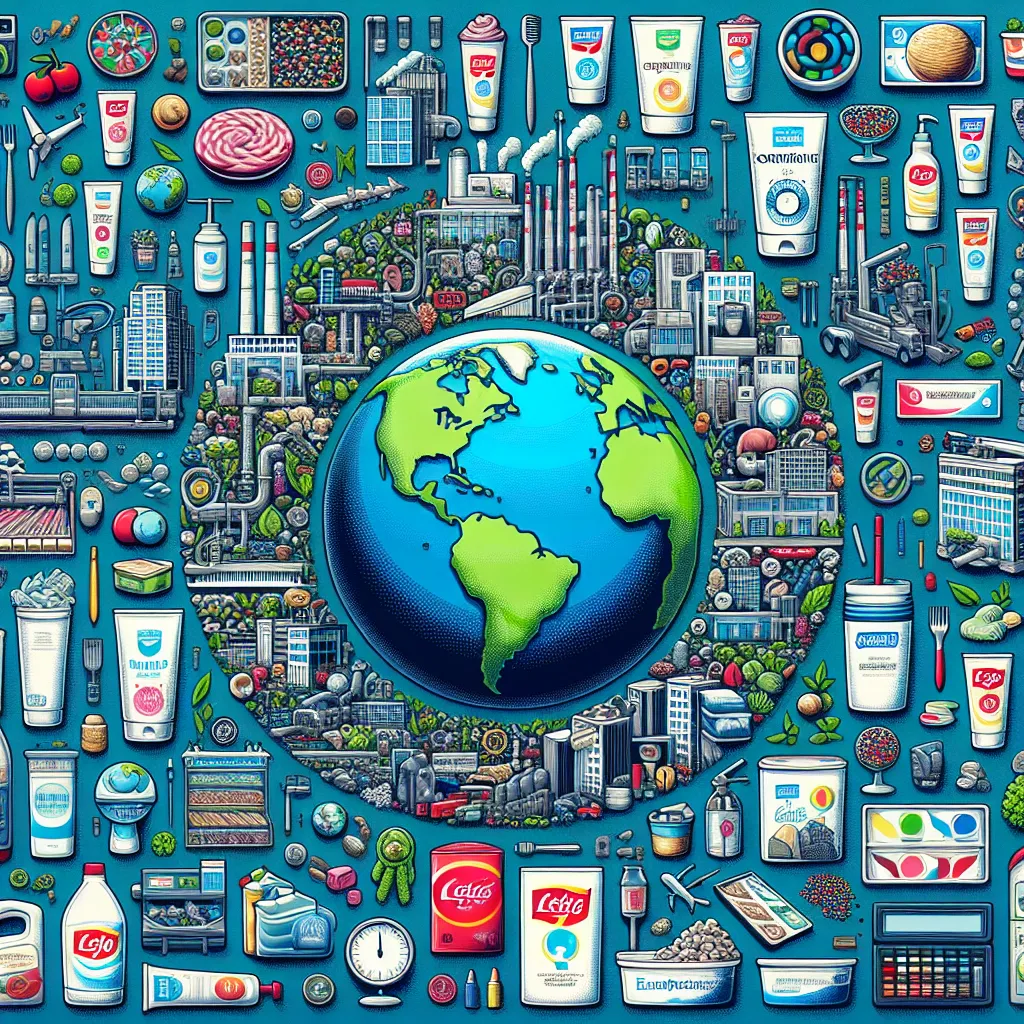
Today, we’re diving into Unilever’s story to find out. This Dutch margarine and British soap giant offers a nearly endless variety of products. In a US supermarket, up to 75% of what’s on sale comes from just 10 companies, including Unilever. Unilever isn’t the largest—that title belongs to Nestle—but they are incredibly diverse. You could use Unilever products from the moment you wake up until you go to bed: from brushing your teeth to having dessert.
Unilever divides its products into four categories: Personal Care, Food, Refreshment, and Home Care. But why are they behind so many different products? Well, it all started with fat. The company formed in 1929 after the merger of Margarine Unie, a Dutch margarine producer, and Lever Brothers, a British soapmaker. Both needed animal fat for their products. This merger helped both companies secure a steady supply of fats.
Interestingly, Unilever isn’t a full legal merger but a joint venture to avoid tax levies. They have Unilever NL in Amsterdam and Unilever PLC in London. They maintain equivalent share values and the same board of directors, operating essentially as one entity.
Unilever launched or acquired many well-known brands early on, gaining a great market presence. By the 1970s, they controlled over 30% of Western Europe’s ice cream market and now sell a quarter of all the ice cream in the world. However, they’ve faced monopoly issues, like when the UK government found them guilty of blocking competition by limiting freezer cabinet rentals to only their products.
Unilever’s history is marred with controversies. They’ve been involved in price-fixing scandals, such as with P&G and Henkel in 2002, leading to hefty fines. The company also has ecological issues, particularly with palm oil, which fuels deforestation in Indonesia. There’s also the case where they poisoned hundreds of Indian workers with mercury, among other wrongdoings.
Enter Paul Polman, who aimed to transform Unilever when he became CEO. His ambitious goals included halving their environmental footprint by 2020 and improving a billion lives, all while doubling sales. Remarkably, he made significant strides, like reducing emissions and waste dramatically. But could a company this large ever be truly sustainable? Problems with ingredients like palm oil and soybeans persist.
While we’ve grown skeptical of big corporations, perhaps Polman is doing the best he can. Improvement, even on a smaller scale, is better than none. However, Unilever is under pressure. Growth is slower than expected, prompting Kraft Heinz to attempt a $143 billion takeover in February 2017, which was rejected. Some shareholders want Polman out, arguing his sustainability focus isn’t profitable enough.
Ultimately, consumers decide with their wallets, expressing their values through purchases. Hopefully, Unilever will make strides that let people feel good about what they buy.