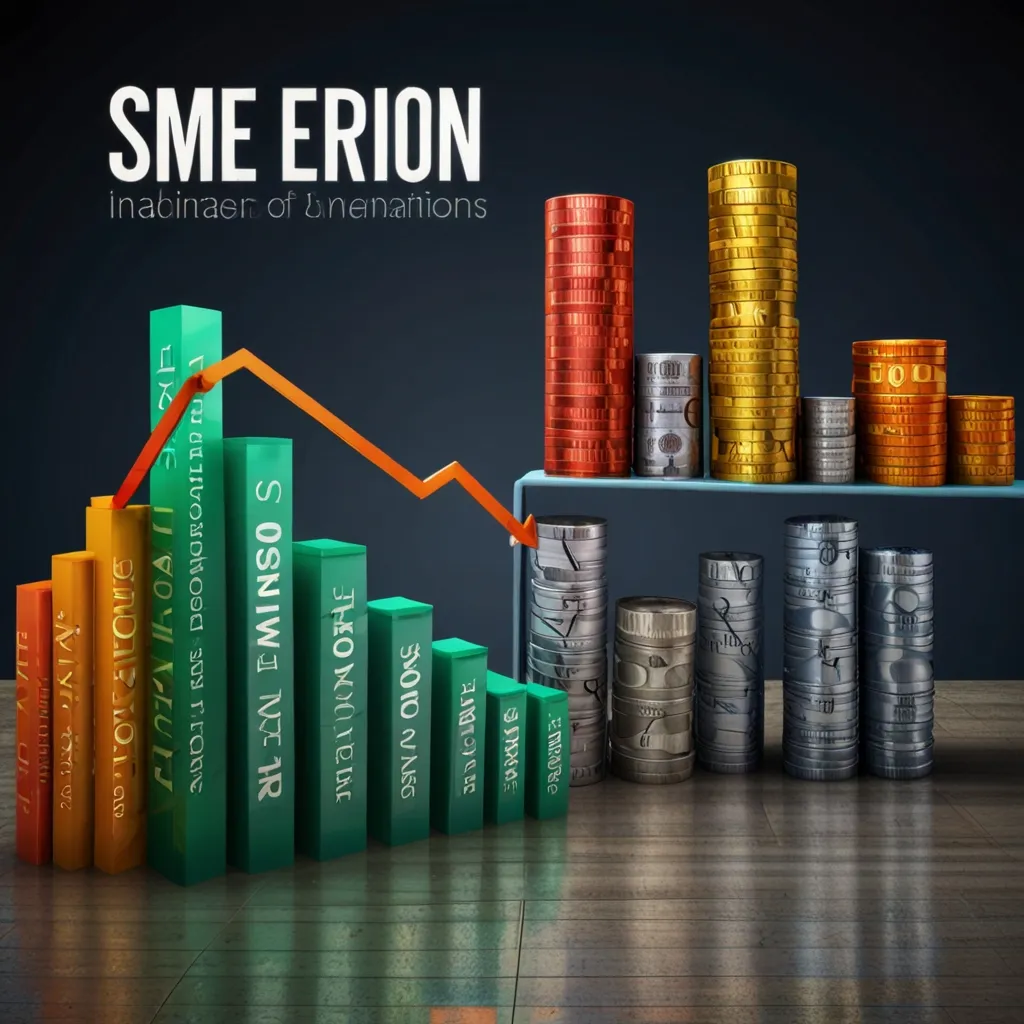
Inflation is like that pesky friend who sneaks up on you during a fun night out and keeps whispering, “Things ain’t as cheap as they used to be.” It’s a basic economic phenomenon where the prices of goods and services keep climbing over time. This rise in prices can mess with your investments, changing their value and returns. Knowing how inflation works and what it does to different types of investments can help you make smarter decisions with your money.
So, what exactly is inflation? It happens when there’s more cash floating around in the economy than there are goods and services. This mismatch leads to price hikes. Think about it this way: if you bought a burger for $2 last year and this year the inflation rate is 10%, you’d need to shell out $2.20 for that same burger. Simply put, your money doesn’t stretch as far as it used to.
Inflation doesn’t just mess with prices; it can also mess with your savings. If your stash is parked in a savings account, inflation can chip away at its real value. Imagine having $10,000 in an account that earns a 2% interest rate. With a 3% inflation rate, your money’s worth actually goes down by 1% each year, even if the amount itself doesn’t change.
Inflation can be even nastier to fixed income investments like bonds and CDs. These investments usually have fixed interest rates, which become less appealing when inflation goes up. For instance, if you have a bond with a 4% interest rate but inflation is at 5%, your real return is actually -1%. Ouch.
Stocks tell a different story. The impact of inflation on stocks depends on the kind of stocks you’re dealing with. Companies that sell essential stuff like food and healthcare usually do okay because they can hike up prices to match inflation. But those expensive growth stocks? Not so much. Inflation reduces the present value of their future earnings, making them less attractive.
Real estate often comes out on top during inflation. As prices go up, the value of property increases too. Landlords can hike rents to keep pace, making these investments more appealing. But if you’re on the hunt for a new home, inflation might make it pricier.
When it comes to precious metals like gold and silver, they tend to shine during high inflation periods. Seen as safe bets, their value usually increases when other investments are taking a hit due to inflation.
Inflation-indexed investments, like Treasury Inflation-Protected Securities (TIPS), are built to combat inflation. These investments adjust their returns based on inflation rates, keeping the real value of your money intact.
To fend off the negative effects of inflation, diversification is your best buddy. Spreading your money across different asset classes—stocks, bonds, real estate, and precious metals—can help maintain your portfolio’s real value. Regular reviews and tweaks to your investment strategy are essential to keep everything aligned with your financial goals.
Planning for inflation means getting ahead of the curve. Invest in assets that historically have done well during inflation, such as real estate and precious metals. Keep an eye on inflation rates and make sure your investment returns are at least keeping up.
At the end of the day, inflation is just part of the economic cycle. Understanding its effects on your investments is crucial for keeping your financial health in check. By diversifying and picking investments that perform well during inflation, you can guard your savings and investments from inflation’s sneaky ways.