Chances are, you’re reading this on an Android device. That’s no surprise because around 72% of smartphones today run on Android. Let’s dive into the story of how this powerful part of Google’s empire came to be.
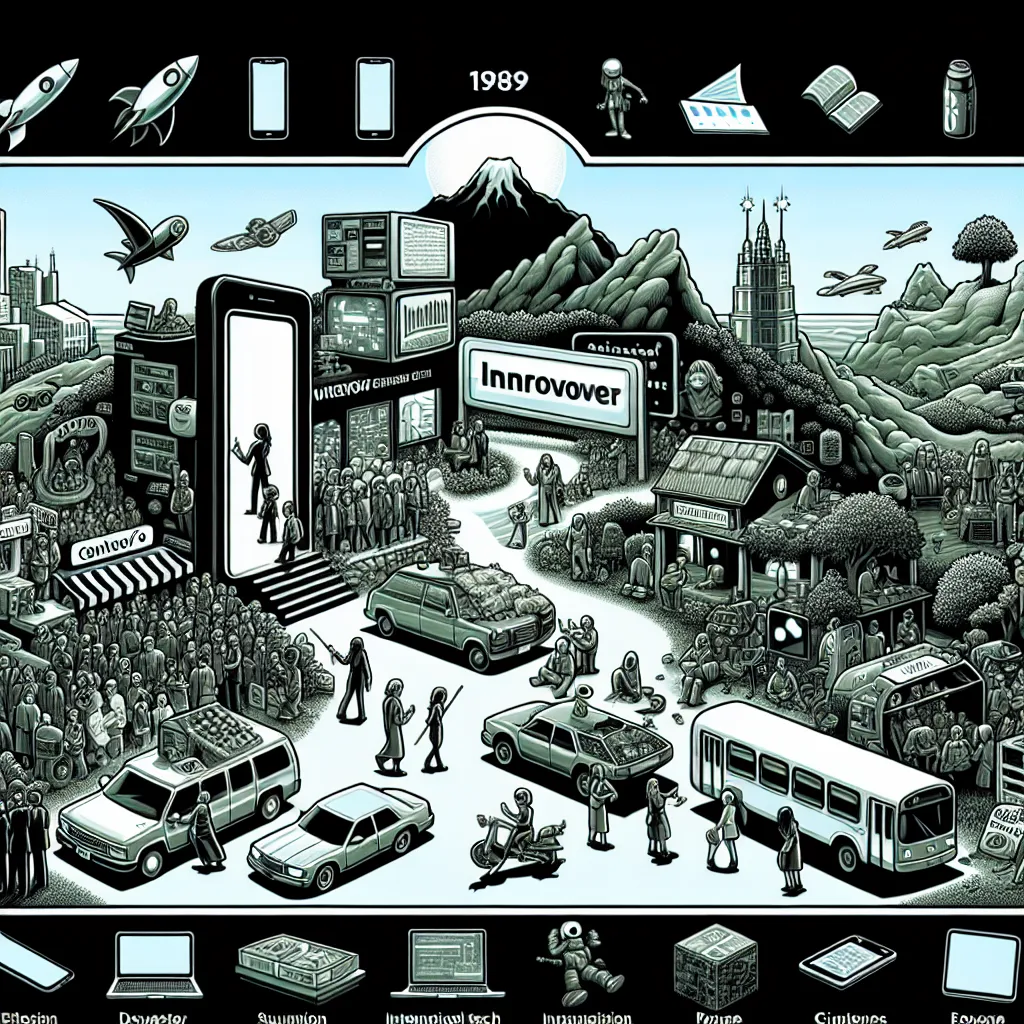
The roots of Android go back further than you might think—way back to 1989. It all started in the Cayman Islands, not Silicon Valley. Andy Rubin, a robotics engineer, was vacationing there. An encounter with a homeless software engineer from Apple, who he helped out, landed him a job at Apple. At Apple, Andy contributed to the development of the Macintosh Quadra and later joined General Magic, a company working on an early version of the modern smartphone.
Andy had a knack for creating gadgets on the side, earning him the nickname “Android.” Working alongside Tony Fadell, who later invented the iPod and iPhone, Andy’s passion for smartphones persisted even after General Magic folded. In 1999, he and his team launched their own company, Danger Inc, which developed the Hiptop. This device had a keyboard and could access the internet, targeted at teens. However, getting carriers to buy into this innovation was tough, and they were forced to strike a bad deal with T-Mobile. The phone was released as the T-Mobile Sidekick but didn’t achieve wide success.
One of the Sidekick’s users was Larry Page, the co-founder of Google. Back in 2002, Google wasn’t the giant it is today. Larry saw potential in smartphones and wanted Google to jump in. But carrier monopolies made it impossible. Andy, undeterred, found a way around this by proposing a free, open-source software model that would earn money via carrier service fees, not hardware sales.
In 2004, Andy formed Android Inc., and Google swiftly acquired it in 2005 for $50 million, even though Android was still in its infancy. Andy and his team developed the operating system further, and by 2007 they needed a phone and a carrier to launch it. The game changed when Apple unveiled the iPhone, prompting Google to rethink its strategy and fully integrate touchscreen functionality.
Despite the iPhone’s runaway success, Android managed to find its footing. Steve Jobs’ exclusive deal with AT&T made other carriers uneasy, opening the door for Android. They finally caught a break with the Motorola Droid in 2009, marketed heavily by Verizon as an iPhone alternative.
By 2010, Android had surpassed iOS in market share and became the world’s leading mobile operating system, a title it still holds. Andy Rubin, who led Android through its formative years, left Google in 2014. He now runs his incubator and a smartphone company, Essential.
Today, Android is more than just an operating system for phones and tablets. It’s everywhere—from cars to smartwatches, TVs, and even VR headsets. The latest release, Android 8.0 Oreo, is packed with improved features and hints at an even more integrated future.
Android’s journey from a small startup to a market leader is a testament to innovation and persistence. Its inclusive, open-source model helped topple tech giants, and it shows no signs of slowing down.