Did You Know PayPal Was Born From a Dot-Com Wild Ride?
From Sea Shells to Cyber Wallets: The Epic Journey of PayPal
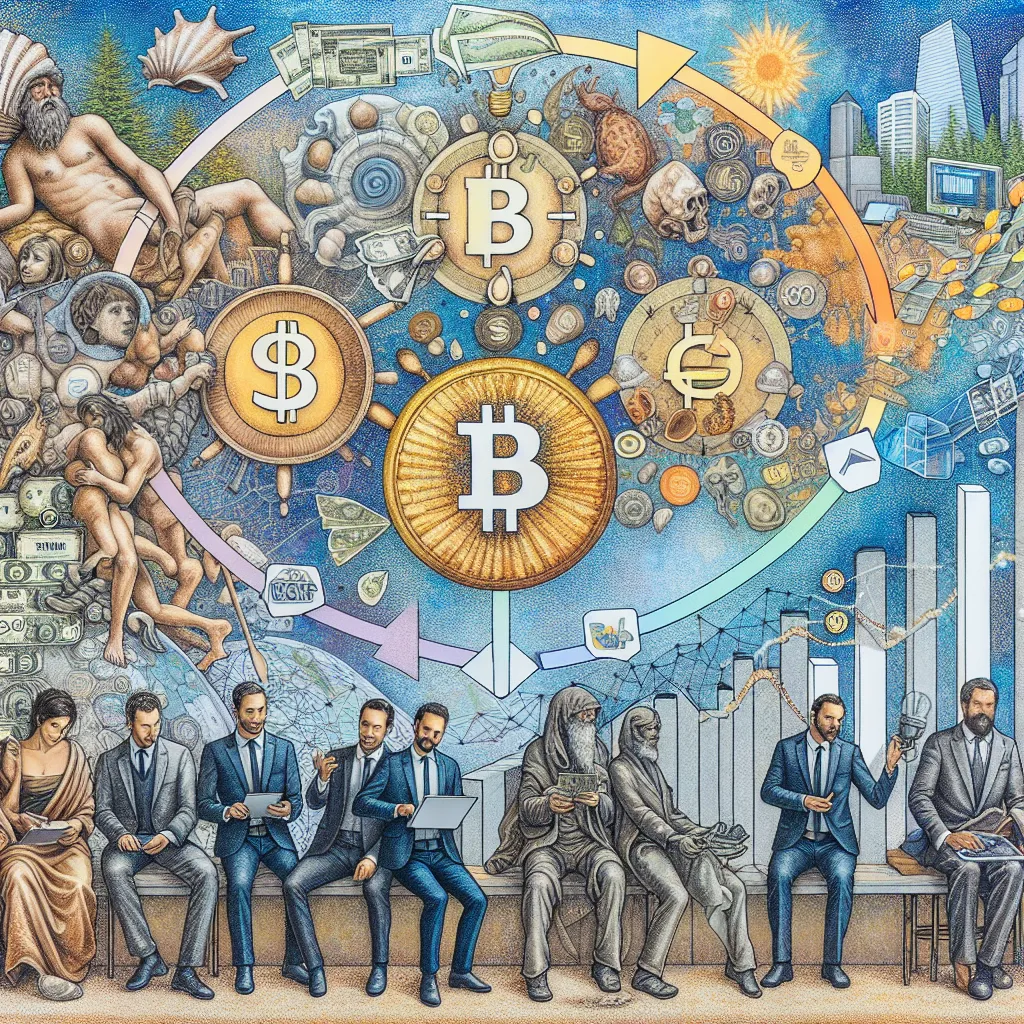
For most of human history, currency was rudimentary, like sea shells or coins made of precious metals. Flash forward to today’s digital world, attempting to use such methods now would be laughable. Enter PayPal, a company that makes modern financial transactions effortless.
In 1998, amid the dot-com boom, tech-minded individuals raced to exploit the Internet’s burgeoning potential. Among them was Max Levchin, a fresh computer science graduate, who met Peter Thiel, a lawyer-turned-venture capitalist. They envisioned a universal payment platform that could simplify transactions from big businesses to personal friends. Their first attempt, Fieldlink, utilized PDAs as digital wallets. Yet, due to the limited user base of PDAs, Fieldlink quickly fizzled out.
Undeterred, they pivoted to the Internet, which was rapidly growing. Reincorporating as Confinity with $3 million in funding, they launched PayPal. The service was easy to use: send money through email linked to your credit card. PayPal’s growth exploded when the duo incentivized sign-ups, handing out $10 for new accounts and referrals.
Three months in, PayPal had 12,000 users. The real game-changer was its integration with eBay, which desperately needed a better payment solution than checks or money orders. PayPal became the go-to method for eBay auctions, swiftly beating eBay’s own payment system.
Around the same time, Elon Musk’s X.com, another online payment startup, became PayPal’s rival. After a fierce competition, a merger in March 2000 fused the companies, creating a stronger entity just as the dot-com bubble burst. This merger was vital for their survival, helping PayPal accumulate over 2.5 million users by the end of 2000.
As PayPal continued to grow, by 2001 it boasted nearly 13 million users. After a successful IPO in February 2002, eBay bought PayPal for $1.5 billion. Despite significant changes and the departure of the original PayPal team, the company flourished, expanding to 55 countries by 2006 and 100 million users by 2011.
However, rapid growth brought challenges. PayPal struggled with fraud and privacy complications. Their aggressive anti-fraud measures caused account freezes and consumer frustrations due to restrictive terms of service.
Despite these issues, PayPal’s popularity remained undiminished, and it separated from eBay in 2014. By March 2017, it hit 200 million users. Over the past decade, PayPal acquired several companies to bolster its services and remains the largest online payment platform worldwide. Its One Touch feature epitomizes the convenience that keeps attracting users.
Today, PayPal, listed on the Fortune 500, operates almost like a bank, solidifying its position in the financial ecosystem. Though not without flaws, its convenience and widespread use suggest it’s here to stay, perhaps even too big to fail.